
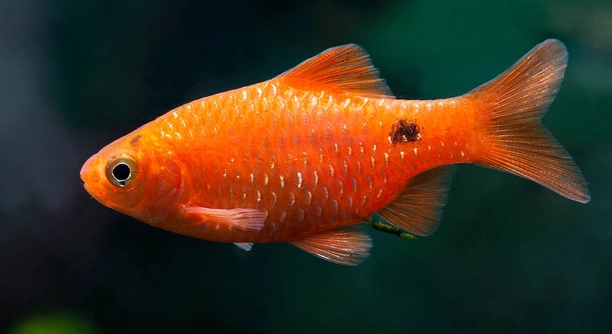
Are your Rosy Barbs acting shy or stressed after being introduced to a new tank environment with unfamiliar surroundings and water conditions?
Rosy Barbs adapt to a new tank by gradually exploring the space, adjusting to water parameters, and responding to consistent lighting and feeding routines. Their behavior stabilizes as they grow familiar with their environment and tank mates.
Each adjustment plays a role in how smoothly your Rosy Barbs settle in, making it important to understand these subtle yet significant changes.
Exploring Their New Surroundings
When Rosy Barbs enter a new tank, they often begin by cautiously swimming around the perimeter. This helps them assess the layout, locate hiding spots, and figure out where to feed or rest. During this time, it’s important to keep tank lights moderate and avoid sudden disturbances. A stable environment allows them to feel less exposed, especially if you’ve just transferred them from a pet store or another tank. Adding plants or simple decorations can offer both security and comfort. These fish are naturally active, but they need time to build confidence in a new space. If the tank is too bright or lacks structure, they may hover at the bottom or stay still. Maintaining calm, consistent conditions helps them get comfortable. You’ll start noticing more movement and interest in their surroundings as they adjust. This stage often takes a few days, depending on how different the new tank is from their previous one.
They rely heavily on visual cues and familiar objects, so minor changes in layout can slow down their comfort levels.
Keep an eye on their swimming patterns. If they start darting around with ease, it’s a good sign they’re adjusting well to the new environment.
Reacting to Water Changes
Rosy Barbs are sensitive to sudden changes in temperature, pH, and water hardness, especially when introduced to a tank with different water chemistry.
The shift in water parameters can impact their behavior right away. If the new tank has much colder or warmer water than what they were used to, you might notice slower movement or signs of stress. Matching the water temperature before transfer is a small but important step. A slow drip acclimation method works best, giving them time to adjust without shock. Stable pH and hardness levels are also important, as inconsistent parameters can suppress their immune response and increase the chance of illness. Test your water regularly in the first week, especially after feeding or topping off. Avoid large water changes in the early stages, as this can further disrupt the balance they’re trying to establish. Aim for consistency more than perfection. Once the conditions remain steady, Rosy Barbs tend to return to their normal activity levels quickly.
Finding Comfort in a Group
Rosy Barbs feel safer and adjust faster when they are kept in small groups of at least five. Being surrounded by their kind helps lower stress and encourages them to swim more naturally around the tank.
If introduced alone or in pairs, Rosy Barbs may show signs of nervous behavior, like hiding or darting unpredictably. When kept in a group, they establish a calm social structure that helps them feel more secure. The presence of other barbs gives them confidence to explore, eat regularly, and interact more. This social dynamic plays a key role in how quickly they settle into their new tank. Choose group sizes that match the tank’s capacity, making sure there’s enough room for swimming and resting. Grouping also reduces aggression, as their focus shifts to natural shoaling instead of territorial behavior. A calm group can lead to better color, activity, and overall health in the long run.
Make sure the tank setup supports group behavior. Provide open swimming areas, visual breaks, and enough food to prevent competition. Observe them daily to ensure no single fish is being bullied or left out. Keeping a balanced group size promotes harmony and helps them build familiarity with their new space faster.
Establishing a Feeding Routine
Feeding routines help Rosy Barbs adjust to a new tank by offering consistency. Providing meals at the same times each day builds trust and helps reduce nervous behavior related to unfamiliar surroundings.
In a new tank, Rosy Barbs may not eat right away. Skipping a meal or two is normal while they get used to their environment. Offering small amounts of high-quality flakes or pellets once or twice daily works well. Avoid overfeeding, especially in the first week. Leftover food can disturb water quality, which affects their health and slows their adjustment. They’ll start recognizing feeding times, and you’ll notice them becoming more active around those periods. This is a positive sign that they are settling in. Stick to a simple schedule and watch how they respond. Once they associate your presence with food, their confidence builds. Feeding also gives you a chance to check for any signs of illness or stress, making it a valuable routine.
Adjusting to Lighting Changes
Rosy Barbs respond best to a consistent light schedule. Sudden or irregular lighting can make them feel exposed and stressed. Use a timer to maintain regular lighting periods of 8–10 hours per day to help them settle.
Avoid bright lights immediately after introducing them. Gradual lighting changes reduce stress and support natural behavior. Use plants or decorations to create shaded areas where they can retreat if needed.
Responding to Tank Mates
When new tank mates are present, Rosy Barbs may become cautious at first. They often observe other fish closely before becoming more active. Choose peaceful tank mates that won’t chase or nip at them. Monitor their behavior for signs of tension, like fin clamping or hiding. Allow time for social balance.
Settling into a Routine
Once patterns are in place—feeding, lighting, and social interaction—Rosy Barbs become more confident. Predictability helps them relax and encourages natural behaviors like shoaling and foraging.
How long does it take for Rosy Barbs to adjust to a new tank?
Rosy Barbs usually take about one to two weeks to fully adjust to a new tank. During this period, they may behave nervously or hide more often. This adjustment time depends on factors like water quality, tank setup, and the presence of other fish. Maintaining stable water parameters and a calm environment helps speed up their adaptation.
What water conditions are best for Rosy Barbs?
Rosy Barbs prefer water temperatures between 72°F and 78°F (22°C–26°C), with a pH level around 6.5 to 7.5. Moderate hardness is suitable, but they are somewhat adaptable. Avoid sudden changes in water chemistry, as this can stress them. Regular water testing during the first weeks is important to ensure stable conditions.
Can Rosy Barbs live with other fish?
Yes, Rosy Barbs are generally peaceful and do well with other community fish of similar size and temperament. Avoid aggressive or fin-nipping species, as Rosy Barbs can be targets. Ideal tank mates include tetras, danios, and other small schooling fish. Always watch interactions closely after introducing new fish.
Why do Rosy Barbs hide after being moved?
Hiding is a natural response to stress caused by a new environment. Rosy Barbs need time to feel safe. Providing plants and decorations offers shelter, which encourages them to explore gradually. Over time, as they grow comfortable, hiding decreases and their activity levels increase.
How often should I feed Rosy Barbs during adjustment?
Feed small amounts once or twice daily. Overfeeding can worsen water quality, increasing stress. During adjustment, they may eat less, which is normal. Offer high-quality flakes, pellets, or occasional live foods. Monitor their appetite and adjust feeding amounts accordingly.
What signs indicate that Rosy Barbs are stressed?
Signs of stress include hiding, clamped fins, rapid breathing, loss of color, and reduced appetite. Erratic swimming or lethargy can also be symptoms. Stress can make them more vulnerable to disease, so addressing tank conditions and minimizing disturbances is essential.
Is it necessary to quarantine Rosy Barbs before adding them to a new tank?
Quarantining new fish is recommended to prevent the spread of illness. A separate tank for at least two weeks helps identify any health issues before introducing them to the main tank. This step protects both new and existing fish populations.
How does lighting affect Rosy Barbs’ behavior?
Consistent lighting supports their natural rhythms. Sudden bright lights can cause stress or hide behavior. Providing a balanced light schedule with shaded areas creates a comfortable environment. Timers are useful for maintaining a steady routine that mimics natural day and night cycles.
What should I do if Rosy Barbs show aggression?
Aggression is rare but can occur if the tank is overcrowded or lacks hiding spaces. Increasing the number of Rosy Barbs can reduce bullying by spreading aggression. Ensure the tank has enough space and decorations to break sight lines. If aggression continues, separate aggressive individuals.
Can stress from tank changes lead to illness?
Yes, stress weakens the immune system and can make Rosy Barbs susceptible to infections like ich or fin rot. Maintaining good water quality, proper feeding, and stable conditions helps prevent disease. Early detection and treatment improve recovery chances.
How important is tank size for Rosy Barbs’ adaptation?
A tank size of at least 20 gallons is recommended for a small group. More space allows for natural swimming and reduces stress. Overcrowding causes competition and aggression, slowing adjustment. Providing ample room and proper filtration supports healthy behavior and growth.
Do Rosy Barbs need plants in their new tank?
Plants provide shelter and visual barriers that help Rosy Barbs feel secure. They also improve water quality by absorbing nitrates. Live plants are ideal, but artificial ones can work if placed properly. Having a balance between open swimming areas and plant cover benefits their comfort.
What is the best way to introduce Rosy Barbs to a new tank?
Acclimate them slowly by floating the sealed bag in the tank to equalize temperature. Gradually add small amounts of tank water to the bag over 30–60 minutes. This helps prevent shock from water differences. After acclimation, gently release them and avoid feeding for a few hours.
How do I know when Rosy Barbs have fully adjusted?
Fully adjusted Rosy Barbs swim actively, display bright colors, eat regularly, and interact with tank mates. They stop hiding and explore their environment confidently. Consistent, calm behavior over several days signals successful adaptation.
What role does water filtration play in their adaptation?
Good filtration maintains water clarity and removes toxins, creating a stable environment. Clean water reduces stress and supports health during adaptation. Avoid strong currents that may tire Rosy Barbs, choosing filters with adjustable flow if possible.
Are there any special care tips for newly introduced Rosy Barbs?
Keep noise and movement around the tank low to avoid startling them. Maintain steady temperatures and avoid sudden changes. Regularly check water quality and observe fish behavior closely for early signs of stress or illness. Providing routine care creates a supportive environment for them to thrive.
When introducing Rosy Barbs to a new tank, patience and careful attention make a big difference. These fish need time to get used to their surroundings and the changes in water, light, and tank mates. A steady and calm environment supports their adjustment. Avoid rushing the process by making sudden changes or expecting immediate activity. Small, consistent steps like keeping water parameters stable, feeding on a routine, and offering plenty of hiding spots help them feel safe. Over time, you will notice their natural behavior returning, including swimming confidently, exploring the tank, and interacting with others.
Observing Rosy Barbs during the first days is important to understand how well they are adapting. Changes in behavior, like hiding or reduced appetite, can indicate stress. This is normal but should improve as they settle in. If these signs continue for longer periods, it could point to issues with water quality, tank setup, or social dynamics. Regular testing of water and monitoring of their health is key. Adjustments like adding plants, rearranging decorations, or adjusting light intensity might be needed to help them feel more comfortable. Each tank and group of fish is unique, so being flexible and responsive to their needs will improve their well-being.
Providing a stable, welcoming home for Rosy Barbs is essential for their long-term health and happiness. Once they adjust, they bring color and activity to the tank, making the aquarium more enjoyable to watch. Remember that successful adaptation relies on creating conditions that meet their basic needs and reduce stress. By focusing on steady routines, gentle changes, and close observation, you can help your Rosy Barbs thrive in their new environment. This approach supports not just their survival but also their growth and natural behaviors, making your tank a balanced and peaceful place.

Hello,
If you enjoy the content that we create, please consider saying a "Thank You!" by leaving a tip.
Every little bit helps us continue crafting quality advice that supports the health, happiness, and well-being of pets around the world, for pets of all shapes, sizes, and species.
We really appreciate the kindness and support that you show us!