
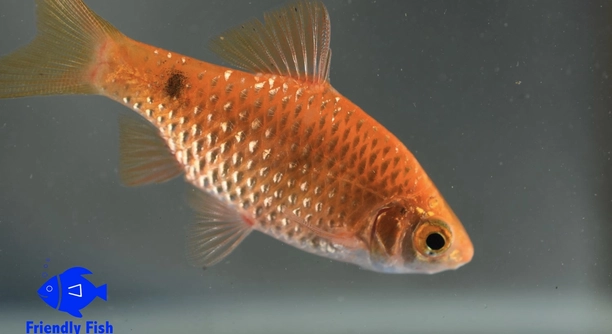
Rosy barbs are lively fish often kept in home aquariums. Sometimes, these fish suddenly stop moving and freeze in place. This behavior can surprise many aquarium owners who expect constant activity from their pets.
Rosy barbs freeze as a natural response to environmental stress or perceived threats. This sudden stillness helps reduce detection by predators and conserves energy. Factors such as water temperature changes, sudden movements, or poor water quality can trigger this reaction.
Understanding why rosy barbs freeze helps maintain a healthier tank environment and improves their overall well-being. This article explains the reasons behind this behavior and how to manage it effectively.
Environmental Stress and Its Impact on Rosy Barbs
Environmental stress is one of the main reasons rosy barbs suddenly freeze. Changes in water temperature, poor water quality, or sudden loud noises can startle them. These fish are sensitive to their surroundings, and any disruption can cause them to stop moving to avoid drawing attention. For example, a sudden drop in temperature might shock their system, making them freeze as a defense. High ammonia or nitrite levels in the tank also stress fish, leading to unusual behavior. Maintaining stable water parameters is crucial to prevent these stress reactions. A calm, consistent environment helps rosy barbs feel secure and more active. When these fish freeze, it’s often their way of coping with discomfort or uncertainty in their habitat.
Freezing behavior is a protective measure triggered by stress factors in their environment. Keeping the tank stable reduces these episodes.
Proper tank maintenance and monitoring water quality can greatly reduce stress-induced freezing in rosy barbs. Regular testing and gradual changes help them stay comfortable and healthy.
Recognizing Threats and Defensive Behavior
Rosy barbs freeze as a natural defense when they sense danger nearby. This reaction helps them blend into their surroundings and avoid predators. In an aquarium, threats can come from sudden movements, other aggressive fish, or even frequent handling. While they don’t face real predators in home tanks, their instincts remain strong. Observing their behavior can reveal if they feel threatened or uncomfortable. Understanding these signals allows owners to adjust the environment, such as adding plants or hiding spots, to create a safer space. Reducing stress from perceived threats helps rosy barbs relax and return to normal activity, improving their well-being and the overall harmony of the tank.
Temperature Fluctuations and Rosy Barbs
Sudden temperature changes can cause rosy barbs to freeze. Their metabolism slows down as they adjust, leading to stillness.
Even minor shifts in water temperature can stress these fish. When the temperature drops quickly, rosy barbs react by freezing to conserve energy. This behavior is their way of coping with unfavorable conditions. Maintaining a consistent temperature within their preferred range helps prevent this reaction. Rapid heating or cooling disrupts their comfort, so gradual adjustments are essential.
Temperature stability also supports their immune system. When fish are stressed by fluctuations, they become more vulnerable to illness. Freezing may indicate their struggle to handle sudden environmental changes. Proper heater placement and regular temperature checks ensure a safe environment for these sensitive fish.
Tank Setup and Its Role in Behavior
A well-organized tank reduces stress and freezing behavior in rosy barbs. Proper decor and hiding spots make a difference.
Rosy barbs need places to hide and feel secure. Without adequate shelter, they may freeze out of fear. Adding plants, rocks, or caves gives them safe zones to retreat to when stressed. This helps reduce anxiety and promotes natural activity. A cluttered or empty tank can increase their nervousness and cause freezing. Balancing open swimming areas with secure hiding places creates an ideal environment. The right setup supports their comfort and reduces sudden freezing episodes.
Water Quality and Its Effects
Poor water quality often causes rosy barbs to freeze. High levels of toxins or low oxygen stress the fish.
Regular water changes and monitoring ammonia, nitrite, and nitrate levels are essential. Clean, balanced water supports their health and reduces freezing behavior.
Feeding Habits and Freezing
Improper feeding can lead to stress and freezing in rosy barbs. Overfeeding or underfeeding affects their energy and behavior.
Feeding a balanced diet in proper amounts maintains their health. Uneaten food should be removed to prevent water pollution, which also impacts their comfort and activity.
Social Interaction and Behavior
Rosy barbs are social fish that need companions to feel secure. Isolation or aggressive tank mates cause stress and freezing.
Providing a peaceful group helps maintain normal behavior and reduces freezing episodes. Ensuring compatibility among tank mates supports a calm environment.
FAQ
Why do rosy barbs freeze suddenly?
Rosy barbs freeze as a natural response to stress, sudden changes, or perceived threats. This behavior helps them avoid predators by staying still and conserving energy. Environmental factors such as water temperature shifts, poor water quality, or disturbances in the tank often trigger this freezing.
Is it normal for rosy barbs to freeze in place sometimes?
Yes, occasional freezing is normal. It is a natural defense mechanism. However, frequent or prolonged freezing may indicate issues like stress, illness, or poor tank conditions that need to be addressed to keep the fish healthy.
Can water temperature changes cause rosy barbs to freeze?
Absolutely. Sudden or extreme changes in water temperature can shock rosy barbs. Their metabolism slows down, and they freeze to conserve energy until the water stabilizes. Maintaining a steady temperature within their ideal range is important.
How do I maintain proper water quality for rosy barbs?
Regularly test the tank water for ammonia, nitrites, and nitrates. Perform partial water changes weekly and avoid overfeeding, which can pollute the tank. Clean filters regularly to keep the environment safe and healthy for your fish.
Do rosy barbs freeze because of tank mates?
Sometimes. Aggressive or incompatible tank mates can stress rosy barbs, causing them to freeze as a protective behavior. It’s important to keep them with peaceful fish and provide enough space to reduce conflicts.
What role does tank setup play in preventing freezing behavior?
A well-organized tank with hiding spots like plants and decorations helps rosy barbs feel secure. Lack of shelter can increase anxiety and freezing. Balance open swimming areas with places to retreat to reduce stress.
Can feeding affect rosy barbs’ freezing behavior?
Yes. Overfeeding can pollute the water, while underfeeding may cause stress and low energy. Feeding the right amount of quality food supports their health and activity, reducing freezing episodes.
How often should I check on my rosy barbs if they freeze often?
Observe your fish daily and note any changes in behavior. If freezing happens frequently or for long periods, test water quality and review tank conditions. Prompt action can prevent health problems.
Is freezing a sign of illness in rosy barbs?
Freezing alone is not always a sign of illness, but if combined with other symptoms like loss of appetite, discoloration, or lethargy, it may indicate disease. Consulting a vet or fish specialist is advised.
What immediate steps should I take if my rosy barbs freeze suddenly?
Check the tank temperature and water quality first. Look for signs of stress or aggression from tank mates. Ensure the environment is calm and stable. Make adjustments slowly to avoid further shocking the fish.
Freezing in place is a common behavior in rosy barbs, usually caused by stress or sudden changes in their environment. This reaction helps them protect themselves by staying still when they feel threatened or uncomfortable. Factors such as sudden temperature changes, poor water quality, or aggressive tank mates can cause them to freeze. Understanding these causes helps in creating a better living space for the fish, reducing the chances of this behavior happening often.
Maintaining a stable environment is key to keeping rosy barbs healthy and active. Consistent water temperature, clean water, and a well-organized tank with hiding places provide comfort and security. Regular monitoring of water parameters like ammonia and nitrite levels prevents harmful conditions. Feeding the fish properly and avoiding overfeeding also supports their health. When these basic needs are met, rosy barbs are less likely to freeze, and their overall well-being improves.
If freezing becomes frequent or is accompanied by other signs such as loss of appetite or unusual appearance, it could signal health problems. Paying attention to the fish’s behavior and acting early can prevent serious issues. Making small, gradual changes to the tank and providing a calm, safe environment help rosy barbs thrive. Keeping these points in mind ensures your fish remain active and enjoy a good quality of life.

Hello,
If you enjoy the content that we create, please consider saying a "Thank You!" by leaving a tip.
Every little bit helps us continue crafting quality advice that supports the health, happiness, and well-being of pets around the world, for pets of all shapes, sizes, and species.
We really appreciate the kindness and support that you show us!