
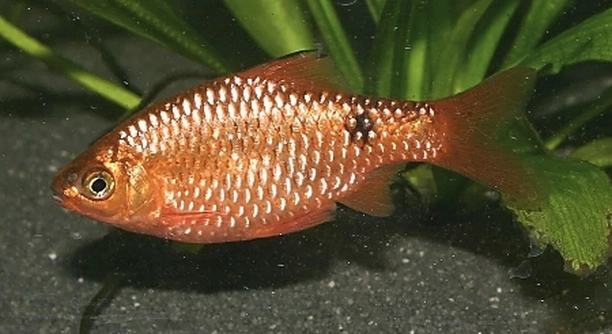
Have you ever noticed your rosy barb losing its vibrant color and started to worry something might be wrong in the tank?
The most common causes of color fading in rosy barbs include poor water quality, stress, aging, improper diet, illness, overcrowding, and lack of natural light. These factors can affect pigment development and overall health.
Understanding these causes can help you prevent further fading and support your fish’s natural color and well-being over time.
Poor Water Quality
Rosy barbs need clean, stable water to stay healthy and colorful. If the tank water has too much ammonia, nitrite, or nitrate, their color can begin to fade. Dirty or unbalanced water stresses the fish and weakens their immune system, making them more prone to losing their natural shine. Water temperature and pH should also remain consistent. Sudden changes can impact their metabolism and pigmentation. Regular water changes, proper filtration, and monitoring of water parameters are essential. Even with the right diet, poor water conditions can still affect their appearance. Clean water allows their bodies to function properly, supporting vibrant color and overall health. Test the water weekly and look for signs like dullness or reduced activity. These can signal issues before they worsen. Taking time to manage their environment will help your rosy barb stay bright and healthy.
A dull-colored fish often points to something wrong in its water. It’s a signal to check the tank immediately.
Keeping water quality high is the foundation of care. Weekly 25–30% water changes and using a reliable filter can prevent chemical build-up. Don’t forget to condition tap water before adding it to the tank. Sudden drops or spikes in temperature or pH also create stress. Stick to stable levels for both. If using live plants or decor, ensure they’re clean and safe for freshwater tanks. Test kits help track ammonia, nitrite, and nitrate levels easily. High nitrate especially can lead to long-term issues, even if the fish seem fine. Rosy barbs in clean water are more active, eat better, and display deeper color tones. A healthy tank means healthier, more colorful fish.
Stress from Overcrowding
Rosy barbs need space to swim and feel secure. If the tank is overcrowded, stress can affect their behavior and color quickly.
A small tank with too many fish creates constant competition and tension. Rosy barbs are active swimmers and prefer to be in groups of five or more, but they still need room to spread out. A crowded tank can lead to fighting, food competition, and territorial behavior. These stressors reduce pigment expression and make the fish appear faded or pale. Overcrowding also leads to more waste, making water quality harder to maintain. Even with good filtration, the increased bioload makes it tough to keep ammonia and nitrate under control. It’s important to size your tank properly—at least 20 gallons for a small group—and avoid adding too many species that occupy the same space. Giving your rosy barbs room to swim freely will support their health and vibrant appearance. Watching them move calmly and confidently is a sign they’re thriving.
Improper Diet
Rosy barbs need a balanced diet to maintain their color. If their food lacks key nutrients like carotenoids and protein, their colors can fade over time.
Feeding only basic flakes or pellets can lead to nutrient deficiencies. Carotenoids, found in foods like spirulina and brine shrimp, help enhance red and orange hues. A varied diet with frozen, live, or color-enhancing options supports pigment production. Skipping meals or overfeeding can also affect digestion and overall health, which in turn impacts their color. Try to feed them twice a day in small amounts they can finish within a few minutes. This prevents waste buildup and keeps water cleaner too. Don’t forget to read the ingredients on commercial fish food—some brands lack enough quality nutrients. Giving your rosy barbs nutritious and diverse meals will help their colors stay bright and their bodies healthy.
Proper feeding habits don’t just impact appearance—they affect behavior, immunity, and overall energy. A diet rich in natural ingredients like daphnia, bloodworms, and high-quality pellets offers more than just surface-level benefits. It strengthens their system from within. Poor nutrition can weaken their immune response, making them more likely to get sick or feel stressed, both of which cause color fading. You might notice their movements slowing, their appetite changing, or their once-bright scales looking dull. If you’ve ruled out water and space issues, adjusting their diet could be the solution. Feeding the same bland food every day won’t support long-term health. Like any pet, rosy barbs thrive on consistency, variety, and nutritional value. Even small improvements to their meals can make a visible difference.
Lack of Natural Light
Rosy barbs rely on a regular light cycle to stay healthy and colorful. Without enough light, their pigmentation can fade, and their activity levels may drop. Natural or full-spectrum aquarium lighting helps maintain their biological rhythm and color intensity.
Too much darkness or inconsistent lighting confuses their internal clock. Aim for 8–10 hours of consistent lighting each day. Use a timer to keep things regular, especially if the tank isn’t near a window. Avoid strong direct sunlight, which can cause algae problems and temperature changes.
Illness or Parasites
Internal or external illnesses can weaken rosy barbs and dull their colors quickly. Infections, parasites, and diseases like ich or fin rot are common causes. A pale or blotchy appearance often comes with other signs—clamped fins, sluggish behavior, or spots on the body. Quarantine new fish, and treat promptly if symptoms appear. Clean conditions, balanced feeding, and low stress help prevent illness. If your fish suddenly changes color and acts off, it’s a sign something more serious could be going on. Don’t delay in checking water levels, isolating the fish, or seeking treatment. Early care can make recovery easier.
Aging
As rosy barbs grow older, their colors can naturally fade. This is a normal part of aging and isn’t usually a cause for concern unless other symptoms appear.
FAQ
Can rosy barbs regain their color once it fades?
Yes, rosy barbs can regain their color if the fading is caused by stress, poor diet, or environmental issues. Once the cause is corrected, you may see improvement within a few weeks. Clean water, consistent lighting, and a high-quality diet with color-enhancing ingredients will support recovery. Reducing stress by providing enough space, hiding spots, and compatible tank mates can also help them feel secure and show their best colors. However, if the fading is due to aging, the change in appearance may be permanent and is a natural part of their life cycle.
What type of food helps brighten rosy barb color?
Foods rich in carotenoids like spirulina, krill, and shrimp are excellent for enhancing color in rosy barbs. You can also feed them high-quality color-enhancing flakes or pellets. Including some live or frozen options such as bloodworms or daphnia a few times a week provides extra protein and variety. Avoid overfeeding and always clean uneaten food. A balanced diet not only supports pigment but boosts immunity and overall health. Rotate their food types regularly to prevent boredom and keep their diet interesting and nutritious.
How often should I change the water in my rosy barb tank?
It’s best to change 25–30% of the water every week. Regular water changes remove waste, lower nitrate levels, and keep the environment stable. Dirty water causes stress and illness, which can lead to fading color. Always use a water conditioner to remove chlorine from tap water before adding it to the tank. Also, test water parameters weekly to monitor ammonia, nitrite, and nitrate levels. Consistent maintenance makes a big difference in how healthy and colorful your fish will be.
Do rosy barbs lose color when they’re stressed?
Yes, stress is one of the most common reasons rosy barbs lose color. Stress can be caused by poor water quality, overcrowding, sudden changes in temperature, or aggressive tank mates. They may become pale, less active, and even stop eating. To prevent stress, keep tank conditions stable, offer enough space, and maintain a peaceful community. If you notice color fading along with unusual behavior, it’s important to look for possible stress sources right away.
Can lighting affect my rosy barb’s color?
Lighting plays a key role in maintaining color. Rosy barbs need 8–10 hours of consistent lighting per day. Use full-spectrum or aquarium-specific lighting to simulate natural light. Without proper lighting, their colors may become dull. Avoid leaving the tank in darkness for long periods or exposing it to harsh direct sunlight, which can cause temperature spikes and algae growth. A light timer helps keep the schedule consistent, especially if you’re not home during the day.
Is color fading always a health issue?
Not always. While color fading can signal stress or illness, it can also be a natural sign of aging. Older fish often lose some brightness as they grow older. If your rosy barb is still eating well, swimming normally, and behaving as usual, aging may be the reason. However, sudden or patchy fading, especially with other symptoms like hiding or not eating, could indicate a deeper issue that needs attention.
Can tank mates affect my rosy barb’s color?
Yes, tank mates can influence behavior and stress levels, which in turn affects color. Aggressive or fast-moving fish can make rosy barbs feel threatened. This causes them to hide more and show less vibrant color. Choose peaceful, compatible species that won’t compete too much for space or food. Rosy barbs are social fish and prefer to live in groups of five or more of their own kind. Keeping them in proper numbers also helps reduce stress and boosts confidence, which encourages more vivid coloration.
Final Thoughts
Color fading in rosy barbs is often a sign that something in their environment or care routine needs attention. These fish are naturally colorful, active, and hardy, but they still need stable conditions to stay healthy. Most of the time, fading is linked to stress, poor water quality, or a lack of nutrients. When they are uncomfortable or unwell, their colors can change. This is why it’s important to notice these signs early and respond quickly. Paying close attention to their appearance, behavior, and water conditions can help prevent bigger problems from developing over time.
Keeping rosy barbs healthy is not complicated, but it does require consistency. Clean water, a proper diet, and enough space all play a big part in keeping their colors bright. If their tank is too crowded, the water is dirty, or their food lacks nutrients, their health and appearance will start to suffer. A balanced care routine is the best way to avoid these issues. Regular water testing, feeding a mix of quality foods, and providing good lighting can make a clear difference. These small habits help support your fish’s immune system, reduce stress, and maintain their natural colors.
Even though some fading is normal with age, many cases can be improved with the right care. Most changes in color are reversible if caught early. You don’t need fancy products or treatments—just good care and attention. Watching your rosy barbs swim confidently with their bright colors is a sign that you’re on the right track. Keeping their tank calm, clean, and full of proper nutrition makes them feel secure and keeps them looking their best. With a little time and effort, you can help your fish live a healthy life and keep their vibrant appearance for years to come.

Hello,
If you enjoy the content that we create, please consider saying a "Thank You!" by leaving a tip.
Every little bit helps us continue crafting quality advice that supports the health, happiness, and well-being of pets around the world, for pets of all shapes, sizes, and species.
We really appreciate the kindness and support that you show us!