
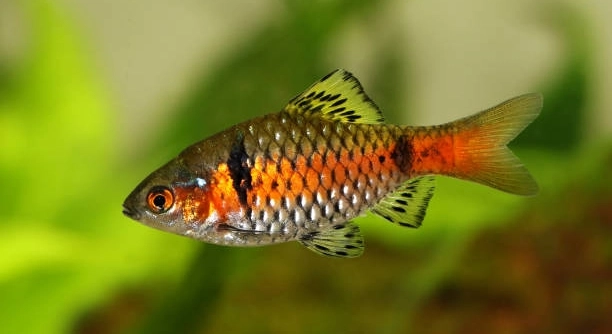
Rosy barbs are popular freshwater fish known for their vibrant colors and active behavior. Many aquarium owners enjoy watching them grow and thrive in their tanks. Observing their growth can reveal important signs about their health and environment.
Rapid growth in rosy barbs is typically indicated by changes in size, increased appetite, brighter coloration, more active swimming patterns, improved fin development, regular schooling behavior, and a healthy response to tank conditions. These signs reflect optimal care and good water quality.
Recognizing these signs early helps maintain a healthy aquarium environment for your rosy barbs and supports their continued well-being.
Increased Size and Length
As rosy barbs grow fast, one of the first signs you’ll notice is an increase in their size and length. They start as small fish but quickly develop into a more noticeable presence in your aquarium. This growth can happen within weeks if they are healthy and have proper nutrition. You may see them outgrow their usual hiding spots or become more visible as they swim around confidently. Monitoring their size helps you understand how well your fish are doing and whether their environment supports growth. It is important to adjust the tank setup if they become too large for their current space. Also, growth rates vary slightly among individual rosy barbs depending on genetics and tank conditions. Keeping a ruler or measuring tool handy to track size over time can be a useful habit for any fish keeper aiming to maintain ideal tank health and fish well-being.
Consistent growth in size shows your rosy barbs are thriving in their environment and getting enough food.
Tracking this change early can prevent overcrowding and ensure your fish remain comfortable and healthy as they grow.
Brightening Coloration
The coloration of rosy barbs often becomes more vivid as they grow quickly. Bright colors usually indicate good health and proper nutrition. When fish feel safe and have balanced diets, their scales reflect more light, making their colors pop. Fading or dull colors might signal stress or poor water quality, so it’s important to keep an eye on this. Color changes can also result from natural growth phases, but steady brightness is a positive sign. Adding plants and decorations that enhance lighting in the tank can also improve their appearance. The improved color not only makes your fish look better but also suggests that their immune systems are strong. You might notice that males often display more intense colors, especially during breeding periods, which can be another indicator of maturity and growth. Maintaining clean water and feeding high-quality food supports these vibrant hues.
Bright, intense coloration reflects good health and signals that your rosy barbs are growing well.
Observing these color shifts gives insight into their overall condition and environmental quality.
Keeping the tank clean and feeding well supports lasting color vibrancy and fish vitality.
Increased Appetite
Rosy barbs that are growing fast tend to eat more frequently. They show a clear interest in food during feeding times and may seem eager or even competitive.
A growing rosy barb needs more nutrients to support its development. If you notice your fish coming to the surface quickly or swimming actively when you feed them, it’s a good sign they are growing well. Increased appetite means their metabolism is working hard to build muscle and energy. Providing balanced, high-quality food supports this process and helps maintain their health. Overfeeding should be avoided, but feeding them multiple small meals can meet their nutritional needs without polluting the tank.
Watch for consistent feeding behavior as it indicates a healthy growth rate. Appetite changes can also alert you to shifts in water conditions or health status, so keeping an eye on their eating habits is important.
More Active Swimming
Growing rosy barbs tend to swim more actively around the tank. This increased activity often means they have more energy and are developing normally.
Active swimming helps strengthen their muscles and improves overall health. When your rosy barbs move confidently and explore different tank areas, it shows they feel secure and comfortable. Reduced swimming or hiding can be signs of stress or illness, so active movement is a positive indicator. Sometimes, more frequent bursts of speed or schooling behavior also emerge as they grow older and stronger. It is important to provide enough space and clean water to support this energy. Regular tank maintenance and proper tank size will encourage natural behaviors and physical fitness in your fish. Observing their swimming patterns regularly helps you notice growth and detect early problems.
Providing a stimulating environment with hiding spots and open swimming areas supports this healthy activity. Your fish’s movement reflects their overall well-being and readiness to thrive.
Improved Fin Development
Healthy rosy barbs show clear signs of fin growth as they mature. Their fins become longer, fuller, and less torn or ragged.
Strong fins support better swimming and balance. Damaged fins can indicate poor water quality or stress, so watch for smooth, vibrant fins as a sign of good growth.
Regular Schooling Behavior
Rosy barbs naturally swim in groups. As they grow fast, their schooling behavior becomes more consistent and coordinated. This social behavior helps reduce stress and encourages healthy activity.
Schooling also shows that your fish are comfortable and interacting well in their environment. When schooling is strong, it signals good tank conditions and healthy fish.
Healthy Response to Tank Conditions
Fast-growing rosy barbs react positively to clean water and stable tank settings. They display bright colors, active swimming, and good feeding behavior when conditions are ideal.
Maintaining proper water parameters and regular tank care helps ensure your rosy barbs continue to grow healthily and avoid stress-related issues.
Increased Interaction
Growing rosy barbs may show more interest in their surroundings, including plants, decorations, and tank mates. This increased interaction reflects their energy and curiosity as they develop.
How fast do rosy barbs typically grow?
Rosy barbs usually grow quite quickly, especially during their first few months. Under ideal conditions, they can reach around 2 to 3 inches in length within six months. Growth rates depend on factors like diet, water quality, and tank size. Proper care speeds up healthy development, while poor conditions slow it down.
What kind of diet supports fast growth in rosy barbs?
A varied diet rich in protein and nutrients helps rosy barbs grow well. High-quality flakes, pellets, and live or frozen foods such as bloodworms or brine shrimp are excellent choices. Feeding them small amounts several times a day encourages steady growth. Avoid overfeeding to keep the tank clean.
Can poor water conditions affect rosy barb growth?
Yes, water quality has a big impact on growth. Dirty or unstable water stresses fish, leading to slower growth or illness. Maintaining clean water with regular changes, proper filtration, and stable temperature helps your rosy barbs grow quickly and stay healthy.
How can tank size influence the growth of rosy barbs?
A cramped tank restricts movement and growth. Rosy barbs need enough space to swim freely. At least 20 gallons is recommended for a small group. Larger tanks improve water quality and allow fish to grow to their full potential.
Do rosy barbs grow differently in groups versus alone?
Rosy barbs are schooling fish and feel safer in groups. They tend to grow better and show more natural behaviors when kept in groups of five or more. Alone, they might be stressed, which can slow growth and affect health.
What signs indicate that a rosy barb is not growing properly?
Slow or stunted growth, faded colors, lethargy, and poor appetite can all be warning signs. These issues often stem from poor water conditions, disease, or inadequate nutrition. Early detection and correction are key to helping your fish recover and grow well.
Are there differences in growth between male and female rosy barbs?
Male rosy barbs often display brighter colors and may grow slightly faster or appear larger during breeding seasons. Females can be rounder, especially when carrying eggs, but size differences are usually subtle. Both sexes require the same care for healthy growth.
When should I consider upgrading my tank for growing rosy barbs?
If you notice your fish becoming cramped or showing signs of stress like hiding or aggression, it’s time to upgrade. Also, if their size approaches the tank’s limits, a larger aquarium will support better growth and comfort.
How often should I measure or observe my rosy barbs to monitor growth?
Checking your rosy barbs every week or two is enough to track growth without causing stress. Use a gentle approach and avoid handling them too much. Observing swimming behavior, appetite, and size changes helps keep their growth on track.
Can temperature affect how quickly rosy barbs grow?
Yes, temperature influences metabolism and growth rate. Rosy barbs thrive in temperatures between 72°F and 78°F (22°C–26°C). Staying within this range encourages healthy growth, while temperatures too low or high can slow development and increase stress.
What role does lighting play in the growth and health of rosy barbs?
Proper lighting helps regulate fish behavior and enhances coloration. While lighting doesn’t directly affect growth speed, a consistent day-night cycle promotes normal activity and feeding habits, supporting overall health.
Are there specific signs that show rosy barbs are ready to breed due to growth?
Mature rosy barbs show brighter colors, especially males, and exhibit courtship behavior like chasing and displaying fins. Females become fuller-bodied. These signs mean they have reached a healthy size and maturity.
How can I encourage healthy growth without overfeeding?
Feed small portions multiple times a day using high-quality food. Remove uneaten food promptly to maintain water quality. Balanced feeding supports growth while avoiding issues caused by excess waste and poor water conditions.
What common mistakes slow down rosy barb growth?
Overcrowding, poor water quality, inconsistent feeding, and lack of tank maintenance are common problems. Ensuring clean water, proper diet, adequate space, and regular monitoring helps prevent these issues and supports steady growth.
Rosy barbs are lively and colorful fish that many people enjoy keeping in their aquariums. Watching them grow fast can be exciting and rewarding. Paying attention to the signs of growth helps you understand how well your fish are doing and if their environment meets their needs. Changes in size, color, appetite, swimming activity, and fin development are all important indicators. When these signs are positive, it usually means your rosy barbs are healthy and happy. Providing good care, including proper feeding, clean water, and enough space, supports their growth and overall well-being.
Taking care of rosy barbs requires some attention to detail but is not difficult. Keeping their tank clean and monitoring water quality are crucial parts of maintaining a good home for them. Feeding them a balanced diet several times a day helps meet their nutritional needs as they grow. Observing their behavior regularly also gives clues about their health. If you notice any sudden changes like dull colors or lack of movement, it may be a sign that something needs fixing. Acting early can prevent bigger problems and keep your rosy barbs growing steadily.
In the end, healthy rosy barbs make a beautiful and lively addition to any aquarium. By recognizing the signs of fast growth and understanding what influences it, you can create the best environment for your fish. Regular care, good food, and proper tank conditions will help your rosy barbs reach their full potential. With patience and attention, you can enjoy watching these vibrant fish thrive and bring life to your tank for a long time.

Hello,
If you enjoy the content that we create, please consider saying a "Thank You!" by leaving a tip.
Every little bit helps us continue crafting quality advice that supports the health, happiness, and well-being of pets around the world, for pets of all shapes, sizes, and species.
We really appreciate the kindness and support that you show us!