
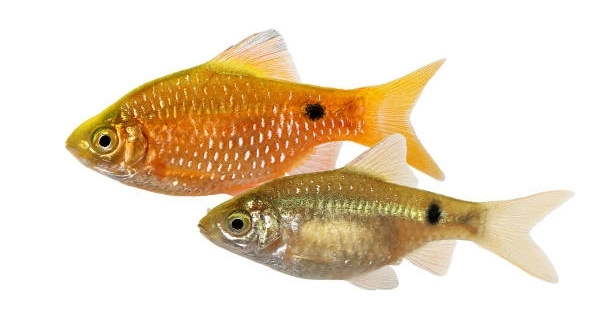
Rosy barbs are popular freshwater fish known for their bright colors and lively behavior. Many fish keepers notice that these fish react differently when exposed to bright light. Understanding these reactions can help create a better environment for them.
Rosy barbs show several distinct responses to bright light, including increased activity, color changes, hiding behavior, stress signals, and altered swimming patterns. These reactions are important indicators of their comfort and well-being in their habitat.
Knowing how rosy barbs respond to light can improve their care and keep them healthy in your aquarium. This article explains the key behaviors you might observe under bright lighting conditions.
Increased Activity and Swimming Speed
When rosy barbs are exposed to bright light, one of the first things you might notice is a surge in their activity. They tend to swim faster and explore more of their tank. This response may be linked to their natural instinct to be alert under strong light conditions. Bright lighting simulates daylight, which often encourages fish to become more active as they search for food or interact with others. However, this increased movement can sometimes lead to stress if the light remains too intense for long periods. It is important to observe how long they maintain this behavior and whether it leads to any signs of exhaustion or hiding afterward. Adjusting the light intensity or providing shaded areas can help balance their energy levels and comfort.
This activity boost is generally temporary but can be a clear sign that your fish are sensitive to the lighting environment. Monitoring this behavior helps in managing tank conditions.
Bright light can cause rosy barbs to become more energetic, swimming faster as part of their alertness. Managing this response by controlling light exposure ensures their well-being and prevents stress-related issues.
Color Changes Under Bright Light
Rosy barbs often display noticeable changes in their coloration when exposed to bright light. Their colors can become more vivid or sometimes paler, depending on their mood and health. Bright lighting usually enhances their natural hues, making them look more attractive and lively. However, if the light is too strong or prolonged, it may cause the fish to lose color temporarily as a stress response. This fading is different from natural color changes related to breeding or social interactions. Watching for these color shifts can give important clues about their comfort and environment. Adjusting lighting intensity and duration can help maintain their bright colors while reducing stress.
Fish showing vibrant colors typically indicate good health, while fading may signal discomfort or stress from light exposure.
Maintaining balanced lighting encourages healthy coloration and helps rosy barbs feel secure in their environment, supporting both their appearance and mood.
Hiding Behavior in Bright Light
Rosy barbs may seek shelter or hide more when the light is too bright. This is a natural way to avoid discomfort and stress caused by intense lighting.
Hiding helps rosy barbs feel safe. When bright light feels overwhelming, they retreat to plants, decorations, or shaded areas. This behavior protects them from potential threats and reduces stress. Providing hiding spots in the tank is essential to help them cope with fluctuating light levels. It also supports their natural instincts and comfort.
If hiding becomes frequent or prolonged, it could signal that the lighting is too harsh or constant. Adjusting the light or offering more shaded places will encourage them to come out and swim freely again, maintaining a balanced environment for their well-being.
Stress Signals in Rosy Barbs
Bright light can trigger visible stress signals in rosy barbs, such as rapid gill movement or fin clamping. These signs indicate discomfort and an effort to cope with the environment.
Stress affects fish health by weakening their immune system and making them more vulnerable to disease. Rosy barbs under constant bright light may show dull colors, loss of appetite, or erratic swimming. Monitoring these behaviors is crucial to prevent long-term damage. Reducing light intensity or shortening exposure time can significantly decrease stress levels and improve their overall health. Creating a calm and stable tank environment promotes their natural behavior and vitality.
Altered Swimming Patterns
Bright light can cause rosy barbs to change how they swim. They might swim closer to the tank bottom or near shaded areas.
These changes help them avoid the light and reduce stress. It is a common behavior when they feel uncomfortable or need to rest.
Interaction with Other Fish
Under bright light, rosy barbs may become more or less social with tank mates. Some may chase others more actively, while some might withdraw. This change depends on how comfortable they feel with the lighting and their surroundings.
Seeking Shade
Rosy barbs often look for shaded spots when the light is too strong. Providing plants or decorations creates safe areas where they can relax away from intense brightness.
How much light do rosy barbs need daily?
Rosy barbs generally thrive with about 8 to 10 hours of light per day. This simulates a natural daylight cycle, supporting their activity and overall health. Too much light can cause stress and behavioral changes, while too little may affect their color and mood. It’s best to use a timer to keep the lighting consistent and avoid sudden changes that could disturb the fish. Balancing light duration helps keep rosy barbs comfortable and active without causing unnecessary stress.
What happens if rosy barbs are exposed to too much light?
Excessive light exposure can cause several negative reactions. Rosy barbs may become overly active at first but quickly show signs of stress like hiding, clamped fins, or color fading. Prolonged bright light can weaken their immune systems, making them more prone to illness. They might also change their swimming habits, avoiding open areas and staying near shaded spots. To prevent these problems, it’s important to control light intensity and duration, ensuring a healthy environment that mimics their natural habitat.
Can rosy barbs adjust to different lighting conditions?
Yes, rosy barbs can adapt to varying lighting conditions over time, but sudden or extreme changes may cause stress. Gradual adjustments allow them to become comfortable without showing negative reactions. For example, if you need to increase light for plants or display purposes, do it slowly over several days. Providing hiding places and shaded zones helps them manage changes. While they can adapt, keeping a stable lighting routine is best for their long-term well-being.
Are color changes under bright light harmful to rosy barbs?
Color changes themselves are not usually harmful; they are natural responses to light and mood. Bright light often makes their colors more vivid, but stress from too much light can cause colors to fade temporarily. If fading lasts too long or is accompanied by other signs of stress, it might indicate poor conditions. Keeping light balanced and observing behavior ensures color changes reflect health rather than stress.
How can I reduce stress caused by bright light for my rosy barbs?
To reduce stress, limit the time the aquarium light is on to 8-10 hours daily. Use adjustable lighting or dimmers to control brightness. Add plenty of plants and decorations for natural hiding spots and shaded areas. Avoid placing the tank in direct sunlight, which can cause intense and uneven lighting. Also, keep a consistent light schedule using a timer to prevent sudden changes. These steps help create a calm environment where rosy barbs feel secure.
Do rosy barbs behave differently at night without light?
At night or in darkness, rosy barbs tend to be less active and often rest near the bottom or among plants. They naturally reduce movement and display less color brightness. This is a normal part of their daily cycle, helping them conserve energy. Providing a dark period is important for their health, as it mimics natural conditions and allows their bodies to recover.
Is it necessary to have a light cycle for rosy barbs if the tank is indoors?
Yes, even indoor tanks benefit from a regular light cycle. A consistent schedule of light and dark periods helps regulate rosy barbs’ biological rhythms. Without it, they may become stressed or show unusual behaviors. Using a timer ensures they get the right amount of light daily, supporting their activity, feeding, and overall health.
What signs show that rosy barbs are stressed by light?
Stress signs include hiding more often, clamped fins, rapid breathing, color fading, and erratic swimming. They may also lose appetite or isolate themselves from other fish. Watching for these behaviors is important to identify if light conditions need adjustment. Early response can prevent health problems and keep them comfortable.
Can tank decorations affect how rosy barbs respond to light?
Yes, decorations can provide shelter and shaded areas that help rosy barbs manage bright light. Plants, rocks, and other structures give them places to retreat and feel safe. This reduces stress and allows natural behaviors to continue even under stronger lighting. Including varied decorations in the tank benefits the fish’s comfort and well-being.
Should I use special aquarium lights for rosy barbs?
While standard aquarium lights are usually fine, choosing full-spectrum or adjustable lights can improve color display and create better environments. These lights mimic natural daylight more closely and allow control over brightness and duration. This flexibility helps balance the needs of fish and plants while minimizing stress on rosy barbs. Selecting the right lighting system depends on your tank setup and goals.
Understanding how rosy barbs react to bright light is important for their care. These fish show a variety of behaviors when exposed to different lighting conditions, such as changes in activity, color, and social interaction. Bright light can sometimes make them more active, but it can also cause stress if it is too intense or lasts too long. Observing their reactions helps to ensure they are comfortable and healthy in their tank environment.
Managing the lighting in your aquarium can make a big difference for rosy barbs. It is helpful to provide a balanced light schedule, usually around 8 to 10 hours per day, which mimics natural daylight cycles. Adding plants and decorations gives the fish places to hide or rest when the light is too strong. Adjusting the light intensity and creating shaded areas can reduce stress and help the fish maintain their vibrant colors. Simple changes in lighting can improve the overall well-being of your rosy barbs.
Paying attention to how your rosy barbs respond to bright light can prevent many common problems. Stress from poor lighting may lead to health issues or changes in behavior that are easy to miss at first. By offering a stable environment with appropriate lighting, you support their natural instincts and help them thrive. Taking these steps not only benefits the fish but also makes your aquarium more enjoyable to watch. Providing the right light conditions shows care and helps keep rosy barbs active and happy.

Hello,
If you enjoy the content that we create, please consider saying a "Thank You!" by leaving a tip.
Every little bit helps us continue crafting quality advice that supports the health, happiness, and well-being of pets around the world, for pets of all shapes, sizes, and species.
We really appreciate the kindness and support that you show us!