
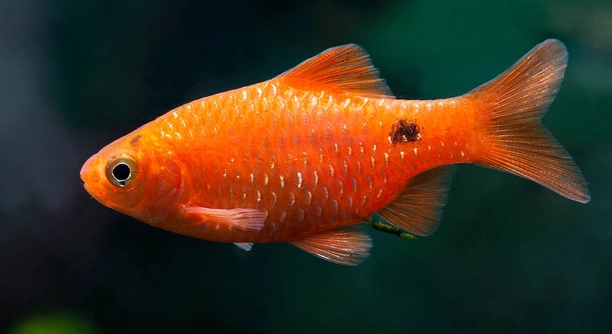
Rosy barbs are popular freshwater fish known for their vibrant colors and active nature. They often live in groups, showing interesting social behavior. Understanding how they interact can help in caring for them properly.
Social behavior in rosy barbs includes schooling, establishing pecking orders, and communication through body movements and color changes. These behaviors reflect their natural instincts for safety, hierarchy, and mating, which are crucial for their well-being in captivity.
Learning to identify these social cues can improve how you manage your aquarium environment and support your rosy barbs’ health.
Common Social Behaviors in Rosy Barbs
Rosy barbs show several social behaviors that are easy to spot once you know what to look for. One of the most noticeable is schooling, where they swim closely together in groups. This behavior helps protect them from threats and keeps the group organized. You might also see them establishing a pecking order, where some fish take dominant roles while others stay more submissive. These roles can change over time. Another key behavior is their use of body language. Rosy barbs often flare their fins or change colors to communicate, especially during mating or when feeling stressed. Watching how they interact in these ways gives insight into their mood and health. If you keep them in an aquarium, making sure they have enough space and companions will help these behaviors stay natural and reduce stress.
Observing rosy barbs closely helps you understand their needs better and can prevent problems related to stress or aggression.
Regular attention to their social behavior supports a balanced and healthy aquarium environment for all your fish.
How to Encourage Healthy Social Interaction
Healthy social interaction among rosy barbs depends on several factors. Keeping them in groups of at least six helps them feel secure and encourages natural schooling behavior. Providing enough space in the tank allows them to swim freely and avoid conflicts. A well-planned environment with hiding spots and plants also helps reduce stress. Feeding them a balanced diet supports their overall well-being, which influences their social mood. It’s important to monitor their interactions and separate any overly aggressive individuals before issues arise. Making small changes, like adjusting tank mates or rearranging decorations, can improve group dynamics and keep your rosy barbs comfortable. This care supports not just their social life but also their long-term health.
Recognizing Stress in Rosy Barbs
Stress in rosy barbs often shows through changes in behavior or appearance. They may hide more, lose color, or become aggressive. These signs indicate they are uncomfortable or unwell.
Stress usually comes from poor water quality, overcrowding, or aggressive tank mates. Keeping the water clean and the environment stable is important. If one fish is bullying others, it can create tension in the whole group. Sudden changes in temperature or lighting can also cause stress. Watching for early signs helps prevent health problems.
When rosy barbs are stressed, their immune system weakens, making them more vulnerable to diseases. Ensuring they have enough space, clean water, and compatible tank mates reduces stress. Adding plants and decorations can give them places to retreat and feel safe. Regular water tests and gentle tank maintenance help keep stress levels low.
Feeding and Its Effect on Social Behavior
A proper diet directly affects how rosy barbs interact socially. Balanced nutrition keeps them active and less prone to aggression. Feeding too little or too much can cause problems.
Poor diet can lead to lethargy or irritability, making social behaviors worse. Overfeeding causes water pollution, increasing stress for all fish. Feeding small amounts multiple times a day works best. High-quality flakes, pellets, and occasional live food ensure they get necessary nutrients. Feeding should be consistent to avoid competition or fighting during mealtime.
Well-fed rosy barbs display healthier colors and more stable social relationships. Keeping feeding routines simple helps maintain peace in the tank. Observing how they behave around food can also show if there are any social issues developing.
Tank Setup and Social Behavior
The layout of the tank greatly influences how rosy barbs interact. Open swimming space encourages schooling, while hiding spots reduce stress and aggression. Plants and decorations provide shelter but should not overcrowd the tank.
Balanced tank design helps maintain peaceful social dynamics. Avoid sharp objects to prevent injury during quick movements or fights.
Signs of Mating Behavior in Rosy Barbs
During mating, male rosy barbs become brighter and more vibrant in color. They may chase females gently, displaying fin flares and circling movements. Females respond by staying close but can also hide if they feel stressed. Spawning usually happens near plants or dense decorations where eggs can be safely laid. Observing these behaviors helps distinguish mating activity from aggression, which is more intense and less coordinated.
Impact of Tank Mates on Rosy Barbs
Choosing the right tank mates is key. Peaceful, similarly sized fish reduce conflicts and support natural social behavior. Avoid aggressive or very shy species that can upset the group balance.
How many rosy barbs should be kept together?
Rosy barbs are social fish that thrive in groups. It’s best to keep at least six together to encourage natural schooling behavior and reduce stress. Smaller groups can lead to aggression and loneliness, which affects their health and well-being.
What are the signs of aggression in rosy barbs?
Aggressive rosy barbs may chase, nip fins, or constantly bully weaker fish. You might see torn fins or fish hiding more often. Aggression often happens when the tank is overcrowded or if there aren’t enough hiding places. Early detection helps prevent injuries.
Can rosy barbs live with other fish species?
Yes, but tank mates should be peaceful and of similar size. Avoid slow-moving or delicate fish since rosy barbs can be active and sometimes nippy. Good companions include danios, mollies, and larger tetras. Always monitor new introductions closely.
How does water quality affect rosy barbs’ social behavior?
Poor water quality increases stress, which can lead to aggression and illness. Regular water changes and testing help maintain a stable environment. Clean water encourages healthy behavior and proper social interactions within the group.
What should I do if my rosy barbs are fighting?
If fighting starts, check for overcrowding or lack of hiding spaces. Rearranging decorations or adding plants can break sightlines and reduce tension. Sometimes separating the most aggressive fish temporarily helps restore balance.
How often should rosy barbs be fed?
Feed small amounts two to three times a day. Overfeeding pollutes the water and can cause aggression during feeding. A balanced diet with flakes, pellets, and occasional live or frozen foods keeps them healthy and active.
Do rosy barbs change color based on social status?
Yes, dominant males often display brighter colors to show status and attract females. Submissive fish may appear duller. These color changes are a natural part of their social hierarchy and communication.
What are common signs of stress in rosy barbs?
Stress shows through hiding, loss of color, erratic swimming, or loss of appetite. It often results from poor water conditions, overcrowding, or bullying. Identifying stress early helps prevent disease and supports their social well-being.
Can rosy barbs recognize their owners?
They may recognize movement or feeding patterns but do not bond like some pets. They respond to routine and may come near during feeding times, showing a form of recognition related to survival and comfort.
How important is tank size for rosy barbs?
Tank size is critical. A 30-gallon tank or larger is recommended for six or more rosy barbs. More space reduces aggression and allows natural schooling behavior, supporting better social health.
Are there any signs that indicate rosy barbs are ready to breed?
Males become more colorful and active, often chasing females lightly. Females’ bellies may appear rounder with eggs. Spawning usually occurs near plants or hiding spots, where eggs can be safely deposited.
What are common causes of bullying in rosy barbs?
Bullying often results from overcrowding, poor tank design, or incompatible tank mates. Sometimes it’s a natural way to establish dominance but can escalate if conditions are stressful or space is limited.
How can I encourage peaceful behavior among rosy barbs?
Maintain good water quality, provide enough space, and include plenty of plants or decorations. Keeping a larger group helps spread out aggression. Feed regularly with quality food to reduce competition.
Is it normal for rosy barbs to nip fins?
A little fin nipping happens, especially during schooling or mating. Excessive nipping signals stress or aggression. Adjusting tank conditions or group size usually helps reduce this behavior.
How often should the tank be cleaned to support social health?
Perform partial water changes weekly or biweekly. Cleaning removes toxins and maintains water quality, which directly influences stress levels and social harmony among rosy barbs.
Can lighting affect rosy barbs’ social behavior?
Yes, sudden changes or overly bright light can stress fish, causing hiding or aggression. Providing a natural day-night cycle with moderate lighting supports calm, natural interactions.
Understanding the social behavior of rosy barbs is important for anyone who keeps these fish. Their interactions show a lot about their health and well-being. By watching how they swim together, communicate, and react to each other, you can tell if they are comfortable or stressed. This helps in making good decisions about their care, such as tank setup, feeding, and choosing the right tank mates. Paying attention to these details improves their quality of life and makes the aquarium more enjoyable.
Creating the right environment is key to supporting healthy social behavior in rosy barbs. They need enough space to swim freely and areas to hide when they want to feel safe. Plants, decorations, and a clean tank help reduce stress and prevent fights. Keeping them in groups of six or more encourages natural schooling and reduces loneliness. A balanced diet also plays a role, as well-fed fish tend to be more active and less aggressive. When these needs are met, rosy barbs are more likely to show their natural colors and behaviors.
Taking time to observe rosy barbs closely can make a big difference. Recognizing signs of stress or aggression early allows for quick action, which can prevent bigger problems. Regular maintenance, proper feeding, and attention to social dynamics create a peaceful aquarium. While rosy barbs are lively and social fish, they depend on the environment and care you provide. Understanding and supporting their social behavior leads to healthier fish and a more balanced tank overall.

Hello,
If you enjoy the content that we create, please consider saying a "Thank You!" by leaving a tip.
Every little bit helps us continue crafting quality advice that supports the health, happiness, and well-being of pets around the world, for pets of all shapes, sizes, and species.
We really appreciate the kindness and support that you show us!