
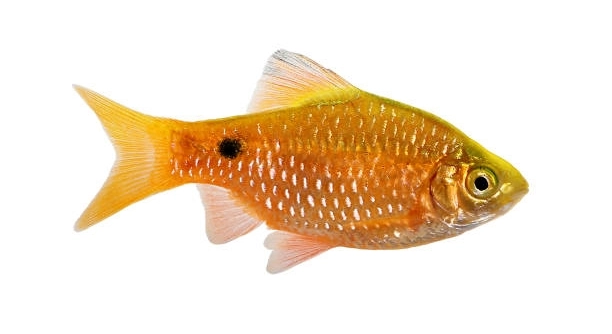
Have you ever set up a fish tank and wondered how the different levels of water might affect your fish’s behavior?
Rosy barbs are affected by water depth, as it can influence their swimming patterns, social behavior, and stress levels. Shallower or deeper environments may lead to noticeable changes in how they interact within their habitat.
Observing how Rosy Barbs react to various depths can help fish keepers create better environments tailored to their natural instincts and comfort.
How Water Depth Influences Rosy Barb Behavior
Rosy Barbs are active freshwater fish that enjoy swimming in open spaces. Water depth can influence how they move, interact, and rest. In shallower tanks, they may appear more active near the surface and interact more often with tankmates. This can lead to increased social activity and bolder behavior. Deeper water setups, on the other hand, tend to encourage more vertical movement. Some Rosy Barbs may become slightly more reserved or stick to the middle zones. The depth may also affect their response to lighting and filtration, both of which play a role in their comfort. Understanding this allows fish keepers to adjust tank conditions to better support their Rosy Barbs’ natural preferences and reduce stress-related behaviors. It is important to note that while water depth does have an impact, it is one of several environmental factors that work together to shape the overall well-being and behavior of these fish.
Shallow tanks tend to create a livelier environment, while deeper setups offer more vertical space for swimming and hiding.
If your Rosy Barbs seem restless or unusually inactive, adjusting the water depth may help. Keep an eye on how they react over a few days. Small changes can reveal what they find most comfortable. Observing their habits closely is key to understanding what works.
Creating a Comfortable Tank Environment
A well-balanced tank does more than just look nice—it directly affects your Rosy Barbs’ behavior.
Rosy Barbs are known for their adaptability, but they still benefit from a stable environment that reflects their natural habitat. In deeper tanks, using plants that reach different heights helps them feel secure. Floating plants can provide shade and reduce surface glare, which can make fish feel exposed. In shallower tanks, placing plants or decorations closer to the surface gives them hiding spots and encourages more movement near the top. Water flow is also affected by depth, so it’s important to ensure filtration is neither too strong nor too weak. You should also consider the lighting. In deeper tanks, light may not reach the bottom evenly, which can change how fish behave. If the lighting is too dim or too harsh, Rosy Barbs may become less active. With a few thoughtful adjustments, your tank can support healthier, more active fish that thrive in their environment.
Observing Changes in Activity Levels
Water depth can affect how often Rosy Barbs swim and where they spend their time. In shallower tanks, they may stay closer to the top. In deeper setups, their activity may shift more toward the middle or bottom zones.
Some Rosy Barbs show reduced energy in deeper water, especially if they’re not used to it. They may appear less curious or spend more time hovering in one area. On the other hand, fish kept in shallower tanks tend to move more quickly and display schooling behavior more often. This could be due to the increased sense of security and better lighting. Watching for changes in movement patterns and group dynamics can reveal how comfortable your fish feel. If you notice a sudden drop in activity, it may be time to reevaluate the depth and make adjustments based on their natural behavior and comfort zones.
Not every fish will react the same way to changes in depth. Some Rosy Barbs adapt right away, while others may need time to adjust. It’s a good idea to change the setup gradually and watch for small shifts in swimming habits. You might also see changes in how they eat or where they rest. Over time, their preferred zones will become more obvious. This helps you fine-tune your setup and create a more peaceful space for them.
Depth and Social Interactions
In shallow tanks, Rosy Barbs often swim in tighter groups. They appear more alert and interactive with one another. Deeper water sometimes spreads them out more, reducing the amount of schooling and social behavior you may observe.
Spacing plays a role in how fish interact. In a deeper tank, Rosy Barbs may settle into different zones depending on comfort and confidence. This can lead to less visible group behavior and more individual movement. While some enjoy the freedom of vertical swimming, others might become more passive. This shift doesn’t always mean something is wrong—it might just reflect a natural change in habits. If you’re aiming to encourage more group activity, keeping the water level moderate and offering plenty of open space with gentle filtration can help. Watching how they group and move will tell you a lot about how they’re adjusting to their surroundings. A balance of depth, space, and shelter makes a big difference.
Feeding Patterns and Depth
In shallower tanks, Rosy Barbs often reach the food quicker and eat more confidently. The shorter distance from the surface allows them to spot and grab food easily without much hesitation or delay.
Deeper water may slow down their feeding response, especially if the food sinks quickly. Some fish might stay in mid-water and miss out.
Adjusting Tank Setup for Depth
If your tank is deeper, try using slow-sinking or floating food to give Rosy Barbs enough time to eat. You can also place food in areas where they spend the most time. Adding plants and decorations at different heights encourages natural movement and gives fish more control over where they swim and feed. Make sure lighting is strong enough to reach all levels of the tank. Weak lighting can lead to reduced movement and make feeding more difficult. Each small change you make should be based on how your fish behave over time. Observation helps you create the best environment for their health and comfort.
Signs They’re Uncomfortable
If Rosy Barbs stay in one corner, ignore food, or avoid swimming freely, they might be uncomfortable with the depth.
FAQ
Does water depth change how active Rosy Barbs are?
Yes, it can. Rosy Barbs in shallow tanks usually appear more active. They swim more, interact with tankmates, and stay closer to the top. In deeper tanks, they often move more slowly or stay in the middle areas. Some may seem less social or hide more if they aren’t used to the depth. That doesn’t always mean something is wrong, but it does show that water depth can influence how they behave. If their behavior shifts after a change in water level, it may be helpful to watch for patterns and adjust the setup as needed.
Can Rosy Barbs live in deep tanks?
They can live in deep tanks, but the setup needs to be adjusted to support them. Use plants and décor at different levels to help them feel secure. Make sure lighting is strong enough to reach the bottom. You may also want to offer slow-sinking or floating foods to make feeding easier. Without these adjustments, Rosy Barbs may stay in one area of the tank and appear less active. Over time, they can adapt to deeper water if the space feels safe and comfortable. It’s best to observe their habits and make changes based on what you see.
Do Rosy Barbs prefer shallow or deep water?
They tend to be more comfortable in moderately shallow water where they can easily access food and stay active. Shallow tanks also make it easier for them to stay close to the group, which supports their natural schooling behavior. However, this doesn’t mean they can’t enjoy deeper water. What matters most is how the tank is set up. If deeper tanks include enough space, plants, and gentle flow, Rosy Barbs may thrive there too. Watching how they swim and where they spend time helps you figure out their preferences. Each group of fish may act a little differently.
Will water depth affect how Rosy Barbs eat?
Yes, it can. In shallow water, food stays closer to the fish, making it easier for them to eat right away. In deeper tanks, food can sink too fast or get lost, especially if lighting is low. This might cause some Rosy Barbs to eat less or miss feedings. To fix this, use floating food or feed smaller amounts at a time. You can also place food near where they usually swim. Over time, you’ll notice what method works best for them. The goal is to make feeding easy and stress-free, no matter the depth.
Do all Rosy Barbs react the same way to water depth?
No, not all of them react the same. Some adjust quickly, while others take more time. A few might love swimming up and down in deeper tanks, while others stay near the middle or bottom. This is why observation is important. Keep an eye on where your fish like to swim and how they behave during feeding or rest. If several seem stressed or inactive, try making small changes to the setup. Gradual changes work better than sudden ones. Over time, you’ll learn what your fish respond to best.
How do I know if the depth is causing stress?
Look for signs like reduced movement, hiding, avoiding the top of the tank, or skipping meals. If these signs appear soon after changing the water depth, it may be the cause. Also, note if they separate from the group or become less social. These behaviors can be mild at first but are worth watching. Stress can build up over time, so making adjustments early helps prevent larger issues. You don’t always need to change the depth entirely—sometimes adding plants, dimming bright lights, or adjusting the water flow is enough to help them feel more secure.
Should I change my tank depth just for my Rosy Barbs?
Not always. If they are active, eating well, and interacting normally, there may be no need to change anything. But if you notice signs of discomfort or unusual behavior, adjusting the depth could help. A small change in water level can sometimes improve movement and feeding. You can also rearrange plants and decorations to break up the space without lowering the depth. The most important thing is to watch how your fish behave and use that as your guide. Their habits tell you a lot about what kind of environment they need.
Final Thoughts
Water depth is one of several factors that can shape how Rosy Barbs behave in a tank. While they are known for being adaptable, they still respond to changes in their environment. A tank that is too shallow or too deep may cause stress or reduce their activity over time. Paying attention to where your Rosy Barbs spend their time and how they interact with one another can help you decide if the depth is working well for them. These fish do best in a stable setup with gentle flow, balanced lighting, and plenty of swimming space at different levels.
You do not need to completely redesign your tank to help them feel more at ease. Even small changes—like adjusting plant placement, using floating food, or slightly raising or lowering the water level—can make a big difference. If you see that your fish are hiding more or not eating well, it could be due to how the depth affects their movement and comfort. Each group of Rosy Barbs may behave a little differently, so it’s helpful to spend time observing how they act after a change. This makes it easier to spot patterns and make thoughtful decisions about their care.
Creating the right environment takes some patience, but the results are worth it. When Rosy Barbs feel comfortable, they are more active, more social, and more likely to show their natural colors and behavior. Water depth is just one part of a healthy setup, but it’s an important one. If you’re not sure whether the depth is right, start with small adjustments and see how your fish respond. Over time, you’ll learn what works best for your tank and your Rosy Barbs. The goal is to give them a space where they can thrive, not just survive. With a little attention to detail, it’s possible to create a tank environment that supports their needs and brings out their best qualities.

Hello,
If you enjoy the content that we create, please consider saying a "Thank You!" by leaving a tip.
Every little bit helps us continue crafting quality advice that supports the health, happiness, and well-being of pets around the world, for pets of all shapes, sizes, and species.
We really appreciate the kindness and support that you show us!