
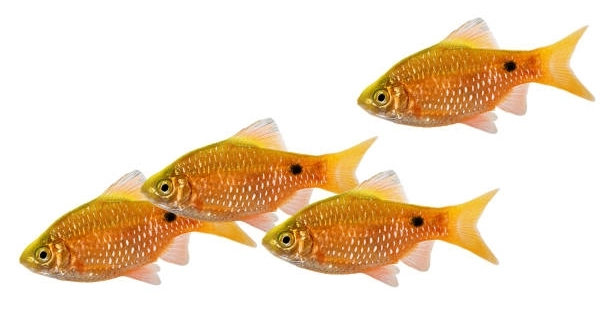
Rosy barbs are popular aquarium fish known for their vibrant colors and active behavior. When their tank environment changes, such as with new decor, they often show distinct reactions. Observing these responses can help you understand their comfort and stress levels.
Rosy barbs typically respond to new decor by exploring cautiously, adjusting their swimming patterns, and sometimes hiding initially. Over time, they adapt, using the new environment for shelter, play, or establishing territories, reflecting their natural behavior in response to change.
These insights into their reactions will help you create a more comfortable and engaging habitat for your rosy barbs.
Initial Exploration and Cautious Behavior
When new decor is added to a rosy barb’s tank, the fish usually approach it with caution. They swim slowly around the new object, sometimes stopping to inspect it closely. This behavior is a natural response to change and helps them assess if the new decor poses any threat. Some rosy barbs may hide behind or under the new decoration at first, using it as a temporary shelter while they adjust. This phase can last from a few hours to a couple of days, depending on the individual fish. During this time, their swimming patterns may become less active or more erratic as they get used to the new setup. The added structures can also influence how the fish interact with each other, sometimes creating new territories or social dynamics. It is important to observe these behaviors to ensure the fish are adapting well and not showing signs of stress.
The initial reaction is a sign the fish are assessing their environment carefully. They need this time to feel secure and confident.
Understanding this early cautiousness can help in selecting suitable decorations that minimize stress and encourage natural behavior.
Changes in Social Interaction
New decor can change how rosy barbs interact with each other, sometimes leading to shifts in group dynamics. They might use the new objects to establish territories or hide away from more dominant tank mates. The fish may swim in smaller groups or become more dispersed as they explore the added features. This shift can be temporary while they get used to the changes, or it can last longer if the decor significantly alters the tank layout. Adding plants or hiding spots usually encourages shy or less dominant rosy barbs to become more confident, which can improve overall tank harmony. However, some decorations may create narrow spaces that increase competition or stress. Keeping a close eye on their social behavior after introducing new decor helps ensure a balanced environment and reduces the risk of aggression.
These social shifts reveal how decor affects fish behavior and tank dynamics.
Careful selection and placement of new items can promote peaceful interactions and reduce territorial disputes.
Increased Activity Levels
Rosy barbs often become more active after new decor is added. They use the new space to swim around and explore, which can boost their energy and curiosity.
This increased activity is a positive sign. It shows that the fish are adjusting well and feel comfortable enough to investigate their surroundings. New hiding spots or swimming paths encourage them to be more lively. The change can also help reduce boredom, which is important for their mental health. However, it’s essential to watch for any signs of stress, like frantic swimming or excessive hiding, which might mean the decor is overwhelming or unsuitable.
Encouraging movement through decor placement benefits their physical health. It’s good to balance open swimming areas with places to hide so the fish can choose how active they want to be.
Interaction with Hiding Spots
Rosy barbs often seek shelter in new hiding spots. These places provide a sense of security, especially when the tank layout changes suddenly.
Having multiple hiding options reduces stress for shy or nervous fish. It lets them retreat when needed and feel safe without being isolated from the group. Hiding spots also encourage natural behaviors like resting and avoiding potential threats. However, not all hiding places are used equally. Fish may favor spots that offer easy access and good visibility of the tank. Too many tight spaces can cause competition or territorial disputes, so it’s important to observe which areas the fish prefer and adjust accordingly. Well-placed hiding spots can improve overall tank harmony and fish well-being.
Curiosity and Inspection
Rosy barbs show curiosity by swimming close to new decorations and inspecting them carefully. This behavior helps them learn about changes in their environment.
They may tap or nudge the decor with their noses. This gentle investigation is part of how they adapt and feel secure.
Changes in Swimming Patterns
New decor often causes rosy barbs to alter their swimming routes. They may swim around or weave through objects, which creates more varied movement. This change keeps their environment stimulating and encourages natural behaviors like darting and exploring different tank areas. Watching these patterns helps understand how well the fish adjust to the new layout. If swimming becomes overly erratic or confined, it may signal discomfort or stress that should be addressed promptly.
Territorial Behavior
Some rosy barbs may begin to claim areas near new decorations as their own.
FAQ
How long does it take for rosy barbs to adjust to new decor?
Rosy barbs usually take a few hours to a couple of days to adjust to new decorations in their tank. Some fish are quicker to explore and accept changes, while others might be more cautious and need extra time. Providing familiar elements alongside new decor helps speed up the adjustment process.
What signs show that rosy barbs are stressed by new decor?
Stress signs include hiding constantly, erratic swimming, loss of appetite, and color fading. If the fish avoid open swimming areas or stay in one spot for long periods, it might mean they are uncomfortable. Removing or rearranging the decor can help reduce stress.
Can new decor cause aggression among rosy barbs?
Yes, certain decorations can lead to territorial disputes, especially if they create tight spaces or isolated hiding spots. Rosy barbs may defend these areas aggressively. It’s best to provide multiple hiding places and open swimming space to minimize conflicts.
What types of decor are best for rosy barbs?
Smooth, non-toxic decorations with rounded edges work best. Natural materials like live or silk plants, smooth rocks, and driftwood create a comfortable habitat. Avoid sharp or rough items that could injure the fish. Proper placement is important to balance hiding spots and open areas.
Should I clean new decor before adding it to the tank?
Always rinse new decorations with warm water before adding them. Avoid using soap or chemicals, which can harm the fish. Cleaning helps remove dust, debris, or residues from manufacturing or storage.
How does new decor affect water quality?
Some decorations can slightly affect water parameters. For example, certain rocks or wood may alter pH or hardness. It’s important to monitor water quality closely after adding new items. Performing regular water tests ensures the tank remains safe for rosy barbs.
Is it better to add all new decor at once or gradually?
Adding decor gradually is usually better. It allows the fish to adapt slowly without overwhelming them. Sudden changes can cause stress or aggression. Introducing one or two pieces at a time also makes it easier to notice any negative reactions.
Do rosy barbs use decor for breeding?
Yes, they often use plants or decorations as spawning sites. Dense plants or caves provide safe areas for eggs and fry. Proper decor can encourage natural breeding behaviors and help protect young fish.
Can new decor improve rosy barb behavior?
New decor often stimulates activity and curiosity, reducing boredom. It encourages natural behaviors like exploring, hiding, and establishing territories. A well-decorated tank can improve overall fish health and reduce stress.
What should I do if rosy barbs ignore new decor?
Sometimes fish take longer to show interest in new items. If ignored after several days, try rearranging the decor or adding plants to create more natural hiding places. Patience is important, as some fish are less curious by nature.
Final Thoughts
Adding new decor to a rosy barb tank can bring positive changes, but it requires careful consideration. These fish respond in many ways, from cautious inspection to increased activity. Observing how your rosy barbs behave after introducing new items helps ensure their environment remains comfortable and safe. It’s important to remember that each fish may react differently based on personality and past experiences. Some may quickly explore and use the new decorations, while others take more time to adjust. Patience is key during this period of change.
Choosing the right decorations can make a big difference in how well rosy barbs adapt. Natural-looking items like plants, smooth rocks, and driftwood are usually best. They provide hiding spots and areas for exploration without causing harm. Avoid decorations with sharp edges or materials that could affect water quality. Placing decor thoughtfully to create both open swimming spaces and secure hiding places encourages natural behavior and reduces stress. Watching your fish’s interactions with the new layout over time will help you make small adjustments for their well-being.
Maintaining water quality and tank conditions is just as important as the decorations themselves. Some materials may slowly change water parameters, so regular testing is necessary. Keep the tank clean and stable to support your rosy barbs’ health. Introducing new decor gradually rather than all at once allows the fish to adjust without feeling overwhelmed. Overall, adding new decor can enhance the tank environment, stimulate your fish, and improve their quality of life when done with care and attention to their needs.

Hello,
If you enjoy the content that we create, please consider saying a "Thank You!" by leaving a tip.
Every little bit helps us continue crafting quality advice that supports the health, happiness, and well-being of pets around the world, for pets of all shapes, sizes, and species.
We really appreciate the kindness and support that you show us!