
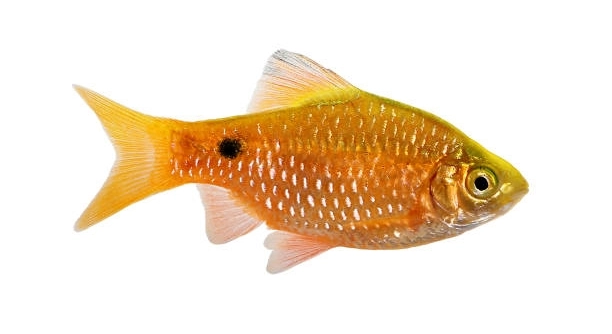
Rosy barbs are popular freshwater fish known for their lively behavior and bright colors. Many aquarium keepers enjoy watching how these fish interact with others in a community tank. Their movement and space preferences often spark interest among hobbyists.
Rosy barbs generally do not understand strict tank boundaries in the way humans define them. They navigate their environment based on social cues and territory but lack precise recognition of fixed spatial limits within the aquarium. Their behavior is more fluid and adaptable rather than boundary-specific.
Observing how rosy barbs respond to their surroundings can help improve tank setups and promote healthier fish interactions. This article explores their natural tendencies and how they relate to tank space management.
How Rosy Barbs Perceive Space in the Aquarium
Rosy barbs move actively through their tank, responding mostly to the presence of other fish and available swimming areas. They do not recognize invisible or marked boundaries like humans do. Instead, they use sight and movement to gauge where others are, often swimming in groups to feel safe. When space becomes crowded, rosy barbs may show signs of stress, such as darting quickly or nipping fins. However, they usually adjust by shifting their position or changing swimming patterns rather than respecting a strict “zone.” Their natural behavior in the wild involves roaming through open areas, so their tank habits reflect that. This makes it important for owners to provide enough space and hiding spots to reduce tension. Watching their behavior closely helps to understand when the tank setup needs adjustment to promote harmony.
Tank size and decoration significantly influence how rosy barbs use the space. Overcrowding often leads to aggression or stress-related illness.
Adding plants and hiding places creates natural breaks in the tank, helping barbs feel more secure and less cramped.
Managing Tank Boundaries for Peaceful Coexistence
Establishing clear tank boundaries for rosy barbs isn’t about strict lines but about creating zones they can naturally recognize. Using plants, rocks, and decorations to break up open areas helps fish feel safer and less territorial. Dividers or barriers can sometimes cause more stress, as they interrupt natural swimming paths. It’s better to use natural tank elements to encourage movement and reduce competition for space.
In community tanks, barbs share their space with other species. It’s important to watch how they interact and make sure there is enough room for all fish to swim comfortably. Providing open swimming zones and shaded areas supports their active nature while minimizing aggressive encounters. Regularly monitoring behavior can prevent problems before they start. Adjusting tank layout as the fish grow or change can also help keep peace. Overall, thoughtful tank design benefits both rosy barbs and their tank mates by balancing freedom and security within the space.
Recognizing Territorial Behavior in Rosy Barbs
Rosy barbs show territorial behavior mainly through chasing and fin nipping, especially when the tank is crowded. They establish loose territories but rarely defend strict boundaries aggressively.
Territorial behavior is usually mild unless the tank is too small or lacks hiding spaces. In cramped conditions, barbs become more aggressive, chasing others to claim preferred spots. This behavior helps them establish social hierarchy but can lead to stress if space is limited. Signs like torn fins or constant chasing indicate territory disputes. Providing enough room and breaks in sight lines helps reduce tension. Sometimes rearranging decorations can disrupt established territories and reset behavior patterns.
Understanding these territorial instincts helps in planning tank size and layout. Fish owners should aim for a balanced environment that offers both open swimming areas and places to retreat. Barbs that feel secure are less likely to show aggressive behaviors and more likely to interact peacefully with other fish.
The Role of Social Dynamics in Tank Boundaries
Rosy barbs rely heavily on social cues to navigate their environment and establish boundaries. They swim in groups, which provides safety and helps reduce stress. Social hierarchy influences their space usage, with dominant fish often claiming preferred areas. Subordinate barbs adapt by staying in less contested zones or hiding.
Group size affects how well boundaries are maintained. Larger groups tend to spread out more, reducing aggression. When kept in small numbers, barbs may become more territorial, increasing conflict. Maintaining a minimum group of five or six encourages natural schooling and reduces boundary disputes. Social behavior in the tank helps maintain a dynamic balance, where fish negotiate space without fixed limits. Owners who observe these interactions can adjust tank conditions to support healthier social structures. This includes regular cleaning, adequate feeding, and careful monitoring of any changes in behavior.
Impact of Tank Size on Rosy Barb Behavior
Tank size directly affects how rosy barbs establish their space and interact. Larger tanks give them more room to swim and avoid conflict. Small tanks increase stress and aggression, as fish compete for limited space.
A tank under 30 gallons often leads to territorial disputes. Providing a minimum of 30 gallons for a small group helps maintain calmer behavior and healthier fish overall.
Using Plants to Define Natural Boundaries
Plants create visual barriers that help rosy barbs feel secure and reduce aggressive encounters. Dense planting offers hiding spots and breaks the line of sight, softening territorial behavior and encouraging peaceful coexistence.
Feeding and Space Control
Feeding routines influence how barbs move within the tank. Regular, even feeding reduces competition over territory near food. Uneven feeding spots may cause barbs to guard specific areas aggressively.
Monitoring Behavior Changes
Watch for sudden shifts in activity or aggression. Changes often signal stress from overcrowding, illness, or poor water conditions needing prompt attention.
FAQ
Do rosy barbs recognize tank boundaries like humans do?
No, rosy barbs do not recognize tank boundaries in a human sense. Their behavior is based on social interactions and available space rather than fixed limits. They use visual and movement cues to navigate the tank, adjusting their swimming patterns based on the presence of other fish and objects.
How much space do rosy barbs need to reduce aggression?
Rosy barbs need a minimum of 30 gallons for a small group of five to six fish. Larger tanks provide more swimming room and reduce competition, which helps lower aggression and stress levels.
Can tank decorations help control territorial behavior?
Yes, decorations such as plants, rocks, and driftwood create natural barriers that break open swimming areas. These help reduce direct confrontations by providing hiding spots and dividing the tank visually, making fish feel more secure.
Is it better to use physical dividers in the tank?
Physical dividers can sometimes cause more stress because they interrupt the natural swimming paths and social interactions. It is generally better to use natural elements like plants and rocks to create zones within the tank.
What signs indicate territorial stress in rosy barbs?
Signs include chasing, fin nipping, darting, and torn fins. Fish may hide more or show erratic swimming if feeling threatened. Observing these behaviors can help you identify when the tank environment needs improvement.
How does group size affect rosy barb behavior?
Larger groups of five or six barbs tend to spread out more evenly, which reduces aggressive encounters. Smaller groups can lead to increased territorial behavior as fish compete more directly for space.
How often should feeding spots be changed?
Feeding in multiple locations helps reduce competition around food. Keeping feeding spots consistent is good, but occasionally varying the locations can prevent any one area from becoming a guarded territory.
Can changes in tank layout reset territorial boundaries?
Yes, rearranging plants and decorations can disrupt established territories and reduce aggression by forcing fish to re-establish social boundaries, often leading to less tension.
Are rosy barbs aggressive toward other species?
Rosy barbs are generally peaceful but may nip fins of slower or long-finned fish. Proper tank size, group numbers, and hiding spots reduce this behavior.
What should I do if rosy barbs show constant aggression?
Evaluate tank size, number of fish, and hiding spots. Increasing space or adding plants often helps. If problems persist, separating overly aggressive individuals might be necessary.
How important is water quality in managing behavior?
Good water quality is crucial. Poor conditions increase stress and aggression. Regular water changes, proper filtration, and monitoring parameters help keep barbs healthy and calm.
Can rosy barbs live well alone or in pairs?
Rosy barbs are schooling fish and do best in groups of five or more. Alone or in pairs, they may become stressed or show more aggression due to lack of social structure.
Do rosy barbs establish permanent territories?
No, their territories are flexible and based on current social dynamics rather than fixed boundaries. They adjust territories depending on group size, tank conditions, and interactions with other fish.
How do rosy barbs react to new tank mates?
They may show temporary aggression or chasing as they establish social hierarchy. Introducing new fish slowly and providing ample space helps ease the transition.
What role do hiding places play in boundary understanding?
Hiding places break visual contact, which can calm fish and reduce territorial disputes. They allow subordinate fish to avoid dominant ones and help maintain balance in the tank.
Is tank lighting a factor in territorial behavior?
Bright or harsh lighting can increase stress and aggression. Providing areas with softer lighting or shaded spots helps fish feel more comfortable and less territorial.
How can I tell if my tank is overcrowded?
Signs include frequent chasing, aggressive behavior, stress marks on fish, and lack of swimming space. Overcrowding leads to poor water quality and increases health problems.
What are the best plants to use for creating natural boundaries?
Fast-growing, dense plants like Java fern, Anubias, and Amazon sword work well. They create visual breaks and provide hiding spots, which help reduce aggression.
Can rosy barbs change their behavior as they grow?
Yes, juvenile barbs are usually less aggressive but may become more territorial as they mature. Tank conditions and social grouping should be adjusted accordingly.
How does water temperature affect territoriality?
Higher temperatures can increase metabolism and activity, sometimes leading to more aggressive behavior. Keeping water within the recommended range helps maintain calmer interactions.
Are there specific signs to watch for when a fish feels stressed due to territory issues?
Yes, stressed fish may hide more, lose appetite, or show rapid breathing. Physical signs include torn fins or faded colors. Prompt action is needed to improve their environment.
Rosy barbs are lively fish that enjoy swimming actively in their tanks. They do not understand strict tank boundaries as humans do but instead rely on social cues and their environment to move around. This means they adjust their space based on the number of fish, available hiding spots, and tank size. Giving them enough room to swim freely is key to reducing stress and aggressive behavior. A well-planned tank setup with plants and decorations can help create natural zones that make rosy barbs feel secure and less likely to compete over territory.
Tank size plays a big role in how rosy barbs behave. Smaller tanks tend to make them more aggressive because they have less space to avoid each other. When the tank is large enough, the fish spread out, and conflicts become less common. It’s important to keep them in groups of at least five or six, as rosy barbs are social fish that feel safer and act calmer in numbers. Providing hiding spots and visual barriers helps break up the space and reduces aggressive encounters. Observing their behavior regularly can help identify any problems early, so changes can be made to keep the fish comfortable.
Understanding how rosy barbs use space and interact with each other can improve their care and tank management. They do not recognize fixed boundaries but respond well to thoughtful tank design and social balance. By giving them enough space, proper group sizes, and natural decorations, you support healthier, happier fish. Keeping an eye on their behavior and water conditions will also help maintain a peaceful aquarium. Overall, creating an environment that respects their natural tendencies leads to a better experience for both the fish and the keeper.

Hello,
If you enjoy the content that we create, please consider saying a "Thank You!" by leaving a tip.
Every little bit helps us continue crafting quality advice that supports the health, happiness, and well-being of pets around the world, for pets of all shapes, sizes, and species.
We really appreciate the kindness and support that you show us!