
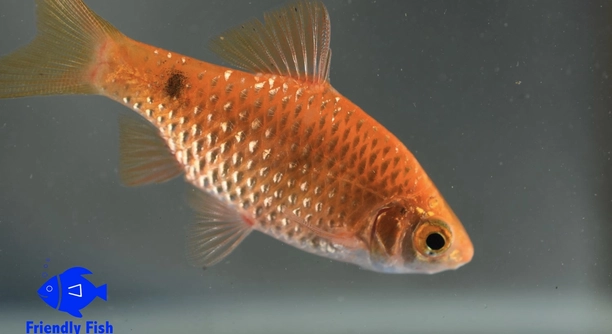
Rosy Barbs often behave differently at night compared to daytime. This change in activity can seem unusual to fish owners who are used to their regular daytime behavior. Understanding these changes can help maintain a healthy environment for your fish.
Rosy Barbs exhibit altered nighttime behavior primarily due to their natural circadian rhythms and environmental cues such as light and temperature changes. These factors influence their activity levels, feeding patterns, and social interactions, causing behaviors that might seem unusual but are typical for the species.
Recognizing these nighttime behaviors helps create a better habitat for your Rosy Barbs and improves your experience as a caretaker.
Changes in Light and Environment
Rosy Barbs are very sensitive to changes in light. As evening approaches, the dimming light signals them to slow down or hide. In a tank, artificial lighting or sudden darkness can confuse their natural rhythm. This can make them act restless or hide more than usual. The environment in the tank also changes at night—temperature can drop slightly, and water movement may slow down. These factors influence how the fish behave. Some Rosy Barbs may swim near the surface more often, while others stick to plants or decorations. It’s important to keep lighting consistent and mimic natural day-night cycles to help them adjust. Avoid sudden lights turning on or off, as this disrupts their patterns and may cause stress. Watching these changes carefully helps you understand when your fish are comfortable or when adjustments in the tank might be needed.
Light changes impact Rosy Barbs’ behavior by signaling rest or activity phases. Consistent lighting reduces stress and confusion.
Tank lighting and environment directly affect Rosy Barbs’ night behavior. If lights are too bright or turn off abruptly, fish may feel threatened. They rely on natural light cycles to maintain balance. Mimicking sunrise and sunset with gradual dimming helps reduce anxiety. Temperature changes, even minor, can affect their metabolism, causing them to slow down. Clean, well-oxygenated water with stable conditions encourages calm behavior at night. Also, providing hiding spots with plants or decorations gives them a safe retreat when they want to rest. By managing these factors, owners can support the natural rhythms of Rosy Barbs and prevent erratic movements or stress-related behaviors during nighttime.
Feeding Habits at Night
Rosy Barbs tend to eat less at night.
Feeding at night is not common for Rosy Barbs since they are diurnal fish, meaning they feed mostly during the day. Their metabolism slows down in the dark, and their digestive system rests. Offering food at night may cause uneaten leftovers, which can harm water quality. If your fish seem restless after feeding, it might be because they expect food but do not get it during night hours. A proper feeding schedule with meals during daylight supports their natural rhythm and keeps them healthy. Overfeeding or feeding late may cause odd activity or aggression among the fish. It’s best to feed in small amounts, two or three times daily, and remove any uneaten food promptly. Observing their behavior helps adjust feeding times to fit their needs and reduce nighttime disturbances.
Social Behavior Changes at Night
Rosy Barbs often group closer together as night falls. This behavior helps them feel safer and reduces stress. They may also become less active or display subtle signs of dominance within the group.
At night, Rosy Barbs’ social dynamics shift. They form tighter schools, which is a natural defense mechanism to avoid potential threats in low light. This close grouping reduces individual vulnerability and helps maintain a sense of security. Less activity and more resting behavior are common during these hours, conserving energy for daytime activity. Occasionally, subtle dominance displays might appear, like chasing or gentle nudging, but these behaviors are usually less intense at night. Understanding these social shifts helps you create a calm tank environment, as overcrowding or stress can disrupt this natural rhythm. Providing enough space and hiding spots encourages healthy social interactions.
These social changes also mean that if you have aggressive fish in the tank, their behavior might intensify at night. Watching group dynamics helps manage any conflicts early. Keeping the group size balanced supports peaceful cohabitation during both day and night.
Stress and Anxiety Factors
Stress in Rosy Barbs can increase significantly at night due to unfamiliar surroundings or noises. Sudden movements or tapping on the glass can trigger anxiety.
Nighttime stress often comes from disturbances that seem less intense during the day but feel more threatening when the fish are resting. Loud noises, vibrations, or flashing lights can startle Rosy Barbs and cause them to hide or swim erratically. Changes in water quality, such as ammonia spikes or low oxygen, tend to impact them more at night, too. Stress weakens their immune system, making them more prone to illness. It’s important to keep the tank environment stable and quiet during nighttime hours. Avoid tapping or sudden disruptions near the tank. Regular water testing and maintenance prevent conditions that increase stress. Observing how your fish react to their environment helps identify potential stressors early and create a peaceful nighttime habitat.
Temperature Fluctuations at Night
Rosy Barbs are sensitive to even small changes in water temperature after dark. Cooler water can slow their movements and make them less active.
Temperature dips at night affect their metabolism, causing them to rest more. If the temperature drops too much, they may become sluggish or seek warmer spots near filters or heaters. Maintaining a stable temperature helps keep their behavior consistent and healthy.
Natural Instincts
Rosy Barbs have instincts that guide their nighttime behavior. They often reduce activity to conserve energy and avoid predators.
This resting phase is normal and important for their well-being. Mimicking natural conditions in the tank supports these instincts and promotes a balanced life for the fish.
Tank Setup and Night Behavior
A well-planned tank setup with hiding places and gentle lighting helps Rosy Barbs feel safe and behave naturally during the night.
Why do my Rosy Barbs swim erratically at night?
Erratic swimming in Rosy Barbs during nighttime is often linked to changes in their environment, such as lighting or water temperature shifts. When the tank lights suddenly turn off or flicker, it can startle them. Also, fluctuations in temperature can cause discomfort, making their movements less smooth. This behavior may also be a response to stress or feeling unsafe, especially if there are loud noises or sudden disturbances nearby. Ensuring a calm environment with gradual lighting changes and stable water conditions helps reduce erratic activity during the night.
How can I make my Rosy Barbs feel safer at night?
Providing plenty of hiding places, like plants and decorations, is key to making Rosy Barbs feel secure after dark. These spots mimic their natural habitat where they would rest safely. Using a dim night light or a timer to simulate sunset and sunrise helps maintain their natural rhythms. Avoid tapping on the glass or sudden loud noises around the tank, as these can increase anxiety. Keeping water parameters stable and the tank clean also supports their overall health and sense of safety.
Is it normal for Rosy Barbs to be less active at night?
Yes, Rosy Barbs are naturally less active at night since they are diurnal fish. Their bodies follow a circadian rhythm, meaning they are active during the day and rest at night. Reduced activity conserves energy and allows their metabolism to slow down. If your fish are hiding or moving slowly after lights out, this is normal behavior. However, if they appear lethargic or refuse to eat during the day, this might signal a health problem.
Why do Rosy Barbs sometimes chase each other more aggressively at night?
At night, limited visibility and the close grouping behavior can increase mild aggression as they establish social order. In dim light, Rosy Barbs may misinterpret movements, triggering chasing or nudging. While this is generally harmless, overcrowding or poor tank conditions can worsen aggression. Ensuring enough space and hiding spots reduces conflicts. Regular monitoring helps catch any serious fights early and prevents injury.
Can feeding Rosy Barbs at night cause problems?
Feeding Rosy Barbs at night is usually not recommended because they naturally eat during daylight hours. Offering food after lights out can result in leftovers that pollute the tank and raise ammonia levels. Uneaten food also encourages algae growth and bacteria, which harm water quality. Sticking to a daytime feeding schedule, with small portions two or three times daily, supports their health and keeps the tank cleaner.
How do I know if my Rosy Barbs are stressed at night?
Signs of nighttime stress include erratic swimming, hiding excessively, or flashing (rubbing against objects). You might also notice changes in color or rapid gill movement. Stress can result from sudden noises, light changes, poor water quality, or aggressive tankmates. Regular water testing, minimizing disruptions near the tank, and providing a calm environment all reduce stress. If stress continues, check for illness or injury.
Does tank size affect Rosy Barbs’ nighttime behavior?
Tank size plays a role in how comfortable Rosy Barbs feel, especially at night. A small or overcrowded tank can increase stress and aggressive behavior after dark. Adequate swimming space and enough hiding spots allow natural resting behavior. Larger tanks with stable conditions tend to encourage calmer, more natural night activity. Aim for at least 20 gallons for a small group to keep them balanced and healthy.
What lighting setup works best for Rosy Barbs at night?
A gradual dimming light cycle works best for Rosy Barbs to simulate natural dusk and dawn. Using a timer to turn off lights slowly reduces sudden darkness, which can stress them. Low-intensity blue or red night lights can provide some illumination without disturbing their rest. Avoid bright or flickering lights overnight. Proper lighting supports their circadian rhythm and keeps nighttime behavior steady.
Can changes in water quality cause strange behavior at night?
Yes, poor water quality can trigger unusual nighttime activity or stress. High ammonia, nitrite, or nitrate levels make Rosy Barbs uncomfortable and can cause erratic swimming or hiding. Cooler nighttime temperatures may worsen these effects. Regular water testing and maintenance, including partial water changes, keep conditions stable and prevent health issues. Clear, clean water promotes normal behavior day and night.
Are Rosy Barbs more vulnerable to predators at night?
In a home aquarium, predators are usually not a concern, but Rosy Barbs’ instinct to hide at night comes from natural vulnerability in the wild. This leads to grouping tightly and seeking shelter after dark. Providing plenty of plants and safe spaces helps them feel secure and mimics their natural survival behaviors. Even without real predators, honoring these instincts improves their well-being.
Understanding why Rosy Barbs behave differently at night can help you provide a better environment for your fish. Their nighttime actions, such as hiding more, swimming less, or grouping closely, are mostly natural responses to changes in light, temperature, and social dynamics. These behaviors are part of their instincts and help them feel safe and conserve energy. Recognizing these normal patterns prevents unnecessary worry and helps you care for your fish more effectively.
Maintaining stable conditions in the tank is key to supporting your Rosy Barbs’ health and comfort. Consistent lighting that mimics natural day and night cycles helps keep their circadian rhythm steady. Avoiding sudden lights on or off reduces stress. Temperature should stay stable, as even small drops at night can make them sluggish or restless. Providing plenty of plants and decorations gives them places to hide and feel secure. A clean tank with balanced water quality further reduces anxiety and promotes healthy behavior. Watching your fish closely will help you notice when something is out of the ordinary and needs attention.
Nighttime behaviors can sometimes seem strange, but they are usually normal and harmless. Changes in activity, mild aggression, or brief erratic swimming often reflect how Rosy Barbs adapt to their environment. Feeding should remain within daylight hours to avoid water issues and support their natural habits. Stress and discomfort can be reduced by minimizing disturbances near the tank, ensuring enough space, and offering hiding spots. Overall, understanding these factors allows you to create a calm, safe habitat where your Rosy Barbs can thrive both day and night.

Hello,
If you enjoy the content that we create, please consider saying a "Thank You!" by leaving a tip.
Every little bit helps us continue crafting quality advice that supports the health, happiness, and well-being of pets around the world, for pets of all shapes, sizes, and species.
We really appreciate the kindness and support that you show us!