
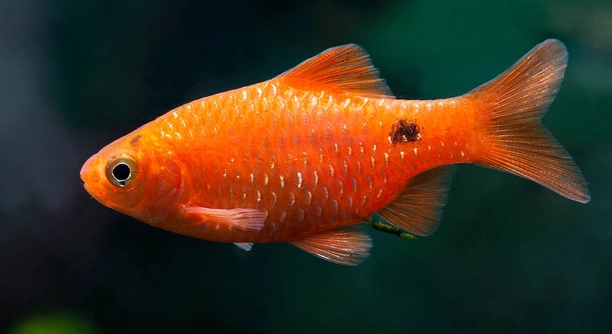
Rosy barbs are popular aquarium fish known for their lively behavior and bright colors. Many owners notice these fish often swim in circles, which can be both fascinating and puzzling to watch. Understanding why they do this helps improve their care and environment.
The circular swimming behavior of rosy barbs is typically a sign of social interaction, territorial behavior, or environmental stress. It may also indicate a need for stimulation in their tank, prompting repetitive movement patterns that help them cope with their surroundings.
Recognizing these behaviors allows fish owners to create a healthier habitat and ensure the well-being of their rosy barbs. The following sections explain the causes and what you can do about it.
Social Interaction Among Rosy Barbs
Rosy barbs are naturally social fish that thrive when kept in groups. Swimming in circles is often a way they communicate and establish social order within their tank. When they swim together in circular patterns, it can show bonding or mild competition. This behavior helps them feel secure and reduces stress. It is important to keep at least five or six rosy barbs together so they have company and engage in natural activities. Without enough companions, they might become anxious or display abnormal behaviors like constant pacing or hiding. Observing their social patterns helps you understand if the tank environment suits their needs or if adjustments are necessary. Providing enough space and hiding spots encourages healthy interaction among the fish. Watching their swimming routines gives clues about their mood and social standing, helping you keep the group balanced and happy.
Social swimming strengthens bonds and helps prevent loneliness and aggression.
Maintaining the right number of rosy barbs in a spacious tank with decorations that mimic their natural habitat supports their social behavior. When fish swim in circles calmly, it usually indicates a stable group dynamic. If one fish swims aggressively in circles, it might be trying to assert dominance or stress due to overcrowding. Ensuring your tank is neither too crowded nor too empty is key to avoiding such tension. Adding plants, rocks, or ornaments provides visual barriers that reduce stress by breaking sight lines, which can calm overly competitive fish. In the end, promoting social harmony through tank setup and group size creates an environment where rosy barbs swim freely and interact naturally.
Environmental Stress and Circular Swimming
Environmental stress can cause rosy barbs to swim in circles as a coping mechanism.
Stress may come from poor water quality, improper temperature, or sudden changes in their surroundings. Fish rely on stable conditions to feel safe, and disruptions can lead to repetitive behaviors. Monitoring water parameters regularly is crucial to avoid stress. Clean water with balanced pH, temperature around 68-72°F, and sufficient oxygen levels prevent discomfort. Noise, vibrations, or bright lights can also disturb them, so keeping the tank in a calm area matters. Stress not only causes circular swimming but can weaken their immune system, making them prone to illness. Observing these behaviors early helps prevent bigger health problems and keeps the fish active and healthy.
When rosy barbs swim in circles due to stress, it signals that their environment needs attention. Sudden movements, aggressive tank mates, or overcrowding can increase stress levels and force the fish into repetitive swimming patterns. Improving filtration, maintaining regular water changes, and controlling light exposure helps reduce stress. It’s also helpful to keep the tank in a quiet space away from heavy foot traffic or loud noises. Adjusting the environment to suit their natural preferences allows rosy barbs to swim normally and enjoy a peaceful habitat. By addressing stressors, you support their well-being and prevent behavioral issues from worsening over time.
Territorial Behavior in Rosy Barbs
Territorial instincts can cause rosy barbs to swim in circles aggressively. This behavior is more common in crowded tanks.
When space is limited, some fish swim in patterns to mark their territory and warn others to stay away. This can lead to stress and fights if the tank is too small or overstocked. Providing enough room and hiding places reduces aggressive swimming and helps maintain peace. Rosy barbs often chase rivals while circling to assert control over their preferred areas.
Keeping an eye on tank size and fish numbers is essential to prevent territorial disputes. Adding plants or decorations can create natural boundaries. If aggressive behavior persists, separating overly dominant fish might be necessary to protect the group’s harmony and ensure every fish has its own space to swim comfortably.
Stimulation and Repetitive Swimming
Lack of stimulation can result in repetitive circular swimming among rosy barbs.
Rosy barbs are active fish that need variety in their environment to stay engaged. A bare tank without plants, rocks, or decorations often causes boredom, leading to repetitive movement. They may swim in circles as a form of mental and physical exercise when there is nothing else to do. Adding enrichment elements like live plants and hiding spots encourages natural behaviors and keeps them busy.
Introducing mild water currents can also help simulate their natural habitat, providing additional stimulation. Feeding a varied diet and interacting with your fish during feeding times can reduce repetitive swimming. These small changes improve the fish’s quality of life and reduce signs of boredom or stress. A well-stimulated rosy barb will display more natural and relaxed swimming patterns.
Health Issues and Swimming Patterns
Sometimes, swimming in circles can signal health problems in rosy barbs.
Illnesses like swim bladder disorder or parasites can affect their movement. Watching for other symptoms is important to catch issues early.
Swim Bladder Disorder in Rosy Barbs
Swim bladder disorder impacts a fish’s ability to control buoyancy, often causing erratic or circular swimming. This condition can result from overfeeding, constipation, or bacterial infections. Affected fish may struggle to maintain balance or float unevenly. To help, reduce feeding amounts and offer high-fiber foods like peas to relieve constipation. Keeping the tank clean and stable reduces the risk of infection. If symptoms persist, consulting an aquatic veterinarian or using appropriate treatments is recommended. Early care improves the chances of recovery and helps restore normal swimming behavior.
Tank Size and Its Effect on Swimming
A tank that is too small restricts natural movement and encourages repetitive swimming.
FAQ
Why do rosy barbs swim in circles all the time?
Rosy barbs swim in circles mainly because of social behavior, stress, or environmental factors. Swimming in circles can be a way they communicate with each other or establish territory. Sometimes, it’s a sign of boredom or lack of stimulation in the tank. If water conditions are poor or there is overcrowding, this behavior may increase. It’s important to check tank size, water quality, and the number of fish to ensure they are comfortable. Addressing these factors often reduces repetitive circular swimming.
Is circular swimming a sign of illness in rosy barbs?
Yes, circular swimming can indicate health issues like swim bladder disorder or parasites. When fish lose control over their buoyancy, they often swim in circles or struggle to maintain balance. Other signs of illness include clamped fins, loss of appetite, or discoloration. If you notice such symptoms, improve water quality and consider consulting a specialist. Early treatment helps prevent worsening health problems.
How much space do rosy barbs need to swim naturally?
Rosy barbs need at least 20 gallons for a small group, ideally more to allow free swimming. They are active swimmers that enjoy open space and hiding spots. A cramped tank limits their movement and can increase stress, leading to repetitive behaviors. Providing a spacious, well-decorated tank supports healthy swimming and social interaction.
Can overcrowding cause rosy barbs to swim in circles?
Overcrowding is a common reason for circular swimming caused by territorial disputes and stress. When too many fish are packed together, they compete for space and resources. This competition can trigger aggressive or repetitive swimming patterns. Reducing the number of fish or upgrading to a larger tank helps prevent overcrowding and promotes peaceful swimming.
Does tank decoration affect rosy barbs’ swimming behavior?
Yes, tank decorations can influence their behavior. A bare tank can lead to boredom and repetitive swimming, while plants, rocks, and hiding places provide stimulation and reduce stress. Decorations create natural barriers that break line of sight, helping to lower aggression and territorial behavior. Adding variety to the tank encourages exploration and natural movement.
What water conditions are best to prevent stress-related swimming issues?
Maintaining stable water temperature between 68-72°F, a neutral pH around 7.0, and clean water with regular changes reduces stress. Poor water quality causes discomfort and abnormal behaviors like circling. Good filtration, oxygenation, and minimal noise around the tank also contribute to a calm environment where rosy barbs can swim naturally.
How can I help my rosy barbs if they swim in circles due to boredom?
Adding plants, decorations, and gentle water currents provides mental and physical stimulation. Feeding varied diets and interacting during feeding time also helps keep them active and engaged. Changing the tank layout occasionally can spark curiosity. These steps reduce boredom and repetitive swimming, encouraging healthier behavior.
When should I consider separating aggressive rosy barbs?
If you notice constant chasing, fin nipping, or one fish dominating the swimming area, it may be necessary to separate aggressive individuals. Aggression increases stress and can injure weaker fish. Providing enough space and hiding places usually helps, but sometimes isolating a dominant fish prevents harm and restores group harmony.
Can diet affect the swimming behavior of rosy barbs?
Yes, diet plays a role in their overall health and activity. Overfeeding or poor-quality food can cause constipation or swim bladder problems, leading to unusual swimming like circling. Feeding balanced, high-quality food in moderation and including fiber-rich treats like peas supports digestion and healthy movement.
Are there signs that swimming in circles is normal versus problematic?
Normal circular swimming is usually calm and part of social behavior or exploration. Problematic circling tends to be frantic, constant, or paired with other symptoms like lethargy or loss of appetite. Monitoring your fish’s overall condition helps distinguish between natural behavior and signs of distress or illness.
Final thoughts on why rosy barbs swim in circles focus on understanding their behavior as a mix of natural instincts and environmental factors. These fish are social creatures that often use circular swimming to communicate or interact with each other. It is normal to see them swim in groups or form patterns as part of their social structure. However, this behavior can also point to issues like stress, boredom, or health problems. Observing the context in which they swim in circles is important to know if any changes are needed in their care.
Ensuring a suitable environment is key to supporting healthy swimming habits in rosy barbs. Providing a spacious tank with plenty of hiding spots and decorations helps reduce stress and encourages natural behavior. Good water quality, stable temperature, and proper tank maintenance prevent discomfort that may cause repetitive swimming. Group size also matters; keeping enough fish together allows them to engage socially without overcrowding. Feeding a balanced diet and monitoring their health regularly can catch problems early, avoiding unnecessary suffering. Making small adjustments based on their behavior helps keep rosy barbs comfortable and active.
Overall, recognizing why rosy barbs swim in circles helps improve their well-being and tank conditions. Not all circular swimming is negative; it often reflects their personality and interactions. But when it becomes excessive or paired with other symptoms, it may signal a need for attention. Taking steps to optimize their environment and care will lead to happier, healthier fish. With patience and observation, it is possible to create a home where rosy barbs swim naturally and thrive without stress or illness affecting their movement.

Hello,
If you enjoy the content that we create, please consider saying a "Thank You!" by leaving a tip.
Every little bit helps us continue crafting quality advice that supports the health, happiness, and well-being of pets around the world, for pets of all shapes, sizes, and species.
We really appreciate the kindness and support that you show us!