
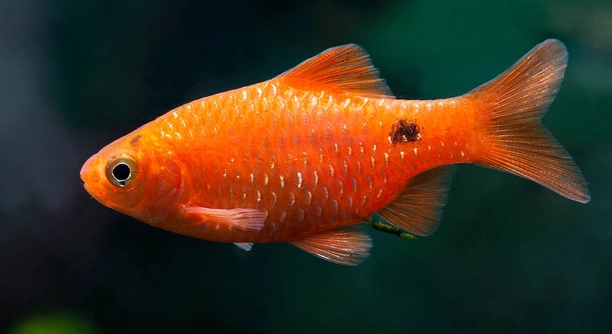
Rosy Barbs are popular freshwater fish known for their lively colors and active behavior. They are a favorite among aquarium enthusiasts who enjoy vibrant and hardy fish. Their unique traits set them apart in home tanks everywhere.
Rosy Barbs display a combination of distinct physical and behavioral characteristics, including vibrant coloration, schooling tendencies, adaptability to various water conditions, and peaceful yet energetic nature. These traits contribute to their popularity and make them unique among tropical fish species.
Learning about these traits will help you better appreciate and care for Rosy Barbs in your aquarium. Their distinct qualities make them a fascinating addition to any fish collection.
Vibrant Coloration
Rosy Barbs are known for their striking pink to reddish hues that brighten any aquarium. This color can deepen during breeding or when the fish are in good health. Their shimmering scales catch light beautifully, making them stand out among other species. The males tend to show more intense colors, especially during mating seasons, while females usually have a softer shade. This vivid coloration adds a lively touch and helps create an engaging display in the tank. Maintaining water quality and providing a balanced diet enhances their colors, keeping them vibrant over time. These fish naturally prefer moderate lighting, which helps their colors shine without causing stress. Their color patterns can vary slightly based on genetics and environment, but overall, their rosy tint remains a defining trait that aquarium keepers admire.
Strong coloration in Rosy Barbs signals good health and readiness to breed, contributing to their appeal in home aquariums.
Their bright colors also play a role in social interactions within the school, helping Rosy Barbs communicate and maintain group cohesion.
Schooling Behavior
Rosy Barbs naturally form schools, which provide them comfort and protection. They feel safer moving in groups and show more active behavior when surrounded by others. Keeping them in groups of at least six helps reduce stress and aggressive tendencies, making for a peaceful tank environment. Schooling also encourages natural swimming patterns and exercise, promoting overall well-being. When kept alone, Rosy Barbs may become shy or less active. Their social nature means they often synchronize movements, creating a captivating visual effect. Observing a healthy school is rewarding because their interactions display a balance of hierarchy and cooperation. Providing enough space for a group is important to allow their behavior to develop naturally and avoid overcrowding that could lead to tension.
Maintaining a proper group size ensures Rosy Barbs thrive and remain lively companions in the aquarium.
The schooling instinct also supports their feeding habits, as they tend to feed more confidently and efficiently when in groups.
Adaptability to Water Conditions
Rosy Barbs can live comfortably in a range of water conditions. They tolerate both slightly acidic and alkaline water, which makes them easier to keep than some other tropical fish. They thrive in temperatures between 64°F and 72°F.
This adaptability means they can adjust to various tank setups and water qualities, as long as changes are gradual. They do well in community tanks where conditions may fluctuate a bit, but sudden shifts in temperature or pH should be avoided to prevent stress. Their hardiness makes them suitable for beginners who want a resilient fish that can handle typical aquarium variations without much trouble.
Regular monitoring of water parameters ensures Rosy Barbs remain healthy and active. Stable conditions paired with good filtration help reduce disease risks, allowing these fish to show their best behavior and colors. Their adaptability is a key reason they stay popular among many fish keepers.
Peaceful Yet Energetic Nature
Rosy Barbs are peaceful fish but also quite active swimmers. They rarely show aggression, which makes them compatible with many other species. Their energy keeps the tank lively without causing harm.
Their natural curiosity drives them to explore their surroundings, constantly moving and interacting with tank mates. This energetic behavior is balanced by their generally calm temperament, allowing them to coexist peacefully in community setups. Although they swim actively, they don’t typically chase or nip at other fish, making them a good choice for peaceful tanks. However, providing enough space is important to support their movement and prevent overcrowding, which can lead to stress. Their lively presence adds interest and motion to any aquarium, creating a pleasant atmosphere.
This balance between energy and calmness makes Rosy Barbs a well-rounded addition to community tanks. Their friendly nature and constant activity keep the aquarium environment dynamic without causing disruption.
Size and Growth
Rosy Barbs typically grow to about 4 inches in length. Their size makes them suitable for medium-sized tanks, providing enough space for swimming without overcrowding.
Growth rate is steady, and they reach full size within a year under good care. Proper diet and clean water support healthy development.
Diet and Feeding
Rosy Barbs are omnivores, enjoying a varied diet that includes flakes, pellets, and live or frozen foods. This variety keeps them healthy and vibrant.
Feeding small amounts two to three times daily prevents overfeeding. Including occasional protein-rich treats encourages natural hunting behaviors and supports their energy levels.
Breeding Habits
Rosy Barbs breed relatively easily in home aquariums. Males display brighter colors and court females with gentle chasing during spawning.
They scatter eggs among plants, and adults do not guard the eggs. Removing adults after spawning increases fry survival, as adults may eat the eggs.
Lifespan
Rosy Barbs can live up to five years with proper care. Their lifespan depends on water quality, diet, and tank conditions.
FAQ
What size tank do Rosy Barbs need?
Rosy Barbs need at least a 20-gallon tank to thrive comfortably. Since they are active swimmers and prefer schooling, a larger tank allows enough space for groups of six or more. A roomy tank helps reduce stress and prevents aggressive behavior caused by overcrowding.
Are Rosy Barbs good for community tanks?
Yes, Rosy Barbs generally do well in community tanks with peaceful fish of similar size. They are lively but not overly aggressive. Avoid keeping them with very slow or long-finned fish, as Rosy Barbs may nip fins occasionally. Proper group size and tank space also reduce conflicts.
What water temperature is best for Rosy Barbs?
Rosy Barbs thrive in temperatures between 64°F and 72°F (18°C to 22°C). They prefer cooler water compared to many tropical fish. Maintaining stable temperatures within this range supports their health and color. Avoid sudden temperature changes to prevent stress.
How often should I feed Rosy Barbs?
Feed Rosy Barbs two to three times daily with small portions. Overfeeding can pollute the tank and harm water quality. A varied diet of flakes, pellets, and occasional live or frozen foods keeps them healthy and vibrant. Remove uneaten food after a few minutes.
Can Rosy Barbs live with goldfish?
Rosy Barbs can live with goldfish if the tank is large enough and water conditions suit both species. Both prefer cooler water, making them compatible in temperature. However, watch for fin-nipping, as Rosy Barbs may sometimes nip at goldfish fins if stressed or overcrowded.
How do I know if my Rosy Barb is healthy?
Healthy Rosy Barbs show bright colors, active swimming, and clear eyes. They eat regularly and interact well with tank mates. Watch for signs like faded color, lethargy, clamped fins, or unusual spots, which may indicate illness. Good water quality helps maintain their health.
Are Rosy Barbs easy to breed?
Yes, Rosy Barbs breed readily in home aquariums. Providing plenty of plants and slightly warmer water encourages spawning. Males become more colorful and chase females gently. After eggs are laid, adults should be removed to protect the eggs from being eaten.
What plants work well in a Rosy Barb tank?
Hardy plants like Java fern, Anubias, and Hornwort suit Rosy Barb tanks. These plants tolerate a wide range of water conditions and provide good cover for fry. Floating plants also help diffuse light and create a natural environment, reducing stress.
Do Rosy Barbs need special lighting?
Rosy Barbs do well under moderate aquarium lighting. Bright lighting can enhance their colors but should not be too intense to avoid stress. Natural daylight cycles or timers help keep their environment stable and support healthy behavior.
What common diseases affect Rosy Barbs?
Rosy Barbs are prone to common freshwater diseases like ich, fin rot, and fungal infections if water quality is poor. Maintaining clean water, regular tank maintenance, and quarantine of new fish reduce risks. Early treatment with appropriate medications prevents serious health problems.
How can I prevent fin-nipping in Rosy Barbs?
Keeping Rosy Barbs in groups of six or more minimizes fin-nipping, as it spreads out aggression. Providing ample swimming space and hiding spots also helps reduce stress and competition. Avoid overcrowding and incompatible tank mates to maintain harmony.
What is the best substrate for a Rosy Barb tank?
Fine gravel or sand substrates work well for Rosy Barbs. These substrates are easy to clean and support plant roots. Avoid sharp or rough substrates that could injure the fish during active swimming.
How often should I change water in a Rosy Barb aquarium?
Perform a 20-25% water change weekly to keep the tank clean and stable. Regular changes remove waste and toxins, maintaining healthy water conditions. Always treat tap water to remove chlorine before adding it to the tank.
Can Rosy Barbs tolerate low oxygen levels?
Rosy Barbs prefer well-oxygenated water but can tolerate moderate oxygen levels. Proper filtration and water movement help maintain oxygen. Avoid overcrowding and poor water quality to prevent oxygen depletion, which can stress or harm the fish.
What is the lifespan of a Rosy Barb?
With proper care, Rosy Barbs live about 4 to 5 years. Good water quality, a balanced diet, and a stress-free environment contribute to their longevity. Regular monitoring and prompt treatment of illnesses help extend their life.
Are Rosy Barbs aggressive toward other fish?
Rosy Barbs are mostly peaceful but may show mild aggression within their group, especially males during breeding. This behavior is usually not harmful if the tank is spacious and they are kept in a proper school size. They rarely attack other species.
How can I encourage Rosy Barbs to breed?
Increase the water temperature slightly to around 72°F and provide plenty of plants or spawning mops. Feed high-quality live or frozen foods to boost conditioning. After spawning, separate adults to protect eggs and improve fry survival.
Is it necessary to quarantine new Rosy Barbs?
Yes, quarantining new fish before adding them to the main tank helps prevent disease introduction. A quarantine period of at least two weeks allows observation and treatment of any illnesses before mixing with established fish.
Can Rosy Barbs live alone?
Rosy Barbs are social fish and do best in groups. Keeping them alone can cause stress, leading to poor health and dull colors. A small school encourages natural behavior and improves overall well-being.
What tank mates should be avoided with Rosy Barbs?
Avoid slow-moving, long-finned fish like bettas or angelfish, as Rosy Barbs may nip at their fins. Also, aggressive or territorial species may cause conflicts. Choose peaceful, similarly sized fish to maintain a calm community tank.
Rosy Barbs are a great choice for many aquarium keepers due to their vibrant colors, hardiness, and active nature. Their ability to adapt to a variety of water conditions makes them easier to care for than some other tropical fish. They bring movement and brightness to tanks without requiring overly specialized care. When kept in proper groups and conditions, Rosy Barbs tend to thrive and display their best qualities. Their schooling behavior and peaceful temperament make them a pleasant addition to community tanks, where they add energy without causing stress to other fish.
Caring for Rosy Barbs involves attention to their environment, diet, and social needs. Providing a tank of at least 20 gallons with clean, well-filtered water is important. They do best when kept with others of their kind, so a group of six or more helps maintain their natural behaviors and reduces any fin-nipping tendencies. Their diet should be varied and balanced, including high-quality flakes, pellets, and occasional live or frozen foods. Feeding them the right amount, without overfeeding, keeps the water quality stable and supports their health. Monitoring water temperature and quality regularly ensures the fish remain healthy and vibrant over time.
Overall, Rosy Barbs offer a balance of beauty and resilience. Their size and lively personality suit many aquariums, especially for those who want an active but peaceful fish. With consistent care and the right environment, they can live for several years, providing enjoyment and visual appeal. Their unique traits, such as schooling behavior, adaptability, and coloration, contribute to their lasting popularity among fish keepers. Taking the time to meet their needs pays off with healthy, colorful, and engaging fish that enrich any tank setting.

Hello,
If you enjoy the content that we create, please consider saying a "Thank You!" by leaving a tip.
Every little bit helps us continue crafting quality advice that supports the health, happiness, and well-being of pets around the world, for pets of all shapes, sizes, and species.
We really appreciate the kindness and support that you show us!