
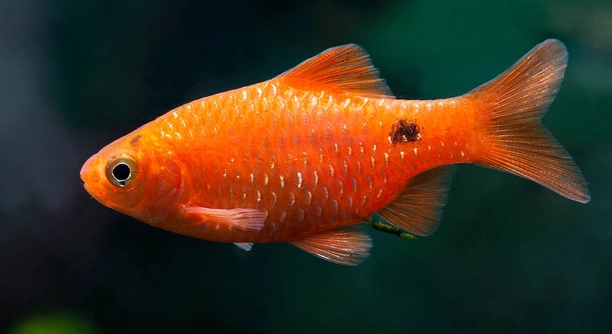
Are your Rosy Barbs constantly chasing each other, stirring up the tank, and stressing out your other fish? This behavior can be frustrating, especially when you’re trying to maintain a peaceful aquarium environment at home.
The most effective way to calm down rowdy Rosy Barbs is by adjusting their environment and social structure. Providing a larger tank, keeping them in proper group sizes, and adding plants or decor can reduce aggressive behaviors and promote calmer interactions.
Understanding the cause of their hyperactivity can help you create a more stable space for your fish to thrive.
Keep Them in the Right Group Size
Rosy Barbs are schooling fish and feel safer in groups. Keeping too few can make them anxious or overly aggressive. A group of at least six helps them establish a social structure, which naturally reduces stress and chasing behaviors. When kept in proper numbers, they interact more predictably and display less erratic swimming. Small groups can cause one or two to become territorial or dominant, leading to nonstop chasing. If you notice one fish constantly nipping at the others, check your group size first. Adding a few more Rosy Barbs often balances things out quickly. Make sure your tank is large enough to support a group of this size without crowding. You’ll notice a difference not just in behavior, but also in how vibrant their colors become. A well-sized group will usually settle into a calmer, more playful rhythm that’s easier for other tank mates to handle.
Adding more fish to reach the right group size can lower tension and restore balance in the tank.
If you’ve only got three or four Rosy Barbs, try increasing the group gradually. Make sure you add fish of similar size to prevent bullying. Quarantine new additions before introducing them. You might also notice the entire group schooling more closely, which is a good sign they feel secure. Keeping the right numbers prevents them from becoming territorial and helps the group stay active without overwhelming the tank. Always keep an eye on space and water quality when increasing numbers. Too many fish in a small tank can bring on a new set of problems.
Create a Spacious Environment
A small tank can make even peaceful fish act out. Rosy Barbs are active swimmers and need plenty of room to stretch out.
Aim for a tank that’s at least 30 gallons for a group of six. Rosy Barbs love to dart across the tank, and tight spaces lead to frustration. When they don’t have room to swim freely, they bump into each other more, which triggers chasing and occasional fin-nipping. By upgrading to a spacious tank, you give them room to move without conflict. Long tanks are better than tall ones, since they offer more horizontal swimming space. If your tank already meets the size recommendation, consider how much open water is available. Decorations, plants, and equipment can take up valuable room. Rearranging decor to create more swimming lanes can sometimes calm things down. Open areas let them swim without feeling boxed in, while still offering safe spots to hide when needed. A well-balanced layout can improve group behavior without much effort.
Add Plants and Decorations
Plants and decorations help break up lines of sight, which can reduce chasing. They also give less dominant fish safe places to hide when things get tense.
Using tall plants like hornwort or water wisteria creates vertical shelter, while bushy ones like Java fern help block aggressive swimming paths. Driftwood, rock caves, or even small terracotta pots can act as boundaries in the tank. Rosy Barbs tend to calm down when they have areas to explore and rest. Keep decorations well-placed to avoid cluttering swimming space. A mix of open water and hiding spots works best. Try arranging plants in clusters along the edges and corners, which helps create territories without cutting off movement. Rearranging decor every few weeks can also reset aggression patterns, especially if one fish is becoming dominant over a specific zone.
Adding cover can change how your Rosy Barbs interact throughout the day. Shy fish may start venturing out more, while aggressive fish often calm down once they no longer feel in control of the entire tank. Floating plants can reduce light and give a more secure feeling. Even small visual barriers can have a big effect. You don’t need to turn the tank into a jungle—just be thoughtful about layout. A few well-placed hiding spots can lead to more peaceful behavior over time.
Reduce External Stressors
Loud noises, bright lights, and sudden movement around the tank can keep Rosy Barbs in a constant state of alertness. Reducing outside stress helps them settle down faster.
Position the tank away from heavy foot traffic, noisy areas, or direct sunlight. Use a soft light timer to mimic a calm day-night cycle. When the light schedule is consistent, fish begin to feel safe in their environment. A background on the tank can block out sudden motion and make the space feel more enclosed. Consider adding a sponge filter or quieter equipment to reduce vibrations. If you often walk past the tank or open windows nearby, try setting up a barrier or curtain to lessen motion. These small adjustments may seem minor, but Rosy Barbs notice everything happening outside the glass. When the room feels steady and predictable, they often become calmer and swim more freely without acting up.
Feed Them at Regular Times
Feeding at consistent times can help reduce aggressive behavior caused by anticipation or food competition. When Rosy Barbs know when to expect food, they become less frantic and don’t chase each other out of hunger or stress.
Stick to two small meals a day and avoid overfeeding. Too much food can cloud the water and cause health issues, which may lead to more agitation. Use floating pellets or flakes that spread out so all fish get a fair chance to eat. Watching their feeding habits can also help you spot other issues early.
Avoid Mixing with Aggressive Species
Rosy Barbs can become even rowdier when kept with nippy or dominant fish. Avoid adding aggressive tank mates that compete for space or provoke chasing. Choose peaceful species like Corydoras, Platies, or larger Tetras that won’t challenge their energy. Tank harmony often depends on choosing the right mix.
Keep Water Quality Stable
Poor water quality leads to stress, and stress leads to erratic behavior. Keep ammonia and nitrite at zero, and do weekly water changes to maintain healthy conditions. A reliable filter, stable temperature, and proper pH make a big difference in how your Rosy Barbs behave day to day.
FAQ
Why are my Rosy Barbs always chasing each other?
Chasing is common in Rosy Barbs, especially when they’re kept in small groups or crowded tanks. It can be a mix of social interaction, mating behavior, or stress. If the chasing seems constant or aggressive, it’s often due to limited space, lack of hiding spots, or an imbalance in group dynamics. Make sure you’re keeping them in a group of at least six, and that your tank is large enough for their size and activity level. Adding plants, decor, and breaking up open spaces can help reduce chasing by giving them more structure and privacy.
Are Rosy Barbs aggressive fish?
Rosy Barbs are not naturally aggressive, but they are highly active and can become pushy in the wrong setup. If they don’t have enough space or companions, they might nip fins or stress out slower fish. Their behavior often improves when kept in proper school sizes, ideally six or more. A large tank with room to swim and explore helps keep their energy balanced. They do best with other quick-moving or similarly sized fish. Avoid slow or long-finned tank mates, like Bettas or fancy Guppies, since Rosy Barbs may bother them even without meaning harm.
Can Rosy Barbs live with other types of fish?
Yes, Rosy Barbs can live with many peaceful, fast-moving fish. Good tank mates include Zebra Danios, Mollies, Platies, and certain types of Tetras. Avoid placing them with slow swimmers, long-finned fish, or overly territorial species. Rosy Barbs like to explore and dart around, which can overwhelm less active species. Always monitor new combinations and be ready to separate them if one group seems stressed or picked on. Choose species with similar water requirements and activity levels to keep the tank peaceful. Compatibility also improves when the tank is well-planted and spacious.
What tank size is best for Rosy Barbs?
A 30-gallon tank is the minimum recommended size for a group of six Rosy Barbs. They are fast swimmers and need plenty of horizontal space. The more room they have, the calmer they tend to be. If you plan to add other species, consider a larger tank—something in the 40–55 gallon range works well. Always focus on length rather than height when choosing a tank for them, since they prefer swimming side to side. Keep an eye on filtration and water flow to match their active nature without stressing them out.
Why do Rosy Barbs sometimes lose color?
Faded color can be a sign of stress, illness, or poor water conditions. Check your water parameters first—high ammonia or nitrite levels can quickly affect their health. Stress from bullying, lack of space, or inconsistent feeding can also lead to dull colors. A balanced diet, proper lighting, and stable conditions usually help bring their color back. If one fish looks dull but is still active and eating, observe for any other signs of illness. Treating early makes a big difference. Also, males may naturally fade a bit outside of breeding season.
How can I calm a single aggressive Rosy Barb?
First, check your group size—Rosy Barbs are less aggressive when kept in schools of six or more. If one fish is still chasing nonstop, rearrange the tank decor to break up territory. Sometimes a dominant fish takes over a specific spot, and a layout change can reset their behavior. You might also try isolating the aggressive fish for a few days, then reintroducing it. This can reduce its dominance. Lastly, make sure it’s not reacting to external stressors like loud noises, sudden movement, or bright lights outside the tank.
What should I feed Rosy Barbs to keep them healthy and calm?
Feed them a balanced diet that includes high-quality flakes or pellets, along with occasional treats like bloodworms, daphnia, or blanched vegetables. Variety helps meet their nutritional needs and keeps them active without aggression caused by poor diet. Feeding them at regular times also helps reduce tension. If they’re well-fed and not competing for food, you’ll likely see calmer behavior during the rest of the day. Avoid overfeeding, as excess food can lead to water issues and increased stress in the tank. Keep meals small, consistent, and easy to digest.
Final Thoughts
Caring for Rosy Barbs can be enjoyable, but their high energy sometimes makes them tricky to manage. When they get rowdy, it often comes down to tank setup, group size, or stress in their environment. These fish are not aggressive by nature, but they do have a lot of energy. Giving them space, structure, and a calm setting can make a big difference. It doesn’t take expensive equipment or complex changes—just thoughtful care and consistency. When their needs are met, Rosy Barbs usually become peaceful, colorful additions to your aquarium.
Every tank is different, so it’s important to pay attention to how your fish behave from day to day. If chasing or fin-nipping continues, look at things like water quality, noise levels, and tank mates. Even something as simple as rearranging plants or adjusting the lighting can shift their behavior. Observing your fish closely will help you understand what they need. Most of the time, their behavior is a reaction to something off in the environment. Calm fish are often a sign of a well-balanced tank, so small improvements often lead to better results.
Rosy Barbs do best when their natural instincts are supported. They enjoy swimming, schooling, and exploring their space. Giving them the right conditions helps bring out their best behavior and most vibrant colors. Whether you’re new to fishkeeping or have years of experience, it’s worth taking the time to meet their needs. The reward is a more peaceful tank and healthier fish. Keep things simple, stay consistent, and pay attention to what works. With a little care, even the rowdiest Rosy Barbs can become calm, active swimmers in a well-balanced setup.

Hello,
If you enjoy the content that we create, please consider saying a "Thank You!" by leaving a tip.
Every little bit helps us continue crafting quality advice that supports the health, happiness, and well-being of pets around the world, for pets of all shapes, sizes, and species.
We really appreciate the kindness and support that you show us!