
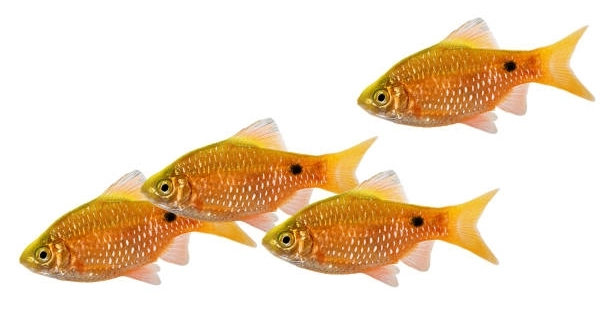
Rosy barb breeding is a popular hobby for many aquarium enthusiasts who want to enjoy vibrant, healthy fish. It involves understanding the fish’s natural behavior and providing the right environment for successful reproduction. Proper care ensures both the adult fish and their offspring thrive.
Successful rosy barb breeding requires careful attention to water quality, temperature, and diet, alongside creating suitable spawning conditions that mimic their natural habitat. Maintaining these factors supports healthy fry development and reduces stress on the breeding adults.
Knowing the basics of rosy barb breeding helps ensure a rewarding experience for hobbyists and the well-being of the fish throughout the process.
Preparing the Breeding Tank
Setting up the right tank is the first step for rosy barb breeding. A separate breeding tank helps control conditions and keeps the eggs and fry safe from adult fish. The tank should be about 20 gallons, with a heater to keep the temperature steady between 74°F and 78°F. Soft, slightly acidic to neutral water is best, with a pH around 6.5 to 7.0. Adding plants like java moss or fine-leaved species gives the fish places to lay eggs and shelter for the fry. Using a gentle filter keeps the water clean without stressing the fish. Lighting should be moderate, not too bright, to mimic natural conditions. Clean water and good aeration encourage the fish to spawn. It’s important to remove the adults after spawning to prevent them from eating the eggs. Regular water changes help maintain water quality during this sensitive time.
Clean water and a calm environment make breeding more successful and reduce stress on the fish.
Proper tank preparation creates the ideal conditions for rosy barb breeding and protects the new generation from harm. This setup makes it easier to observe and care for the eggs and fry. By controlling temperature, water quality, and adding plants, you help create a safe space for spawning. The separate tank also prevents conflicts with other fish. Attention to these details increases the chances of healthy offspring and a smooth breeding process.
Selecting Healthy Breeding Pairs
Choosing the right fish for breeding is important for strong, healthy fry. Select rosy barbs that are vibrant in color and active swimmers. Both males and females should be well-fed and free from disease. Males typically have brighter red coloring on their fins, while females appear plumper, especially when ready to spawn. It’s best to choose fish that are at least one year old to ensure maturity. Healthy pairs have a better chance of producing viable eggs and strong fry.
Healthy, mature rosy barbs improve breeding success and produce stronger offspring.
Carefully selecting pairs with good health and coloration helps produce vibrant fry. Feeding them nutritious food before breeding improves their condition. Avoid breeding fish that show signs of illness or weakness. Giving the pair time to get used to the breeding tank also helps reduce stress. With healthy adults, the spawning process is more natural and effective. Taking the time to select good breeders pays off with better survival rates for the fry.
Spawning and Egg Care
Rosy barbs usually spawn early in the morning. The female scatters eggs among plants, and the male fertilizes them quickly. After spawning, it’s important to remove the adults to avoid egg predation. The eggs take about two days to hatch.
Keeping the water clean during this time is essential. Frequent small water changes help maintain good water quality without disturbing the eggs. Avoid strong currents that might dislodge or damage the eggs. Using a sponge filter or gentle air stone can provide enough oxygen without harming the developing embryos. Maintaining a stable temperature between 74°F and 78°F encourages healthy growth. Watch for any signs of fungus on the eggs; if it appears, treatments with antifungal solutions or salt baths can prevent it from spreading.
Once hatched, the fry will remain hidden among plants for a few days before swimming freely. They rely on their yolk sacs at first, so feeding should start only after they become active swimmers.
Feeding the Fry
Newly hatched rosy barb fry need very fine food like infusoria or commercially available liquid fry food. This ensures they get enough nutrition without difficulty eating. Feeding small amounts multiple times a day works best to keep water clean and provide constant nutrition.
As the fry grow, introduce newly hatched brine shrimp or finely crushed flakes. These foods provide protein necessary for healthy development. It is important to monitor water quality closely during feeding to avoid buildup of waste. Uneaten food should be removed to prevent fouling. Fry are very sensitive at this stage and poor water conditions can cause illness or death quickly.
Regular feeding and clean water help the fry grow strong and healthy. Patience is key because the fry are delicate in the early weeks. Keeping a consistent routine benefits their survival and development.
Monitoring Fry Growth
Fry growth should be monitored closely during the first few weeks. Healthy fry will show steady increases in size and activity. Any signs of lethargy or poor growth may indicate water quality or feeding issues.
Regular observation helps catch problems early. It’s important to keep the environment stable and avoid sudden changes. Adjust feeding amounts based on growth to prevent overfeeding and maintain water quality.
Preventing Common Breeding Problems
Common problems include fungal infections on eggs, poor water quality, and aggressive adults eating eggs or fry. Prevent these by keeping the tank clean, removing adults after spawning, and using antifungal treatments when needed. Proper care reduces stress and increases success rates.
Tank Maintenance During Breeding
Regular water changes and careful cleaning prevent toxins from building up. Avoid disturbing eggs or fry during cleaning. A gentle filter helps keep the water clear without harming young fish.
When to Introduce Fry to the Main Tank
Wait until fry are large enough to avoid being eaten by adult fish. Usually, this is after 6–8 weeks when they can swim confidently and eat regular fish food.
FAQ
How long does it take for rosy barb eggs to hatch?
Rosy barb eggs typically hatch within 48 to 72 hours after spawning. The exact time depends on water temperature, with warmer water speeding up development. Keeping the tank temperature stable between 74°F and 78°F helps ensure the eggs hatch on time. It’s important to maintain clean water during this period to avoid fungal infections that could harm the eggs.
What is the best temperature for breeding rosy barbs?
The optimal temperature range for breeding rosy barbs is between 74°F and 78°F. Temperatures within this range encourage spawning behavior and support healthy egg development. If the water is too cold, spawning may be delayed or not occur at all. Too warm, and the eggs or fry might develop stress or deformities. Consistency in temperature is key to a successful breeding process.
How often should I feed rosy barb fry?
Fry should be fed small amounts several times a day, typically 3 to 5 feedings. Frequent feedings help provide constant nutrition while preventing overfeeding, which can foul the water. Start with very fine foods like infusoria or liquid fry food, then move to newly hatched brine shrimp or crushed flakes as they grow. Monitor feeding closely to adjust amounts based on fry activity and water clarity.
Can adult rosy barbs eat their eggs or fry?
Yes, adult rosy barbs may eat their eggs or fry if left in the same tank. This is common behavior to protect their territory or reduce competition for resources. For this reason, it’s best to remove adults immediately after spawning. Keeping eggs and fry in a separate tank increases survival rates significantly.
How do I prevent fungal infections on rosy barb eggs?
Fungal infections can damage eggs quickly, so prevention is crucial. Maintaining excellent water quality and performing small frequent water changes help. Using antifungal treatments or adding a small amount of aquarium salt can also prevent fungus growth. Avoid disturbing the eggs too much during cleaning, and remove any dead eggs promptly to stop fungus from spreading.
When can rosy barb fry be introduced to the main aquarium?
Fry should be moved to the main tank only after they reach about 6 to 8 weeks old. By this time, they are large enough to avoid being eaten and can eat normal fish food. Before moving, ensure the main tank is well-prepared with plenty of hiding spaces and stable water conditions. Introducing fry too early risks high mortality.
What type of plants work best for breeding tanks?
Fine-leaved plants such as java moss, hornwort, or water sprite provide good spawning surfaces and hiding places for eggs and fry. These plants allow eggs to stick and protect fry from strong currents or predators. Live plants also improve water quality by absorbing nitrates and providing oxygen, which benefits both adults and young fish.
Is it necessary to use a separate breeding tank?
Using a separate breeding tank is highly recommended. It allows better control of water conditions and prevents adults from eating eggs or fry. A dedicated tank also reduces stress and makes it easier to monitor and care for eggs and young fish. While it’s possible to breed in a community tank, survival rates are usually lower.
How do I tell if my rosy barbs are ready to spawn?
Mature males show brighter red or orange coloring on their fins and body when ready to spawn. Females appear fuller or rounder, especially near the belly, as they carry eggs. Behavioral signs include increased chasing and courtship displays. When these signs appear, conditions such as water temperature and quality should be optimal for spawning.
What should I do if fry are not growing well?
If fry show slow growth or lethargy, check water quality first. Poor water conditions cause stress and illness. Increase water changes and ensure proper filtration. Review feeding practices to provide enough nutritious, appropriately sized food. Also, make sure the tank temperature stays stable. If problems persist, it might help to isolate weak fry for better care.
Rosy barb breeding can be a rewarding experience when done with care and attention. Understanding the basic needs of these fish, such as proper tank setup, water conditions, and diet, helps create a good environment for breeding. It is important to provide a quiet, clean space where the fish can spawn without disturbance. Using a separate breeding tank makes it easier to protect the eggs and fry from harm and gives you more control over their care. By focusing on the right temperature, water quality, and plants, you increase the chances of a successful hatch and healthy fry.
Caring for the fry is just as important as setting up the tank. Feeding tiny, nutritious food several times a day helps the young fish grow strong. It is essential to keep the water clean during this stage because fry are very sensitive to poor water quality. Removing uneaten food and performing regular water changes helps prevent disease. Watching the fry closely allows you to notice any issues early, such as slow growth or stress. With patience and careful care, the fry will develop well and be ready to join the main aquarium after several weeks.
Overall, breeding rosy barbs takes time and effort but can be very fulfilling. Paying close attention to the details like tank setup, selecting healthy fish, and proper feeding routines makes a big difference. Avoiding common problems, such as fungal infections or adults eating eggs, helps improve survival rates. Each step of the process, from spawning to raising fry, requires consistent care and observation. With the right approach, you can enjoy watching your rosy barbs grow and thrive, creating a lively and colorful aquarium.

Hello,
If you enjoy the content that we create, please consider saying a "Thank You!" by leaving a tip.
Every little bit helps us continue crafting quality advice that supports the health, happiness, and well-being of pets around the world, for pets of all shapes, sizes, and species.
We really appreciate the kindness and support that you show us!