
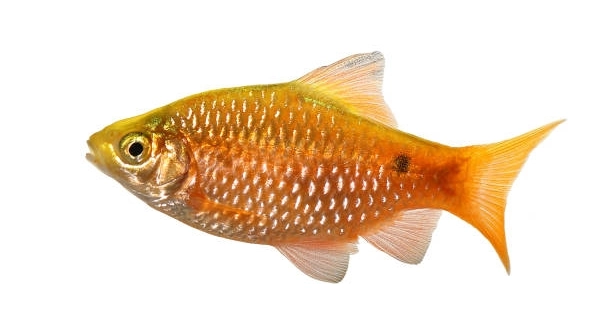
Rosy barbs are popular freshwater fish known for their bright colors and lively behavior. Many people enjoy keeping them in home aquariums because they add beauty and movement to the tank. Understanding their lifespan can help owners care for them better.
Several factors impact the lifespan of rosy barbs, including water quality, diet, tank size, temperature, stress levels, disease, and genetics. Each of these elements plays a crucial role in determining how long these fish can live under captive conditions.
Knowing what affects rosy barb lifespan can help improve their care and well-being in your aquarium. This article will explain the key factors to consider for keeping your fish healthy and happy.
Water Quality and Its Importance
Water quality is one of the most important factors that affects the lifespan of rosy barbs. Clean, well-maintained water keeps the fish healthy and helps prevent diseases. Poor water conditions, such as high levels of ammonia or nitrites, can stress the fish and weaken their immune system. Regular water changes and using a good filtration system are essential. It’s also important to test the water often to make sure the levels of pH, hardness, and temperature stay within the right range for rosy barbs. Consistency in water conditions reduces stress and creates a stable environment where the fish can thrive. When I started paying close attention to water quality in my aquarium, I noticed my rosy barbs became more active and colorful. This shows how much their environment affects their health and lifespan.
Good water quality creates a healthy, stable environment that helps rosy barbs live longer and stay active.
Maintaining clean water means testing it regularly and performing partial water changes. It’s best to remove about 20-25% of the water every week and replace it with fresh, treated water. Avoid sudden changes in water parameters, which can shock the fish. Using a water conditioner removes harmful chemicals like chlorine. Proper filtration removes waste and toxins that build up over time. Together, these actions create a balanced tank where rosy barbs can live comfortably and grow. Clean water supports their immune system and reduces the chance of infections or stress-related issues. With good water quality, rosy barbs have a better chance of reaching their full lifespan.
Balanced Diet for Healthy Rosy Barbs
Feeding rosy barbs a balanced diet is key to their health and longevity.
A diet that meets their nutritional needs strengthens their immune system and supports growth. Rosy barbs are omnivores, so they need a mix of high-quality flakes or pellets, along with live or frozen foods like brine shrimp or bloodworms. Overfeeding can cause water pollution, so it’s important to feed them just enough to eat within a few minutes. I found that offering variety keeps my fish interested and ensures they get all the nutrients they need. Avoid feeding only one type of food, as it can lead to deficiencies and shorter lifespans. By paying attention to their diet, you help maintain their energy levels and vibrant colors, contributing to a longer life.
Tank Size and Space
Rosy barbs need enough space to swim freely. A cramped tank can cause stress and stunt their growth.
A tank that is too small increases waste buildup and reduces oxygen levels. This creates an unhealthy environment, which shortens their lifespan. I keep my rosy barbs in at least a 20-gallon tank to give them enough room. A larger tank also helps maintain stable water conditions, making it easier to control temperature and water quality. Proper swimming space allows the fish to display natural behaviors and reduces aggressive tendencies, promoting better health.
Providing ample swimming space helps reduce stress and supports natural activity. When fish have room, they grow stronger and live longer. Overcrowding often leads to disease and poor water conditions, which are avoidable with proper tank size.
Temperature Control
Keeping the water temperature stable is crucial for rosy barbs’ well-being.
Rosy barbs thrive in temperatures between 64°F and 72°F. Fluctuations outside this range can weaken their immune system and increase susceptibility to disease. I use a reliable heater and thermometer to monitor temperature constantly. Sudden changes, especially drops, can cause stress and even shock the fish. Consistent temperature also helps regulate their metabolism and feeding habits. Avoid placing the tank near windows or air vents where temperature changes often occur. Maintaining the right temperature reduces stress and supports a longer, healthier life for rosy barbs.
Stress and Its Effects
Stress can shorten the life of rosy barbs significantly. Stressors include poor water quality, overcrowding, and aggressive tank mates.
Keeping the tank peaceful and stable helps reduce stress. I make sure to avoid sudden changes and provide plenty of hiding spots so the fish feel safe.
Disease Prevention
Diseases can spread quickly and reduce rosy barbs’ lifespan. Regular tank maintenance and quarantine for new fish help prevent illness.
Genetics and Lifespan
Genetics play a role in how long rosy barbs live. Some are naturally healthier or more resistant to disease than others.
Tank Maintenance
Regular cleaning and water changes keep the tank healthy and reduce harmful bacteria buildup.
How long do rosy barbs usually live?
Rosy barbs typically live around 5 to 7 years in a well-maintained aquarium. Their lifespan depends heavily on factors like water quality, diet, and tank conditions. With proper care, they can sometimes live a bit longer, but neglecting these factors often shortens their life.
What is the ideal tank size for rosy barbs?
A minimum of 20 gallons is recommended for a small group of rosy barbs. These fish are active swimmers and need enough space to move freely. A larger tank helps maintain better water quality and reduces stress caused by overcrowding.
What water parameters do rosy barbs need?
Rosy barbs prefer water with a pH between 6.5 and 7.5, and a temperature range of 64°F to 72°F. Keeping these parameters stable is important to avoid stress and disease. Regular testing helps ensure the water stays within this range.
How often should I change the water?
Weekly partial water changes of 20-25% are ideal to keep the water clean. This removes waste and toxins that build up and helps keep the fish healthy. More frequent changes may be necessary if the tank is heavily stocked.
What should I feed rosy barbs?
A varied diet including high-quality flakes or pellets, plus occasional live or frozen foods like bloodworms or brine shrimp, is best. Feeding small amounts 1-2 times daily helps avoid overfeeding and keeps water quality good.
Can rosy barbs live with other fish?
Yes, they are generally peaceful and do well with other community fish. Avoid keeping them with aggressive or much larger fish that might stress or harm them. It’s best to keep rosy barbs in groups of at least 5 for social interaction.
How do I prevent disease in my rosy barbs?
Maintaining clean water, feeding a balanced diet, and avoiding overcrowding help prevent most diseases. Quarantining new fish before adding them to the main tank reduces the risk of introducing illness.
What are signs of stress in rosy barbs?
Signs include loss of color, hiding frequently, sluggish swimming, or refusal to eat. Stress can be caused by poor water conditions, aggressive tank mates, or sudden changes in the environment.
How can I reduce stress for my rosy barbs?
Keep water stable, avoid overcrowding, and provide hiding places like plants or decorations. Maintaining a calm environment with minimal sudden changes helps them feel secure.
Do rosy barbs need a heater?
If your room temperature stays within their preferred range (64°F-72°F), a heater might not be necessary. However, in cooler climates or fluctuating temperatures, a heater helps maintain stability.
What is the best filtration system for rosy barb tanks?
A good quality filter that provides biological, mechanical, and chemical filtration is ideal. It helps keep the water clean and oxygenated without creating too strong a current.
How often should I clean the tank?
Perform basic cleaning like removing debris and checking equipment weekly. More thorough cleanings, such as scrubbing algae or vacuuming substrate, can be done monthly to keep the tank healthy.
Can poor genetics affect rosy barb lifespan?
Yes, some rosy barbs may have weaker genetics making them more prone to illness and shorter lifespans. Choosing healthy, well-bred fish from reputable sources can improve chances for longer life.
Is it normal for rosy barbs to nip fins?
They can sometimes nip fins, especially if kept in small groups or crowded tanks. Providing enough space and keeping groups of five or more helps reduce this behavior.
How can I tell if my rosy barb is sick?
Look for symptoms like spots, swollen areas, ragged fins, or unusual swimming. Early detection and treatment improve chances of recovery.
What is the best way to introduce new rosy barbs to the tank?
Quarantine new fish for at least two weeks to check for diseases. Introduce them slowly to reduce stress and avoid conflicts with existing fish.
Are live plants good for rosy barb tanks?
Yes, live plants provide hiding spots, improve water quality, and help create a natural environment. They also reduce stress and encourage healthy behavior.
Can rosy barbs adapt to different water types?
They are fairly adaptable but prefer stable, moderate water conditions. Sudden changes can cause stress, so any adjustments should be done gradually.
How do I handle a sudden illness outbreak?
Isolate sick fish if possible and test water parameters immediately. Treatment depends on the disease, so early identification is key. Regular maintenance helps prevent outbreaks from occurring.
Can rosy barbs survive in outdoor ponds?
They can survive in outdoor ponds if the climate is suitable and temperatures stay within their preferred range. However, ponds require careful monitoring of water quality and protection from predators.
Caring for rosy barbs well means paying attention to many important details. Their lifespan depends a lot on the environment we provide. Clean water, proper tank size, balanced diet, and stable temperature are all key factors that support their health. When these conditions are met, rosy barbs can live longer and show their bright colors and lively behavior. It is important to remember that small changes in care can make a big difference in how well these fish thrive. For example, regular water testing and changing even a portion of the water weekly helps keep their home safe from harmful chemicals or waste buildup.
Stress is another factor that can affect how long rosy barbs live. They do better when they feel safe and comfortable. Overcrowding or keeping them with aggressive fish can cause anxiety, which weakens their immune system over time. Providing enough space and places to hide, like plants or decorations, helps them feel secure. Also, keeping the water temperature steady and avoiding sudden changes lowers their stress levels. When fish are less stressed, they are less likely to get sick and more likely to live a full, healthy life.
Finally, genetics and disease prevention play roles in rosy barbs’ longevity. Some fish may naturally live longer than others based on their genes. However, most health problems come from the environment or care routine. By following good tank maintenance, feeding a nutritious diet, and quarantining new fish, we reduce the risk of illness. Paying attention to early signs of sickness and acting quickly can save their lives. Overall, giving rosy barbs a stable and loving environment helps ensure they live happy, healthy lives for many years. Taking the time to understand these factors will help anyone enjoy the company of their rosy barbs for a long time.

Hello,
If you enjoy the content that we create, please consider saying a "Thank You!" by leaving a tip.
Every little bit helps us continue crafting quality advice that supports the health, happiness, and well-being of pets around the world, for pets of all shapes, sizes, and species.
We really appreciate the kindness and support that you show us!