
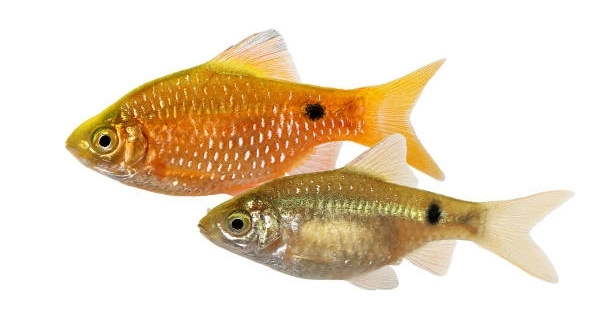
Are your Rosy Barbs zipping around the tank, making you wonder if your filter’s flow is right for them? These colorful fish are known for their energy, but not all setups suit their needs.
Rosy Barbs generally prefer moderate to high flow filters, as the increased movement mimics their natural river habitats. This type of environment supports their activity levels and promotes better oxygenation, leading to healthier and more vibrant fish.
While setting up your tank, understanding how water flow affects your Rosy Barbs can help you create a happier and more balanced aquatic home.
Understanding Rosy Barb Behavior and Tank Preferences
Rosy Barbs are naturally active fish that enjoy swimming against currents. In the wild, they’re found in fast-moving rivers and streams, which means they are used to strong water flow. When kept in an aquarium, they often display more color, energy, and social behavior in tanks with a moderate to strong current. A good flow helps distribute oxygen throughout the tank, which keeps the water fresh and the fish healthy. Still, it’s important to provide some calmer areas so they can rest when needed. Decorations, plants, and driftwood can help break the current and offer hiding spaces. While they like swimming, they also need occasional breaks. If the flow is too powerful across the entire tank, Rosy Barbs might become stressed or exhausted. It’s all about finding a balance that matches their natural behavior while keeping your aquarium comfortable and healthy for all the tank mates.
Rosy Barbs are hardy, but they thrive best when the tank mimics their natural environment.
Creating a suitable setup includes choosing the right filter and flow rate. A canister or hang-on-back filter often works well for maintaining a steady flow. Make sure to monitor your fish’s behavior—if they seem to struggle or avoid certain areas, the flow may be too strong.
Choosing the Right Filter for Your Tank
Tank size and stocking levels play a role in determining how much flow is ideal.
A good filter for Rosy Barbs should provide moderate to strong flow without overwhelming the entire tank. In smaller aquariums, even a strong filter might create excessive turbulence, so using a spray bar or flow diverter can help manage this. For larger tanks, canister filters offer better control over flow distribution. Some aquarists use powerheads or wavemakers to create current in specific sections, giving the fish both active and calm zones. Also, consider your tank layout. Rocks, wood, and dense plants can reduce flow in certain areas. Rosy Barbs benefit from open swimming spaces as well as low-flow corners. It’s best to test your setup and make adjustments based on your fish’s behavior. Watch if they swim confidently through the current or struggle near the outflow. A well-chosen filter will help keep the water clean, provide enough oxygen, and allow your Rosy Barbs to remain active without stress.
Watching for Signs of Stress or Comfort
Rosy Barbs tend to swim actively and interact with each other when comfortable. If they hide often or hover near the bottom, something in the tank might be off. Pay attention to changes in behavior or color.
A filter that’s too strong can cause Rosy Barbs to struggle with swimming. You might notice them avoiding certain areas, getting pushed around by the current, or staying low in the tank to avoid the flow. When they’re comfortable, they’ll swim throughout the tank and appear relaxed. Gasping at the surface, rapid gill movement, or lack of interest in food can also point to stress. These signs are worth noting because water flow plays a big part in their comfort. Adjusting the angle of the filter output or adding decor can help reduce stress without removing needed filtration. It’s best to observe them daily and make slow adjustments.
On the other hand, if the flow is too weak, Rosy Barbs may seem less active or even bored. They thrive when they have to swim a bit harder, as it mimics the conditions they’re used to. A slightly stronger flow often brings out better color and more lively behavior. It also keeps the water cleaner, which supports their health overall.
Creating a Balanced Flow
Balance means giving your Rosy Barbs both places to swim against the current and areas where they can rest. They don’t need fast flow everywhere.
You can achieve this by placing decorations and plants in areas directly hit by the filter output. This helps break up the current and creates calm zones. Use tall plants or driftwood to shield parts of the tank, especially near the bottom. Position your filter in a way that allows movement across the top and middle sections but slows near the substrate. Spray bars are great for spreading out flow without blasting one spot. In some cases, adjusting the angle of the outflow slightly upward can also help reduce stress on the fish. Keeping flow moderate but not too harsh gives your Rosy Barbs a chance to swim naturally and stay healthy. A balanced setup supports their active nature without tiring them out.
How Tank Mates and Decor Affect Flow
Tank mates like slow-swimming fish or delicate fins may not handle strong current as well as Rosy Barbs. When mixing species, aim for a more moderate flow to keep everyone comfortable.
Decor like rocks, driftwood, and thick plants help control flow by creating slower zones. These give fish places to rest and feel secure.
Maintenance and Filter Performance
A strong filter doesn’t always mean good performance. Filters clogged with debris or biological waste can slow down without you noticing. Regular cleaning keeps the flow steady and helps maintain water quality. Rinse mechanical media every couple of weeks using tank water. Replace or clean other components as needed, based on the manufacturer’s directions. Make sure the impeller is spinning freely and the intake is not blocked. Sometimes filters lose strength gradually, and Rosy Barbs may become less active because of reduced oxygen levels. Checking flow regularly and observing your fish’s behavior can help you catch changes early. Keeping a routine schedule ensures the system stays healthy and consistent.
Final Thoughts on Filter Flow
Rosy Barbs enjoy movement but need options. Balanced flow keeps them active, healthy, and stress-free without overwhelming other fish or disrupting the tank.
FAQ
What flow rate is ideal for Rosy Barbs?
Rosy Barbs do best with a moderate to high flow rate that mimics their natural river habitat. This usually means a flow strong enough to create visible water movement but not so strong that the fish struggle to swim or get pushed around. Around 4 to 6 times the tank volume per hour is a good starting point, but adjustments may be needed depending on tank size and decorations.
Can Rosy Barbs live with low flow filters?
Yes, but they may be less active and show duller colors. Low flow filters can work if the tank is heavily planted and has other natural breaks to water movement. Still, Rosy Barbs prefer some current to stay healthy and energetic. Without it, they might become bored or less vibrant.
What happens if the flow is too strong?
If the water current is too strong, Rosy Barbs might avoid parts of the tank or seem stressed. Constantly fighting strong currents can tire them out and reduce their immune system function. You might notice them hiding more or showing faded colors. Strong flow also affects other tank mates that prefer calmer water.
How can I reduce strong filter flow?
You can adjust the filter output by redirecting it with a spray bar or attaching a flow deflector. Adding plants, rocks, or driftwood near the outflow can break the current and create calmer zones. Positioning the filter output higher or at an angle can also help spread the water movement gently.
Is a canister filter better for Rosy Barbs?
Canister filters offer better control over flow compared to internal filters. They usually have spray bars or adjustable outlets that spread water evenly. This allows you to create moderate flow and reduce turbulence. Canister filters also provide excellent filtration and keep the water clean, which benefits Rosy Barbs.
How often should I clean my filter for Rosy Barbs?
Cleaning every two to four weeks is typical, but it depends on the tank size and stocking level. Avoid over-cleaning, which can remove beneficial bacteria. Rinse mechanical media in tank water to keep it effective. Regular maintenance ensures steady flow and good water quality, both crucial for Rosy Barb health.
Can Rosy Barbs handle strong currents in small tanks?
In small tanks, strong currents can be overwhelming because the water has less space to circulate smoothly. It’s important to adjust flow by using flow reducers or placing decorations that slow down water movement. Rosy Barbs still need some current, but it should be balanced with calm areas for resting.
What tank decorations help with flow management?
Plants, driftwood, rocks, and caves help create flow breaks. These decorations slow down the current in certain parts of the tank and provide resting spots. Floating plants can also diffuse flow near the surface. These additions improve comfort for Rosy Barbs by balancing active swimming areas with calmer zones.
Do Rosy Barbs prefer surface agitation?
Surface agitation helps oxygenate the water, which Rosy Barbs benefit from. Moderate surface movement is good, but excessive splashing or waves may stress the fish. A balanced setup ensures enough oxygen exchange without causing too much disturbance.
How does flow affect Rosy Barbs’ health?
Proper flow supports oxygen exchange, removes waste, and promotes healthy behavior. It keeps the fish active and encourages natural swimming patterns. Poor flow, whether too strong or too weak, can lead to stress, illness, or reduced activity. Monitoring flow and adjusting based on your fish’s behavior is important.
Are powerheads recommended for Rosy Barb tanks?
Powerheads can create strong currents and are useful for larger tanks or setups needing extra flow. However, in smaller tanks, they might cause too much turbulence. Use them carefully and combine with decorations to break up the current. Always watch your fish’s reaction to new equipment.
What signs show Rosy Barbs are comfortable with flow?
Active swimming throughout the tank, bright coloration, social interaction, and calm resting in slow zones indicate comfort. If the fish explore all areas without signs of struggle or hiding, your flow setup is likely suitable.
Can flow affect breeding behavior?
Yes, flow influences breeding because Rosy Barbs prefer calmer areas for spawning. Strong currents might discourage breeding or scatter eggs. Providing low-flow zones helps encourage natural breeding behaviors in the tank.
Is it okay to have no-flow areas in the tank?
Yes, no-flow or low-flow areas are beneficial. They give Rosy Barbs places to rest and hide from stronger currents. Balancing high-flow and no-flow zones supports their natural needs and reduces stress.
How do I test if my flow is too strong?
Watch your fish closely. If they avoid certain spots, gasp at the surface, or seem tired, flow might be too strong. You can also place lightweight plants or paper near the outflow to observe how fast the current moves. Adjust as needed to create a gentle but consistent flow.
These answers should help you find the right filter flow for your Rosy Barbs and keep your aquarium balanced and healthy.
Finding the right filter flow for Rosy Barbs is important for their health and happiness. These fish naturally live in rivers with moving water, so they enjoy moderate to strong currents in the tank. A well-chosen flow keeps the water clean, provides oxygen, and encourages the fish to swim actively. However, too much flow can cause stress and tire them out, while too little flow may make them less lively. Balancing the water movement helps create a comfortable environment that fits their natural habits.
It is helpful to pay close attention to your Rosy Barbs’ behavior when adjusting the filter flow. Healthy Rosy Barbs swim confidently throughout the tank and display bright colors. If you notice your fish hiding, struggling against the current, or staying at the bottom, it might be time to reduce the flow. On the other hand, if they seem sluggish or uninterested in swimming, the water movement could be too weak. Adding plants, rocks, or driftwood can break up strong currents and create calm zones where your fish can rest. This balance of flow and calm helps reduce stress and keeps your Rosy Barbs feeling secure.
Maintaining your filter and cleaning it regularly also plays a big role in keeping the flow steady and water quality high. Filters can lose power over time if clogged with debris, which affects the tank environment and the fish’s well-being. By keeping your filter in good condition and watching your fish’s behavior, you can make small changes that greatly improve their comfort. Overall, understanding the flow needs of Rosy Barbs and making thoughtful adjustments leads to a healthier, more vibrant aquarium where your fish can thrive.

Hello,
If you enjoy the content that we create, please consider saying a "Thank You!" by leaving a tip.
Every little bit helps us continue crafting quality advice that supports the health, happiness, and well-being of pets around the world, for pets of all shapes, sizes, and species.
We really appreciate the kindness and support that you show us!