
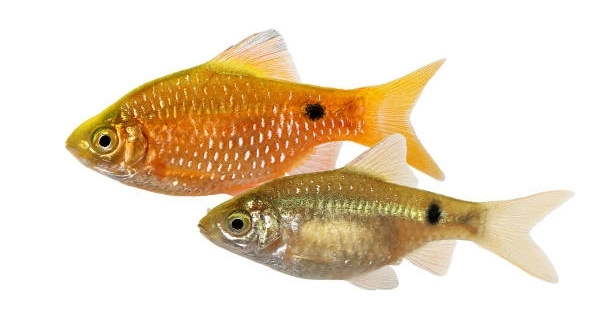
Have you ever kept rosy barbs and found yourself confused by the mixed advice and opinions shared online and in pet stores?
Many people believe false information about rosy barbs, often leading to improper care or unmet expectations. These myths can affect everything from their health and behavior to their overall lifespan and tank environment.
Clearing up these myths can help your rosy barbs live a healthier life and make aquarium care much easier and more enjoyable.
Rosy Barbs Need to Be Kept in Pairs Only
Many people believe rosy barbs should be kept in pairs, but this often leads to stress and aggression. Rosy barbs are social fish that prefer to live in groups. A pair is not enough to keep them mentally stimulated or comfortable. When kept in groups of six or more, they show more natural behaviors, have less aggression, and appear healthier overall. In smaller groups or pairs, one fish may bully the other or become withdrawn. This is especially true in smaller tanks where they cannot escape each other. A larger group spreads out aggression and allows a better social structure to form. Keeping them in a proper group also supports their active nature. They are fast swimmers and enjoy interacting with their own kind. If you’re setting up a tank for rosy barbs, always aim for at least six. This small change can significantly improve their quality of life.
Just because two fish seem peaceful at first doesn’t mean they will stay that way over time.
When rosy barbs are kept in pairs, one fish often dominates. This creates stress for the weaker fish and can lead to illness or even death. Adding more rosy barbs helps reduce this imbalance. They will be more active and less likely to fight. If your tank is large enough and filtered well, a small school of rosy barbs is usually happier and healthier than a pair. This also helps prevent boredom and unwanted behaviors like fin nipping. Watching them interact in a group can be much more enjoyable than just having two that may not get along. It also reflects their natural habits in the wild. Rosy barbs are shoaling fish by nature. Matching their natural environment as closely as possible is key to proper care. So if you want a peaceful, thriving tank, avoid keeping them in pairs and aim for a full group instead.
Rosy Barbs Are Always Aggressive
Rosy barbs have a reputation for being aggressive, but this behavior is usually caused by poor tank setups or stress.
Aggression in rosy barbs is often misunderstood. These fish are active and energetic, which some mistake for aggressive behavior. However, they are not naturally aggressive when kept in the right conditions. Aggression usually shows up when rosy barbs are housed in too-small tanks, kept in pairs, or placed with slow or long-finned tankmates. These situations frustrate them and can trigger fin nipping or chasing. The key to reducing aggression is to give them enough space, keep them in a proper group of six or more, and avoid placing them with species that can’t handle their high activity levels. A 30-gallon tank or larger is ideal. Also, adding plants and decorations can help break up lines of sight and give fish areas to explore or rest. When rosy barbs are comfortable, they tend to be peaceful and active without bothering other fish. Proper tank conditions matter more than anything else.
Rosy Barbs Can Live in Bowls
Keeping rosy barbs in bowls leads to poor health and short lifespans. Bowls are too small, unfiltered, and do not provide the swimming space or oxygen levels these active fish need.
Rosy barbs are fast swimmers that need space to move. A bowl, even a large one, does not give them enough room. Most bowls also lack proper filtration, which causes waste to build up quickly. This makes the water unsafe. Rosy barbs also need stable temperatures and oxygen-rich water, which bowls don’t provide. Without proper care, these conditions can lead to illness and stress. A rectangular tank with a filter and heater is much better. A 20- to 30-gallon tank is a good starting point. It gives them space to swim and lets you add other tankmates or plants safely. Bowls may seem easy, but they are not suitable for rosy barbs.
If rosy barbs are kept in bowls, they often show signs of distress such as faded colors, clamped fins, or erratic swimming. These are all signs of poor water quality and stress. Over time, their immune systems weaken, making them more likely to get sick. Even frequent water changes can’t match the stability of a properly filtered tank. Bowls also make it hard to maintain a stable temperature, which is important for tropical fish like rosy barbs. Cold or fluctuating water stresses them out. It’s much easier to maintain a healthy environment in a tank with a heater and filter. Long-term care in a bowl usually leads to suffering and a much shorter life. A proper aquarium setup is not just better—it’s necessary.
Rosy Barbs Don’t Need a Heater
Rosy barbs are often sold as coldwater fish, but they still benefit from a heater. Room temperatures can change, and this can stress the fish. A stable, warm environment keeps them healthier and more active.
While rosy barbs can tolerate slightly cooler temperatures, they do best in a stable range of 72–78°F (22–25°C). In many homes, room temperatures fall below this range at night or during colder seasons. These drops can weaken their immune systems and slow their metabolism. A small, adjustable aquarium heater solves this issue by keeping the water temperature consistent. It also helps other tankmates that prefer tropical conditions. Without a heater, rosy barbs may become sluggish or stop eating. Their colors can also fade. A heater doesn’t have to be expensive or complicated, but it makes a big difference in keeping your fish active and healthy over time. A stable tank is a safer one.
Rosy Barbs Can Eat Only Flakes
Flake food is not enough for rosy barbs. It lacks variety and can lead to poor health over time. These fish need a more balanced diet to stay active, colorful, and strong.
Feeding only flakes may cause nutritional gaps. Mixing in pellets, frozen foods like bloodworms, and blanched vegetables helps support their health and energy levels.
Rosy Barbs Don’t Need Plants
Live plants give rosy barbs hiding spots, reduce stress, and help keep the water clean. While not required, adding plants makes their environment more natural and comfortable.
Rosy Barbs Are Fine Without a Filter
Without a filter, waste builds up quickly and affects the water quality. Rosy barbs produce a lot of waste, so a filter helps keep the tank stable.
FAQ
Can rosy barbs live with bettas?
It’s not a good idea to keep rosy barbs with bettas. Rosy barbs are fast, active swimmers that often nip at slower fish, especially those with long fins. Bettas have flowing fins that easily attract attention, and this can lead to stress or injury. Bettas also prefer calmer environments, while rosy barbs are more energetic and need space. These differences make them incompatible in most cases. If you’re looking for tankmates for your rosy barbs, consider faster fish like danios or certain types of tetras that can match their pace and temper.
Do rosy barbs need a bubbler?
A bubbler is not required if your tank has proper filtration. Most filters provide enough surface agitation to keep the water oxygenated. Rosy barbs need good water circulation and oxygen levels, but a bubbler is optional unless your filter is very weak or your tank is overcrowded. Some people add bubblers for looks or extra oxygen, and that’s fine as long as it doesn’t cause too much current. Just make sure your filter is doing its job and the fish seem active and comfortable.
How long do rosy barbs live?
With proper care, rosy barbs can live 4 to 6 years. In a clean, well-filtered tank with the right diet and stable water temperature, they stay healthy longer. Poor care or small bowls can shorten their lifespan significantly. A balanced diet, group setting, and regular tank maintenance all help extend their lives.
Can rosy barbs live with goldfish?
It’s not recommended. While both can live in cooler water, their needs are different. Rosy barbs are faster, more active, and tend to nip fins—especially the long flowing fins of many goldfish. Goldfish also produce a lot of waste, which can make it hard to maintain stable water for both.
Are rosy barbs easy to breed?
Yes, rosy barbs are relatively easy to breed in home aquariums. They are egg scatterers and don’t care for their young, so you’ll need a separate breeding tank with soft plants or a spawning mop. Once eggs are laid, the adults should be removed or they might eat them.
Do rosy barbs change color?
Yes, their color can change depending on mood, health, or environment. Stress, poor diet, or bad water quality can dull their colors. When they are healthy, in a group, and well cared for, their red and gold tones become more vibrant. Males often get brighter during breeding.
How big do rosy barbs get?
Rosy barbs grow to about 4 to 6 inches long, depending on the quality of care and space available. They need a tank large enough to support their adult size. Many people buy them small and don’t realize how large they can grow.
What size tank do rosy barbs need?
A group of six rosy barbs should be kept in at least a 30-gallon tank. They are active swimmers and need space to move around. Smaller tanks can lead to stress, aggression, or illness. The more room they have, the better they behave and the healthier they stay.
Do rosy barbs jump out of tanks?
Yes, they can jump, especially when startled or if water conditions are poor. Always keep a lid or hood on the tank. A secure top helps prevent accidents and keeps your fish safe. If you notice frequent jumping, check the water quality and reduce loud or sudden disturbances.
Are rosy barbs good for beginners?
Yes, they are hardy and can adapt to different conditions, but they still need proper care. Beginners should be aware of their social needs, swimming space, and diet. With the right setup, rosy barbs are a great choice and can be a lively addition to a community tank.
Final Thoughts
Rosy barbs are active, colorful fish that can bring a lot of movement and life to a home aquarium. They are not difficult to care for, but they do have specific needs that must be met for them to stay healthy. Many common beliefs about them are not entirely true and can lead to poor care if not corrected. Simple things like giving them enough space, keeping them in proper groups, and feeding them a varied diet make a big difference. They are social fish that do best when their environment matches their natural behaviors. Once their basic needs are understood, rosy barbs can thrive and live longer lives in a peaceful tank.
It’s important to avoid the myths that suggest rosy barbs can live in bowls, don’t need filters or heaters, or can be kept alone or in pairs. These ideas may sound convenient, but they don’t support the long-term health of the fish. Many problems, such as aggression, illness, and faded colors, come from setups that don’t meet the fish’s needs. Keeping rosy barbs in a tank that has stable water conditions, a working filter, and room to swim will reduce stress and help them stay active. Their behavior improves in groups, and they interact with each other in interesting ways when they feel comfortable and safe.
Understanding rosy barbs doesn’t have to be hard. Once you know what they need, caring for them becomes more straightforward. A little research and proper setup go a long way. Avoiding common myths allows you to create a better home for your fish and gives you a more rewarding experience. These fish are tough, but that doesn’t mean they can handle poor conditions. They deserve a clean tank, the right temperature, and social interaction. When you provide those things, you’ll see the full range of their personality, energy, and color. Keeping rosy barbs is much more enjoyable when you know you’re doing it the right way.

Hello,
If you enjoy the content that we create, please consider saying a "Thank You!" by leaving a tip.
Every little bit helps us continue crafting quality advice that supports the health, happiness, and well-being of pets around the world, for pets of all shapes, sizes, and species.
We really appreciate the kindness and support that you show us!