
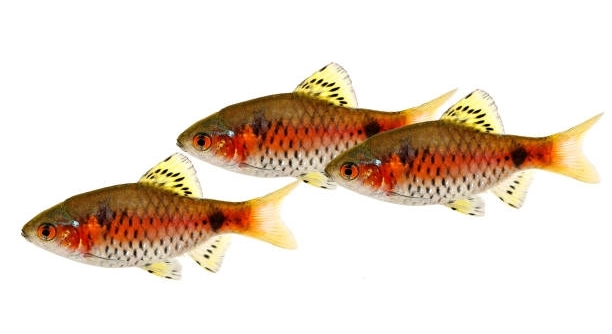
Do you ever wonder about the best way to feed your rosy barbs? These lively fish need a balanced routine to stay healthy and active. Knowing their feeding habits can help improve their care and environment.
Rosy barbs do not prefer a fast feeding routine. They thrive with moderate, consistent feeding that avoids overfeeding, which can cause water quality issues and stress. A balanced approach ensures their health and promotes natural behavior.
Understanding the right feeding pace will help you keep your rosy barbs happy and healthy. This guide will share useful tips on their feeding habits and care.
Understanding Rosy Barbs’ Feeding Needs
Rosy barbs are active fish that require a steady and balanced diet to thrive. They do best when fed small amounts multiple times a day rather than one large meal. Overfeeding can lead to leftover food in the tank, which quickly degrades water quality and harms the fish. These fish enjoy a variety of foods, including flakes, pellets, and occasional live or frozen treats like brine shrimp. Keeping a consistent feeding schedule helps maintain their health and energy. Sudden changes in feeding routines or too fast feeding can stress them and cause digestive problems. Observing their behavior during feeding times can help you adjust portions to avoid waste and ensure all fish get their share.
Feeding rosy barbs slowly allows them to eat comfortably without rushing, reducing the chance of choking or stress.
Maintaining a regular but moderate feeding routine encourages natural feeding behaviors and keeps the tank environment clean. It also supports their growth and vibrant colors. Avoiding fast feeding is key to their overall well-being and long-term health.
Signs of Overfeeding and How to Adjust
Overfeeding can cause several issues in your aquarium. Uneaten food can pollute the water, leading to algae growth and poor oxygen levels. Fish may also become overweight or develop health problems like swim bladder issues from eating too fast or too much. If you notice cloudy water or excess debris, it’s time to cut back on feeding.
Adjusting feeding amounts starts with offering small portions and watching how much your rosy barbs eat in a few minutes. If there is leftover food, reduce the next feeding. If fish seem hungry quickly, you may increase slightly but avoid large portions. It’s best to feed just what they can consume in 2-3 minutes, several times a day. This approach keeps the tank clean, fish healthy, and prevents stress caused by fast feeding. Keeping an eye on their behavior and water condition will help you find the right balance.
Feeding Frequency and Amount
Feeding rosy barbs too quickly or too much can cause health problems. A slow, steady feeding pace with moderate amounts is best for their wellbeing.
Feeding your rosy barbs two to three times a day with small portions is ideal. They can eat what fits comfortably in their mouths within two to three minutes. This prevents leftover food from polluting the tank and reduces stress on the fish. Overfeeding may lead to obesity and poor water quality, both harmful to their health. By feeding smaller amounts more frequently, you support their natural eating habits and maintain a cleaner environment.
It’s important to observe how your fish respond to feeding. If they finish quickly and seem eager, you might increase the portion slightly. If food remains, reduce it to prevent waste. Consistency helps the fish settle into a healthy routine, avoiding the rush or stress of fast feeding.
Adjusting Feeding Based on Fish Behavior
Rosy barbs’ behavior during feeding offers clues to adjust feeding practices. Watch if they eagerly swim to food or seem uninterested.
If the fish eat quickly and seem hungry soon after, it’s okay to feed a little more. But if they push food away or leave leftovers, cutting back is necessary. Overfed fish might become lethargic or develop health issues, so careful monitoring is important. By tuning feeding amounts to their behavior, you maintain a balance that supports their health and tank conditions. This approach also prevents problems like poor water quality and stress from fast or excessive feeding. Taking time to observe your fish helps you provide the best care possible.
Choosing the Right Food
Rosy barbs benefit from a varied diet that includes flakes, pellets, and occasional live or frozen foods. Variety ensures they get all necessary nutrients and stay interested in their meals.
Avoid foods that are too large or sink too quickly, as these can encourage fast, stressful feeding and cause choking or waste.
Avoiding Overfeeding Mistakes
Overfeeding is a common mistake that can harm both fish and tank environment. It leads to leftover food that pollutes water and causes health problems for rosy barbs.
Feeding only small, measured amounts and watching their response helps prevent overfeeding. This simple step keeps fish healthy and water clean.
Timing Your Feedings
Feed rosy barbs at consistent times each day. This routine helps reduce stress and allows fish to expect meals without rushing.
Keeping a regular schedule supports natural feeding habits and tank balance.
How often should I feed my rosy barbs?
Feeding rosy barbs two to three times a day works best. Small portions during each feeding prevent overfeeding and reduce waste in the tank. They should eat what fits comfortably in two to three minutes, allowing enough time to eat without rushing.
What happens if I feed my rosy barbs too fast?
Fast feeding can cause stress and digestive problems in rosy barbs. They may choke or swallow air, leading to swim bladder issues. Additionally, rapid feeding often results in leftover food, which pollutes the water and harms fish health. A slow, steady feeding routine is better.
Can I feed my rosy barbs live food?
Yes, live food like brine shrimp or daphnia can be offered occasionally. It adds variety and helps mimic natural feeding behavior. However, live food should not replace regular flakes or pellets and should be given in moderation to avoid water quality problems.
Is it okay to feed my rosy barbs only once a day?
Feeding once a day is possible but not ideal. Rosy barbs benefit from multiple small meals because it matches their natural eating habits. One large meal can cause overeating and stress. Splitting their food into smaller portions supports better digestion and water quality.
What signs show my rosy barbs are overfed?
Signs include leftover food in the tank, cloudy water, lethargy, and bloating in fish. Overfed rosy barbs may also have difficulty swimming properly due to swim bladder issues. If you notice these, reduce feeding amounts and improve tank maintenance.
How much food is too much for rosy barbs?
Feed only what rosy barbs can finish in about two to three minutes. Any food left after this time should be removed or feeding amounts decreased. Overfeeding adds waste and lowers water quality, which can cause health problems over time.
Should feeding times be consistent every day?
Yes, keeping feeding times consistent helps reduce fish stress and promotes natural behavior. Rosy barbs learn to expect food at regular intervals, which prevents rushed feeding and improves overall tank harmony.
Can I feed rosy barbs human food or leftovers?
No, human food or leftovers are not suitable for rosy barbs. They need a diet designed for fish, which provides balanced nutrients. Feeding inappropriate food can harm their health and pollute the aquarium. Stick to high-quality fish flakes, pellets, and approved live or frozen foods.
Do rosy barbs eat fast in groups?
Rosy barbs often eat faster in groups because of competition. This can cause some fish to gulp food too quickly, increasing stress or choking risk. Feeding smaller portions more often helps slow the pace and ensures all fish get enough food.
How can I tell if my rosy barbs are hungry or full?
Hungry rosy barbs will actively swim and come to the surface during feeding times. Full fish lose interest and swim away from food. Observing their behavior helps adjust feeding amounts to avoid overfeeding or underfeeding.
Is fasting beneficial for rosy barbs?
Occasional fasting, such as one day a week without food, can help clear their digestive system. This practice prevents overeating issues and supports better health. However, it should be done carefully and not too often to avoid stress.
What’s the best way to introduce new foods to rosy barbs?
Introduce new foods slowly and in small amounts to avoid digestive upset. Mix new foods with their regular diet and watch their reaction. Gradually increase the amount if they accept it well. This approach reduces stress and maintains good nutrition.
How do feeding habits affect water quality?
Feeding habits directly impact water quality. Overfeeding leads to uneaten food that decomposes and raises ammonia levels, harming fish. Feeding the right amount in proper intervals keeps the tank clean and healthy for rosy barbs. Regular water changes also help maintain balance.
Can rosy barbs survive on flakes alone?
While flakes can provide basic nutrition, feeding only flakes may limit their health and color vibrancy. Including pellets and occasional live or frozen foods gives a more balanced diet and improves overall well-being. Variety supports natural feeding instincts and nutrient intake.
What should I do if my rosy barbs refuse to eat?
If rosy barbs refuse food, check water quality, temperature, and stress factors. Illness or poor tank conditions can reduce appetite. Try offering different food types or adjusting feeding times. If refusal continues, consult an aquatic specialist for advice.
Feeding rosy barbs the right way is important for their health and happiness. These fish do best with small, steady meals spread throughout the day. Overfeeding or rushing their food can cause problems like poor water quality and stress. Watching how much and how fast they eat helps keep them healthy. Feeding them a balanced diet that includes flakes, pellets, and occasional live or frozen food supports their growth and vibrant colors. It is also important to feed only what they can finish in a few minutes to avoid leftover food that can harm the tank environment.
A consistent feeding schedule helps rosy barbs develop good habits and feel secure. Feeding them at the same times each day reduces stress and encourages natural behavior. If you notice leftovers or signs of overfeeding, adjusting the portion size is necessary. Sometimes less is more when it comes to feeding. Making small changes based on how your fish behave during feeding times can improve their overall wellbeing. Keeping the tank clean and maintaining good water quality are just as important as feeding the right amount.
Remember that every aquarium is different, so it may take some time to find the best feeding routine for your rosy barbs. Pay attention to their behavior and water condition, and make adjustments as needed. Offering a variety of foods helps keep them interested and provides proper nutrition. Taking care with feeding habits will help your rosy barbs live longer and stay active. Feeding them slowly, consistently, and in moderate amounts is the best way to ensure they thrive in your tank.

Hello,
If you enjoy the content that we create, please consider saying a "Thank You!" by leaving a tip.
Every little bit helps us continue crafting quality advice that supports the health, happiness, and well-being of pets around the world, for pets of all shapes, sizes, and species.
We really appreciate the kindness and support that you show us!