
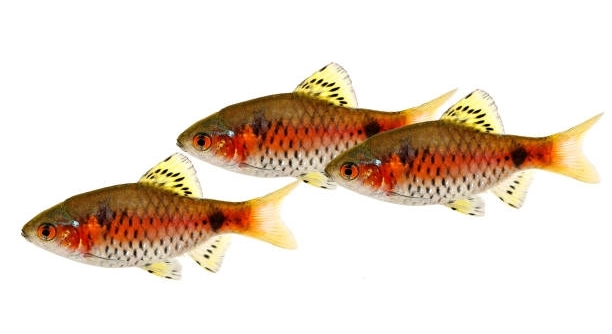
Rosy barbs are popular aquarium fish known for their vibrant colors and active behavior. Many fish owners want to ensure these lively creatures live comfortable and healthy lives in their tanks. Improving their quality of life benefits both the fish and their caretakers.
Enhancing rosy barb life quality involves providing proper tank conditions, balanced nutrition, and appropriate social environments. Consistent water quality management, suitable tank mates, and regular health monitoring are essential factors that contribute to their well-being and longevity.
Small changes in daily care can greatly improve your rosy barbs’ health and happiness. This article outlines practical steps to help you create a better environment for them.
Maintain Clean and Stable Water Conditions
Keeping the water clean and stable is essential for rosy barbs. Regular water changes remove waste and toxins that can build up and harm the fish. Testing water parameters such as pH, ammonia, nitrite, and nitrate levels helps ensure the tank remains safe. Rosy barbs prefer slightly acidic to neutral water with a pH around 6.5 to 7.5. The temperature should be kept steady between 72°F and 79°F to avoid stress. Using a good filtration system aids in removing debris and maintaining oxygen levels. Avoid sudden changes in water temperature or chemistry, as these can weaken the fish’s immune system. By monitoring and adjusting these factors regularly, you help prevent illness and keep the fish comfortable. Clean water encourages natural behavior, vibrant coloration, and longer life spans for rosy barbs.
Water changes of 20-30% weekly maintain good quality and stability. This frequency helps prevent buildup of harmful substances.
Regular water maintenance improves fish health and tank environment. A stable habitat reduces stress and promotes natural activity, making rosy barbs thrive in home aquariums.
Provide a Balanced and Varied Diet
Feeding rosy barbs a balanced diet supports their growth and energy. High-quality flake or pellet foods designed for tropical fish provide essential nutrients. Supplementing with live or frozen foods such as brine shrimp, daphnia, and bloodworms adds variety and enriches their diet. Vegetables like blanched spinach or zucchini can also be offered occasionally. Avoid overfeeding, which can cause water pollution and health problems. Feeding small amounts twice a day is usually sufficient. Observing their feeding behavior helps adjust portions and detect any issues early. A well-rounded diet supports their immune system, coloration, and activity levels. Nutritional balance is key to preventing deficiencies and maintaining vitality. Offering diverse foods mimics natural feeding habits and keeps rosy barbs interested in their meals.
Varied nutrition improves their resistance to disease and supports bright colors. A proper diet ensures they stay active and healthy.
Adjusting feeding routines and food types according to fish age and tank conditions enhances overall health and well-being. Regular monitoring of diet effects helps optimize feeding practices.
Choose Compatible Tank Mates
Rosy barbs do well with other peaceful, similarly sized fish. Avoid aggressive or overly timid species that may stress them. Ideal companions include danios, barbs, and some tetras.
Keeping compatible tank mates reduces stress and fighting, promoting a peaceful environment. Mixed groups should be monitored to ensure harmony.
Aggression or bullying can cause injury and reduce rosy barbs’ quality of life. Overcrowding should be avoided to maintain space for swimming. Providing hiding spots and open swimming areas balances social interaction and security. Compatibility helps all fish thrive together, maintaining tank health and reducing stress-related illnesses.
Create a Comfortable and Stimulating Environment
Rosy barbs benefit from plants, decorations, and hiding places in their tank. Live plants improve water quality and offer shelter. Smooth rocks and driftwood create natural hiding spots.
A well-decorated tank encourages natural behavior like exploring and hiding. It reduces boredom and stress in the fish. Varying the layout occasionally can stimulate activity and curiosity, preventing monotony. Proper lighting that mimics natural day and night cycles also supports their health and coloration. A thoughtfully arranged environment enhances rosy barbs’ well-being and helps them feel secure and active.
Monitor Fish Health Regularly
Watch your rosy barbs daily for any changes in behavior, appetite, or appearance. Early detection of illness is key to effective treatment.
Look for signs like faded colors, clamped fins, or unusual swimming patterns. Quick action helps prevent disease spread and supports recovery.
Avoid Overcrowding
Overcrowded tanks increase stress and reduce water quality, affecting fish health. Maintain an appropriate fish-to-water ratio to ensure enough space for swimming.
A general rule is one inch of fish per gallon of water, adjusted for species activity levels. Adequate space lowers aggression and improves oxygen availability.
Maintain Proper Lighting
Provide a natural light cycle of about 10 to 12 hours daily. Proper lighting supports rosy barbs’ coloration and regulates their biological rhythms.
Avoid sudden or excessive light changes, as this can cause stress and disrupt their normal behavior. Consistent lighting promotes a healthy environment.
FAQ
How often should I change the water for rosy barbs?
Water changes should be done weekly, replacing about 20-30% of the tank water. This helps remove waste, excess nutrients, and toxins that build up. Consistent partial water changes maintain stable water conditions, which are essential for keeping rosy barbs healthy and stress-free.
What is the ideal tank size for rosy barbs?
A minimum of 20 gallons is recommended for a small group of rosy barbs. They are active swimmers and need space to move freely. Larger tanks also help maintain better water quality and reduce stress by preventing overcrowding.
Can rosy barbs live with other fish?
Yes, but tank mates should be chosen carefully. Rosy barbs do well with peaceful species that are similar in size and temperament. Avoid slow-moving or long-finned fish, as rosy barbs may nip fins or cause stress.
What should I feed my rosy barbs?
A varied diet is best. High-quality flakes or pellets designed for tropical fish provide essential nutrients. Supplement with live or frozen foods such as brine shrimp, daphnia, or bloodworms. Occasional vegetables like blanched spinach or zucchini add fiber and variety.
How can I tell if my rosy barbs are healthy?
Healthy rosy barbs have bright colors, smooth scales, and clear eyes. They swim actively and respond to feeding. Signs of illness include faded colors, clamped fins, lethargy, or abnormal swimming patterns. Early detection helps treat problems before they worsen.
Why are my rosy barbs losing color?
Color loss can result from stress, poor water quality, inadequate diet, or illness. Ensure stable water parameters, proper nutrition, and a calm environment. If color loss persists, check for disease or parasites and consider consulting a veterinarian.
How many rosy barbs should be kept together?
They are schooling fish and do best in groups of six or more. Being in groups reduces stress and encourages natural behavior. Small groups may become shy or aggressive. More fish require a larger tank to maintain good water quality.
Is a heater necessary for rosy barbs?
Yes, a heater helps maintain the ideal temperature range of 72°F to 79°F. Temperature fluctuations can stress fish and weaken their immune systems. A stable temperature promotes better health and activity.
How important is filtration in a rosy barb tank?
Filtration is very important. It removes waste, toxins, and debris, helping keep the water clean and oxygenated. A good filter also supports beneficial bacteria that break down harmful substances. Regular filter maintenance is essential for its effectiveness.
Can rosy barbs live in planted tanks?
Yes, they thrive in planted tanks. Live plants improve water quality, provide hiding spots, and reduce stress. Choose hardy plants that can withstand rosy barbs’ activity. Plants also help create a natural, comfortable environment.
What causes rosy barb fin damage?
Fin damage often results from aggressive tank mates, rough decorations, or poor water quality. Rosy barbs may nip fins if stressed or overcrowded. Providing plenty of space, smooth decorations, and compatible fish helps prevent fin injuries.
How do I prevent disease in rosy barbs?
Maintaining clean water, stable conditions, and a balanced diet reduces disease risk. Avoid overcrowding and quarantine new fish before adding them to the tank. Regularly observe fish behavior and act quickly if illness signs appear.
How long do rosy barbs typically live?
With proper care, rosy barbs can live 5 to 7 years. Good water quality, a balanced diet, and a stress-free environment contribute to their lifespan. Regular monitoring and care ensure they remain healthy throughout their lives.
Are rosy barbs sensitive to changes in water parameters?
Yes, they are sensitive to sudden changes in pH, temperature, and water chemistry. Rapid fluctuations can cause stress and illness. Gradual adjustments and consistent monitoring are important to maintain a stable environment.
What should I do if my rosy barbs are fighting?
Fighting often occurs due to overcrowding, poor tank setup, or incompatible tank mates. Increase tank size if possible, add hiding places, and separate aggressive fish if needed. Maintaining proper group sizes reduces aggression and promotes peace.
Final Thoughts
Caring for rosy barbs involves understanding their basic needs and creating a stable environment where they can thrive. Maintaining clean water with regular changes is crucial. This keeps harmful substances from building up and helps the fish stay healthy. A proper filtration system and monitoring water parameters like pH and temperature provide a safe habitat. Consistency in water conditions reduces stress and illness. Keeping the tank at the right size and avoiding overcrowding gives rosy barbs enough space to swim and interact naturally. When these simple factors are in place, the fish show better colors and more active behavior.
Feeding rosy barbs a balanced diet is equally important. They require high-quality flake or pellet food as a base. Adding live or frozen foods, like brine shrimp or bloodworms, enriches their nutrition. Occasionally, offering vegetables like blanched spinach adds variety and fiber to their diet. Feeding should be controlled to avoid overfeeding, which harms both the fish and water quality. Observing their eating habits helps ensure they are receiving enough nutrition without waste. A well-fed rosy barb will have a stronger immune system and brighter colors, making them more lively and appealing in the aquarium.
Lastly, providing a comfortable environment with compatible tank mates and plenty of hiding spots makes a big difference in rosy barbs’ life quality. Peaceful fish that share similar size and behavior reduce aggression and stress. Live plants and decorations not only improve water quality but also give the fish places to explore and rest. Proper lighting that follows a natural day-night cycle supports their biological rhythms and coloration. Taking time to watch your fish regularly lets you catch health issues early and respond quickly. These steps work together to keep rosy barbs healthy and happy for years, creating a rewarding experience for anyone caring for them.

Hello,
If you enjoy the content that we create, please consider saying a "Thank You!" by leaving a tip.
Every little bit helps us continue crafting quality advice that supports the health, happiness, and well-being of pets around the world, for pets of all shapes, sizes, and species.
We really appreciate the kindness and support that you show us!