
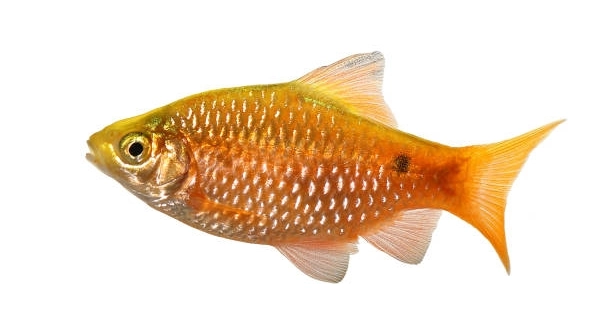
Many fish owners notice changes in their rosy barb’s behavior over time. One common concern is when these lively fish suddenly stop swimming actively. This change can be unsettling and often signals underlying issues that need attention.
Rosy barbs may reduce activity due to stress, illness, poor water quality, or inadequate diet. Environmental factors like temperature fluctuations and overcrowding also impact their energy levels and overall health, causing them to become less active.
Identifying the cause is important for restoring your fish’s vitality. This article explores the main reasons behind this behavior and offers practical steps to help your rosy barb regain its usual liveliness.
Common Causes of Reduced Activity in Rosy Barbs
Rosy barbs can become less active for several reasons, with health issues and environment being the most frequent factors. Illnesses like bacterial infections or parasites can make fish weak and slow. Poor water quality, including high ammonia or nitrite levels, directly affects their well-being. Sudden changes in temperature or inadequate oxygen levels also reduce activity. Overcrowding causes stress, leading to lethargy. Additionally, a poor diet lacking essential nutrients can decrease energy. Monitoring tank conditions regularly is crucial to catch problems early. Observing behavior changes alongside water tests helps identify if the fish is unwell or uncomfortable. Acting promptly can prevent further decline and support recovery.
Maintaining a balanced environment and healthy diet is essential for keeping rosy barbs active and vibrant.
Water parameters and tank conditions directly impact fish behavior and overall health in the aquarium.
How to Improve Your Rosy Barb’s Activity Levels
Water quality is the most important factor in your fish’s activity. Regular water changes keep harmful substances low. Keep temperature stable between 68°F and 78°F to match their natural habitat. Avoid overcrowding by limiting the number of fish in the tank. Feeding a varied diet rich in protein and vitamins strengthens their immune system and boosts energy. If you notice illness signs, isolate the affected fish and consult with a vet or aquatic specialist. Maintaining proper lighting and tank decorations helps reduce stress and encourages natural movement. Consistency in care and observation improves your fish’s chances to regain normal swimming behavior and enjoy a healthier life in your aquarium.
Signs of Stress in Rosy Barbs
Stress in rosy barbs often shows through changes in behavior and appearance. Common signs include hiding more than usual, loss of appetite, and dull or faded colors. Erratic swimming or rubbing against objects can also indicate discomfort or irritation.
Stress results from poor water conditions, sudden changes in the tank environment, or aggressive tank mates. When stressed, fish use more energy fighting off discomfort, leading to less activity. Keeping the tank clean and stable helps reduce stress. Providing plenty of hiding spots and avoiding overcrowding supports a calmer environment, allowing your rosy barb to feel secure and more active.
Regular observation helps catch early stress signs. Acting quickly prevents health issues that could make inactivity worse.
Feeding Tips to Boost Activity
A well-balanced diet influences your rosy barb’s energy and health. High-quality flakes or pellets formulated for tropical fish should be the main food source. Supplementing with live or frozen foods like brine shrimp or bloodworms adds essential protein and stimulates natural hunting behavior. Feeding small amounts two to three times a day prevents overfeeding and water pollution. Variety in diet keeps your fish interested and active.
Avoid feeding too many plant-based foods, as rosy barbs require protein for energy. Fresh foods also provide important vitamins and minerals that support their immune system. A healthy diet directly improves swimming activity and overall vitality.
Tank Environment Adjustments
Proper tank setup is key to keeping rosy barbs active. Ensure the tank is spacious enough to allow free swimming. Avoid overcrowding to reduce stress.
Add plants and decorations for hiding spots, helping your fish feel secure. A stable environment encourages natural, energetic behavior.
Monitoring Water Quality
Test water regularly for ammonia, nitrites, and nitrates. Poor water quality quickly affects fish health and activity levels. Maintain proper filtration and perform partial water changes weekly. Keeping water clean supports your rosy barb’s energy and reduces illness risks.
Recognizing Illness Symptoms
Look for unusual spots, frayed fins, or swelling. Changes in breathing or loss of appetite also signal illness. Early detection is vital to prevent worsening and inactivity.
When to Seek Professional Help
If your rosy barb remains inactive despite care, consulting an aquatic specialist or vet is advised. Professional advice ensures accurate diagnosis and treatment.
FAQ
Why has my rosy barb stopped swimming actively overnight?
Sudden inactivity often points to a rapid change in the tank environment or health problems. Water quality issues like spikes in ammonia or nitrites can shock fish, causing them to become lethargic. Illnesses such as bacterial infections may also develop quickly. It’s important to check water parameters immediately and observe your fish for other symptoms to determine the cause.
Can water temperature affect my rosy barb’s activity?
Yes, temperature plays a crucial role. Rosy barbs thrive between 68°F and 78°F (20°C–25.5°C). Temperatures below or above this range can slow their metabolism, making them less active. Sudden temperature changes also cause stress, which decreases swimming. Maintaining a stable temperature within this range helps keep your fish lively.
How often should I change the water to keep rosy barbs active?
Weekly partial water changes of 20-30% are recommended. This helps remove toxins and maintain clean water, which supports healthy fish activity. Over-cleaning or changing too much water at once can stress the fish, so gradual changes are better. Testing water before changes helps ensure the conditions stay balanced.
Could my rosy barb be sick if it’s not swimming much?
Yes, illness is a common cause of inactivity. Symptoms like faded colors, clamped fins, spots, or labored breathing often accompany sickness. Common diseases include ich, fin rot, and bacterial infections. If you suspect illness, isolating the fish and seeking treatment advice can prevent spreading and improve recovery chances.
Does tank size affect my rosy barb’s swimming behavior?
Definitely. Rosy barbs need space to swim freely. A small or overcrowded tank limits movement and causes stress, which reduces activity. A minimum tank size of 20 gallons is ideal for a small group. Providing adequate space helps encourage natural behavior and keeps fish more active.
What diet keeps rosy barbs energetic?
A balanced diet rich in protein keeps rosy barbs energetic. High-quality flakes or pellets formulated for tropical fish should be the base. Supplementing with live or frozen foods like brine shrimp or daphnia provides essential nutrients and variety. Feeding small portions two to three times daily prevents overfeeding and maintains water quality.
How does stress affect my rosy barb’s swimming?
Stress lowers a fish’s energy and immune response, causing inactivity. Causes include poor water quality, aggressive tank mates, overcrowding, and sudden environment changes. Stress signs include hiding, loss of appetite, and erratic swimming. Minimizing stress through stable conditions and peaceful companions supports healthy activity levels.
Can lighting impact my rosy barb’s activity?
Yes, lighting affects fish behavior. Too bright or inconsistent lighting can cause stress and reduce activity. A natural light cycle of about 10-12 hours per day mimics their environment and supports normal rhythms. Using a timer helps maintain consistency and keeps your fish comfortable.
Is it normal for rosy barbs to rest or hide sometimes?
Occasional resting or hiding is normal. Fish need downtime and shelter to feel secure. However, prolonged inactivity or constant hiding may indicate stress or illness. Observing how often and when your fish hides helps distinguish between normal behavior and problems.
What steps can I take immediately if my rosy barb is inactive?
Start by testing water quality and adjusting if needed. Check temperature and ensure it’s stable within the proper range. Look for signs of illness and isolate the fish if necessary. Review diet and feeding routine to ensure proper nutrition. Finally, reduce stress factors by rearranging tank mates or adding hiding spots. Monitoring your fish closely over the next few days will help track improvement or need for further action.
Rosy barbs are lively fish that bring color and movement to any aquarium. When they suddenly stop swimming actively, it can be a sign that something in their environment or health is not right. Changes in water quality, temperature, diet, or tank conditions can all affect their behavior. Paying close attention to these factors can help prevent or address inactivity before it becomes a serious issue. Regular maintenance and observation are key to keeping rosy barbs healthy and energetic.
Maintaining stable water conditions is one of the most important things for your fish’s well-being. Keeping the temperature within the recommended range and ensuring clean water through regular changes and testing will support your fish’s activity levels. Providing a balanced diet with a mix of high-quality flakes and live or frozen foods helps keep them strong and lively. Stress from overcrowding or aggressive tank mates should be minimized by offering enough space and hiding places. All these small adjustments contribute to creating an environment where your rosy barb can thrive and swim actively.
If your rosy barb continues to be inactive despite good care, it may be necessary to seek professional advice. Early detection of illness and proper treatment are essential for recovery. Taking these steps shows commitment to your fish’s health and happiness. By understanding the causes of reduced activity and how to respond, you can improve the quality of life for your rosy barb and enjoy watching it swim with energy once again.

Hello,
If you enjoy the content that we create, please consider saying a "Thank You!" by leaving a tip.
Every little bit helps us continue crafting quality advice that supports the health, happiness, and well-being of pets around the world, for pets of all shapes, sizes, and species.
We really appreciate the kindness and support that you show us!