
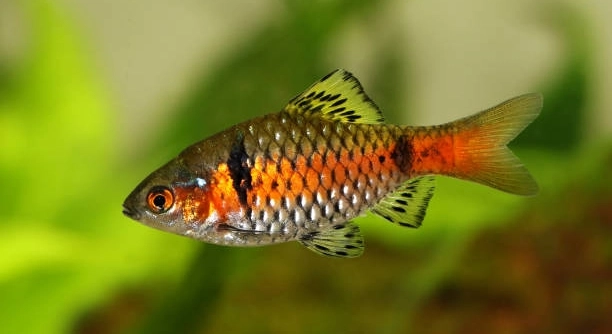
Rosy barbs are popular freshwater fish often kept in home aquariums. Many owners notice their fish behaving in patterns that seem linked to daily routines. Understanding how these fish respond to routine can improve their care and environment.
Rosy barbs can sense routine through environmental cues such as feeding times and light cycles. Their behavior adjusts predictably to these repeated stimuli, showing an ability to anticipate regular events and adapt accordingly. This helps maintain their well-being in captivity.
Recognizing these patterns can help create a stable habitat that supports the natural behaviors of rosy barbs and promotes their health.
How Rosy Barbs Recognize Routine
Rosy barbs rely heavily on environmental signals to recognize routine. Their internal biological clocks, known as circadian rhythms, help them track changes in light and darkness. When the aquarium light turns on and off at consistent times, rosy barbs begin to associate this with feeding and activity periods. Feeding times themselves act as strong routine markers. The fish learn to anticipate food based on previous experiences with timing and location. This leads to behaviors such as swimming near the feeding area before food is given. These patterns reduce stress by creating predictability in their environment. Predictability helps rosy barbs feel secure and encourages natural behavior. This adjustment to routine makes them more responsive and healthier. Consistent care and environmental stability are key to supporting these natural cycles, improving the overall well-being of rosy barbs in captivity.
Routine signals influence the behavior and health of rosy barbs by creating a structured environment. This structure helps them manage daily activities smoothly.
Routine recognition in rosy barbs affects feeding habits, rest, and social interaction. Fish kept on an irregular schedule may show signs of stress or decreased activity. Regular light cycles combined with consistent feeding times strengthen their internal clocks. This helps them maintain a balanced metabolism and reduces anxiety. When routines are disturbed, such as inconsistent feeding or sudden light changes, the fish can become confused and less active. Maintaining stable routines allows for predictable behavior patterns and supports natural biological functions. This also benefits aquarium owners by making fish care more manageable. Creating an environment with minimal disruptions helps rosy barbs thrive, ensuring they display vibrant colors and lively activity. Overall, routine plays an essential role in maintaining their physical and mental health.
Environmental Factors That Affect Routine
Light intensity and water conditions directly influence rosy barbs’ ability to follow routines. Sudden changes can disrupt their internal clocks and behavior. Stable water temperature, clean conditions, and steady light schedules are important.
Fish depend on these environmental factors to maintain consistent activity levels. Disruptions can lead to stress or illness.
Providing a calm and consistent habitat helps rosy barbs stay aligned with their routines. Avoid sudden changes in light or water conditions. Consistent feeding times and gentle handling reduce stress. Regular water changes keep the environment healthy and stable. Light should mimic natural day and night cycles, typically 10 to 12 hours of light daily. Excessive or irregular lighting may cause confusion and disrupt sleep cycles. Observing fish behavior regularly helps detect early signs of stress or routine disruption. By prioritizing steady environmental factors, you promote a sense of security for rosy barbs. This leads to improved appetite, color, and activity. A well-maintained habitat supports their natural rhythms and enhances their overall quality of life.
Signs That Rosy Barbs Follow Routine
Rosy barbs often show clear signs when they follow a routine. They swim actively near feeding times and gather around usual spots in the tank. Their behavior becomes predictable, reflecting comfort with their environment.
These fish tend to anticipate feeding by becoming more alert and gathering near the surface or feeding area. They also display regular swimming patterns during daylight and rest more when lights are off. Changes in these behaviors can indicate disruption in their routine or health issues. Observing these signs helps owners maintain a consistent schedule, which supports the fish’s natural rhythms.
Routine also influences social behaviors. Rosy barbs swimming in groups often synchronize their movements and feeding responses. When the routine is stable, they exhibit calmer interactions and less aggression. This stability improves their overall tank harmony, making it easier to care for them.
Tips for Establishing a Routine
Maintaining a consistent feeding and lighting schedule is essential for rosy barbs. Consistency helps the fish develop and stick to predictable daily patterns, reducing stress and improving health.
Start by feeding your rosy barbs at the same time each day, ideally twice daily with measured portions. Use an automatic timer for aquarium lights to create reliable day and night cycles. Keep water temperature stable and perform regular tank maintenance to support a healthy environment. Avoid sudden changes in their surroundings, such as moving the tank or adding new fish abruptly. Consistency reassures the fish and helps maintain their natural biological rhythms. These simple steps promote active behavior and vibrant colors, enhancing the aquarium’s visual appeal.
Impact of Irregular Schedules
Irregular feeding or lighting schedules can stress rosy barbs. This stress often leads to erratic behavior and loss of appetite.
Stress weakens their immune systems, making them vulnerable to illness. Consistency in care helps maintain their health and activity.
How Routine Supports Growth
Routine supports proper growth by regulating metabolism and reducing stress. When rosy barbs receive food and light consistently, their bodies function more efficiently. This leads to better development and vibrant coloration. Lack of routine can slow growth and cause health problems, making consistency crucial for thriving fish.
Adjusting Routine When Needed
Changes in routine should be gradual. Sudden shifts can confuse rosy barbs and cause stress.
FAQ
Can rosy barbs really learn feeding times?
Yes, rosy barbs quickly learn when feeding usually happens. They respond to consistent schedules by swimming actively near feeding spots just before food is given. This behavior shows they can associate time with feeding events, making them easier to care for.
What happens if I feed my rosy barbs irregularly?
Irregular feeding disrupts their routine and can cause stress. Stress often leads to loss of appetite, sluggishness, and weakened immune systems. Over time, inconsistent feeding may result in poor growth and dull colors. Sticking to a schedule keeps them healthier and more active.
How important is the aquarium lighting schedule?
A stable lighting schedule is vital for maintaining rosy barbs’ natural rhythms. Regular day and night cycles help regulate their sleep and activity patterns. Sudden or irregular lighting can confuse them, causing stress and irregular behavior.
Can rosy barbs recognize changes in their environment?
Yes, rosy barbs are sensitive to environmental changes. Sudden shifts in temperature, water quality, or tank arrangement may disrupt their routine and cause stress. Keeping conditions stable supports their health and routine.
How do I know if my rosy barbs are stressed?
Signs of stress include erratic swimming, hiding more often, loss of appetite, and faded colors. Stress can also increase susceptibility to diseases. Observing these signs early helps in adjusting care to improve their condition.
Is it okay to change feeding times occasionally?
Occasional changes should be gradual. Sudden shifts in feeding time can confuse rosy barbs and cause stress. If you need to adjust the schedule, do so slowly over several days to allow them to adapt comfortably.
Does routine affect social behavior in rosy barbs?
Yes, rosy barbs kept on consistent routines tend to have calmer social interactions. Stability reduces aggression and helps them swim and feed together peacefully, improving overall tank harmony.
What is the best way to establish a feeding routine?
Feed your rosy barbs twice daily at the same times each day with measured portions. Avoid overfeeding, which can harm water quality and fish health. Consistent timing builds anticipation and supports healthy digestion.
Can rosy barbs get bored with too much routine?
While rosy barbs thrive on routine, adding environmental enrichment like plants and hiding spots helps keep them stimulated. Variety in their environment supports mental health without disrupting their daily schedule.
How do I maintain a consistent light cycle?
Use an automatic timer to turn aquarium lights on and off at the same times daily. Aim for 10 to 12 hours of light each day, simulating natural daylight. This consistency supports their circadian rhythms and overall well-being.
Rosy barbs show clear signs that they can sense and follow routines in their environment. Their behavior often changes based on feeding times and light cycles. When these routines are consistent, rosy barbs appear more active, healthy, and calm. This shows how important regular care and stable conditions are for their well-being. Predictable routines help reduce stress, which in turn supports their natural rhythms and overall health.
Maintaining a steady schedule for feeding and lighting is one of the best ways to support rosy barbs. Feeding them at the same times daily allows them to anticipate food, which encourages regular activity and better digestion. A consistent light schedule helps regulate their sleep and active periods, making their behavior more predictable and balanced. Sudden changes or irregularities in these routines can confuse the fish, causing stress and sometimes health issues. Simple steps like using automatic timers for lights and measured feeding portions create a stable environment that benefits both the fish and their owners.
Finally, a well-maintained aquarium with stable water conditions and a quiet environment supports routine recognition in rosy barbs. These fish respond best when their surroundings do not change suddenly. Keeping the water clean and temperature steady helps maintain their natural cycles. Routine also influences their social behavior, reducing aggression and helping them live peacefully in groups. Overall, consistent care and attention to routine improve the life quality of rosy barbs and make caring for them a more rewarding experience.

Hello,
If you enjoy the content that we create, please consider saying a "Thank You!" by leaving a tip.
Every little bit helps us continue crafting quality advice that supports the health, happiness, and well-being of pets around the world, for pets of all shapes, sizes, and species.
We really appreciate the kindness and support that you show us!