
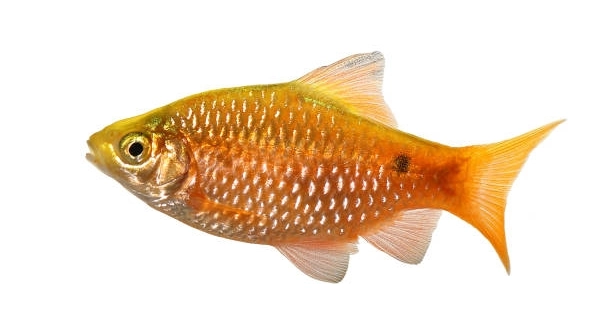
Rosy barbs are popular freshwater fish known for their vibrant colors and lively behavior. Many aquarists enjoy keeping them for their beauty and active nature in home tanks. Understanding their habits helps ensure they stay healthy and content.
Thriving rosy barbs exhibit clear, bright colors, active swimming patterns, regular feeding behaviors, and healthy social interactions. These signs reflect good water quality, appropriate diet, and a well-maintained environment essential for their overall well-being and longevity.
Recognizing these habits can improve how you care for your rosy barbs. The following guide will highlight key behaviors to watch for, helping you support your fish’s health and happiness.
Clear and Vibrant Coloration
Healthy rosy barbs display clear and vibrant colors that stand out in the aquarium. When their colors fade or become dull, it usually signals stress or poor water conditions. Proper lighting and clean water play a significant role in maintaining their bright hues. Feeding them a balanced diet rich in nutrients enhances their natural coloration. Avoid overcrowding the tank, as this can lead to stress and color loss. Regular water changes keep harmful toxins low, supporting their overall health. Watching for changes in color is an easy way to check if your rosy barb is thriving. Color changes should be gradual; sudden fading can mean illness or environmental problems. Maintaining a stable environment reduces the risk of color loss.
Strong coloration indicates good health and proper care, showing that your fish are comfortable and thriving.
Observing your rosy barbs regularly helps you notice these changes early. Adjusting tank conditions and diet will keep their colors vivid and your aquarium lively.
Active Swimming Patterns
Active swimming is a key sign that your rosy barb is healthy and well. Rosy barbs naturally swim in groups, darting around the tank with energy and confidence. A lively fish explores its environment and interacts with tank mates regularly. If you notice sluggish or hiding behavior, it may mean stress or illness. Provide plenty of space and hiding spots to support natural movement. Good water quality also encourages activity by reducing discomfort.
Swimming behavior reflects how comfortable your fish feels in its environment.
When your rosy barbs swim actively, it shows they have enough room and proper water conditions. It’s important to monitor their behavior daily. Limited movement or staying near the surface can signal oxygen problems or disease. Keeping the tank clean, avoiding sudden changes in temperature, and feeding on schedule all help maintain their energy levels. Group dynamics matter too, as rosy barbs are social fish and thrive in schools of five or more. Ensuring these conditions helps them stay active, happy, and healthy, making your tank a vibrant scene of movement.
Regular Feeding Behavior
Rosy barbs eat consistently when healthy and comfortable. They come to the surface or middle of the tank to feed without hesitation.
It is important to offer a varied diet, including flakes, pellets, and occasional live or frozen foods like bloodworms or brine shrimp. Feeding small amounts two to three times a day prevents overfeeding, which can harm water quality and fish health. Healthy rosy barbs show eagerness during feeding and quickly consume their food.
Uneaten food should be removed promptly to avoid water contamination. Balanced nutrition supports their energy, color, and immune system. Watching their feeding habits closely can help identify health issues early before they become serious.
Social Interaction and Group Behavior
Rosy barbs are schooling fish that thrive in groups. They swim together and establish a social hierarchy without aggression when kept in appropriate numbers.
Keeping at least five rosy barbs encourages natural behaviors such as coordinated swimming and playful chasing. Isolated fish may become stressed, shy, or lethargic. A well-maintained group reduces bullying and supports emotional well-being. Proper group size also lessens territorial disputes, creating a peaceful environment. Observing how they interact can reveal their comfort level and overall health. Healthy social behavior includes chasing, schooling, and synchronized movements without signs of distress or excessive hiding.
Healthy Fins and Body
Rosy barbs with healthy fins swim smoothly without fraying or clamping. Their bodies appear free of spots, lesions, or swelling.
Strong fins and a clean body surface indicate good water conditions and low stress. Regular observation helps detect infections or injuries early.
Consistent Growth and Size
Rosy barbs grow steadily when their environment supports their needs. Growth slows or stops if water quality, diet, or space are inadequate. Proper nutrition and tank conditions promote healthy development. Watching size changes over time helps assess overall well-being and detect potential problems.
Calm Resting Behavior
Rosy barbs rest calmly near plants or decorations, not staying hidden or motionless for long periods. Regular resting shows a balanced daily rhythm and comfort within the tank environment.
FAQ
How often should I feed my rosy barbs?
Feeding rosy barbs two to three times a day in small portions is best. Overfeeding can pollute the water and harm their health. It’s better to give them just enough food to finish within a few minutes. Including a mix of flakes, pellets, and occasional live or frozen treats supports their nutrition.
What is the ideal tank size for rosy barbs?
Rosy barbs need at least a 20-gallon tank for a small group of five or more. They are active swimmers and need enough space to move freely. A cramped tank can cause stress, aggression, and poor health. A larger tank also helps maintain stable water conditions.
Can rosy barbs live with other fish?
Yes, rosy barbs can live with peaceful community fish. Avoid slow-moving or long-finned species because rosy barbs may nip fins. Good tank mates include danios, tetras, and other similar-sized fish. Always monitor interactions to prevent bullying.
How often should I change the water?
Changing 20-25% of the tank water weekly is ideal. This keeps the water clean and reduces toxins. Regular water changes prevent disease and help maintain stable conditions. Always treat tap water with a dechlorinator before adding it to the tank.
What temperature do rosy barbs prefer?
Rosy barbs thrive in temperatures between 68°F and 78°F (20°C to 26°C). Sudden temperature changes can cause stress and illness. Use a reliable heater and thermometer to maintain stable temperatures within this range.
How can I tell if my rosy barb is stressed?
Signs of stress include faded colors, hiding, erratic swimming, or loss of appetite. Stress often results from poor water quality, overcrowding, or sudden changes in the tank. Addressing these issues quickly can prevent serious health problems.
What should I do if my rosy barb gets sick?
Isolate the sick fish in a separate tank to avoid spreading disease. Test water parameters and correct any issues. Consult a fish health guide or a professional for appropriate medication based on symptoms. Early treatment improves chances of recovery.
Do rosy barbs need a special diet?
No special diet is required, but variety is important. A mix of quality flakes or pellets with live or frozen foods like brine shrimp or bloodworms keeps them healthy. Avoid overfeeding and remove leftovers to maintain water quality.
How many rosy barbs should I keep together?
A group of at least five is recommended. They are schooling fish and feel safer in numbers. Smaller groups may lead to stress or aggression. Keeping a proper school encourages natural behavior and social interaction.
Can rosy barbs breed in a home aquarium?
Yes, they can breed if conditions are right. Provide a separate breeding tank with soft, slightly acidic water and plenty of plants for hiding. After spawning, remove the adults to prevent them from eating the eggs. Fry need very fine food until they grow larger.
What kind of decorations do rosy barbs prefer?
Rosy barbs like tanks with plants, open swimming areas, and hiding spots such as rocks or driftwood. Avoid sharp decorations that can injure their fins. A balanced environment helps reduce stress and encourages natural behavior.
How do I maintain good water quality for rosy barbs?
Use a good filter, perform regular water changes, and avoid overfeeding. Test water regularly for ammonia, nitrites, and nitrates. Keeping parameters stable supports fish health and prevents disease. Proper maintenance makes your tank a safe home.
Are rosy barbs suitable for beginners?
Yes, rosy barbs are hardy and relatively easy to care for. They adapt well to a range of water conditions but still need proper care. Maintaining tank cleanliness and stable conditions is essential for their well-being.
Can rosy barbs tolerate different pH levels?
They prefer slightly acidic to neutral water, with a pH between 6.5 and 7.5. Extreme pH levels can cause stress and health problems. Regular testing and adjustment help keep water within this safe range.
What is the lifespan of rosy barbs?
With good care, rosy barbs live about 5 to 7 years. Their lifespan depends on water quality, diet, and tank conditions. Proper maintenance and attention to their needs help ensure they live a full, healthy life.
Final Thoughts
Caring for rosy barbs involves paying attention to their habits and environment. These fish show clear signs when they are healthy and thriving, such as bright colors, active swimming, and social behavior. Watching these habits closely can help you spot problems early. Regular maintenance of the tank, including clean water and a balanced diet, is important. Small efforts in care go a long way in keeping rosy barbs healthy. Understanding their needs helps create a stable and comfortable home for them.
A well-maintained tank with proper water quality and space supports the natural behaviors of rosy barbs. They are active fish that enjoy swimming in groups and need enough room to move freely. Overcrowding and poor water conditions can lead to stress, illness, and loss of color. Providing hiding places and a varied diet also helps meet their physical and emotional needs. Consistency in care routines, like feeding schedules and water changes, plays a major role in their well-being. Taking these steps ensures your rosy barbs can live longer and healthier lives.
Observing your rosy barbs daily helps build a strong connection with their behavior and health. By noticing their swimming patterns, eating habits, and social interactions, you can adjust care as needed. Healthy rosy barbs are more vibrant, active, and interactive, which adds life to your aquarium. While they are hardy fish, they still need attention and proper conditions to thrive. Keeping up with their basic needs will reward you with a lively and beautiful tank. This careful approach benefits both the fish and the overall aquarium environment.

Hello,
If you enjoy the content that we create, please consider saying a "Thank You!" by leaving a tip.
Every little bit helps us continue crafting quality advice that supports the health, happiness, and well-being of pets around the world, for pets of all shapes, sizes, and species.
We really appreciate the kindness and support that you show us!