
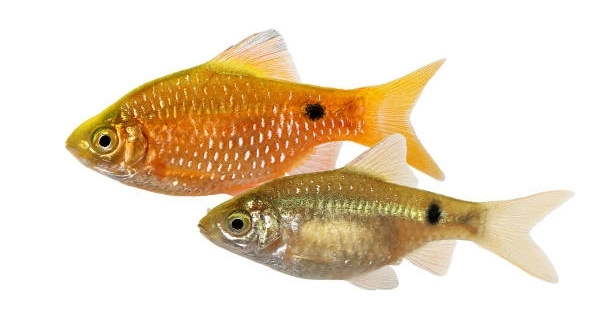
Are your rosy barbs spending more time apart instead of swimming together like they used to? This behavior can seem confusing at first. Understanding what’s behind the change can help you create a better environment for them.
Rosy barbs may avoid each other due to stress, poor water conditions, illness, or an imbalanced group dynamic. Environmental changes, aggressive tankmates, or a lack of hiding spaces can also contribute to their sudden shift in behavior.
Understanding these factors will help you support their social needs and create a healthier, more balanced aquarium environment for your fish.
Common Reasons Rosy Barbs Avoid Each Other
Rosy barbs are known for their active and social nature, so sudden avoidance is often a sign that something has changed. Stress is one of the most common triggers, often caused by poor water quality, sudden shifts in temperature, or an overcrowded tank. A lack of space can lead to territorial behavior, especially if there are not enough hiding spots. Sometimes, one fish may become dominant or aggressive, forcing others to isolate. Illness or injury can also cause fish to stay away from the group, as sick individuals naturally withdraw. Another factor is gender balance—too many males can lead to constant chasing, making females retreat. Observing their behavior closely can reveal which of these factors is causing the issue. Once identified, small adjustments to the tank environment or group composition can make a big difference in how your rosy barbs interact and behave.
Always keep a close eye on new fish or changes in their environment.
Small details, like tank decoration or the number of plants, can influence how comfortable and safe your rosy barbs feel. If something causes them to feel insecure or cornered, they may separate or hide.
How to Encourage Social Behavior Again
Start by testing the water parameters to rule out pH imbalance, ammonia spikes, or low oxygen levels.
Make sure the tank is large enough for their active nature—20 gallons or more is ideal for a group of five or six. Add live or artificial plants to give them space to hide and explore. Keep the water clean with regular partial changes, and maintain a steady temperature between 72°F and 78°F. Use a proper filter to support oxygen levels and reduce waste. Avoid placing overly aggressive tankmates with rosy barbs, as they prefer peaceful companions. If the group dynamic seems off, consider adjusting the ratio of males to females—one male for every two females often works best. Observe feeding habits to ensure all fish are getting enough food and aren’t being bullied or left out. Once these conditions are met, rosy barbs typically resume their playful swimming and active group behavior. Social interaction will often improve naturally once their stress is reduced and they feel secure again.
Signs Your Rosy Barbs Are Stressed
Watch for signs like dull or faded colors, frayed fins, or a sudden drop in activity. If they’re constantly hiding, not eating well, or darting around nervously, something is likely making them uncomfortable or anxious.
Stress in rosy barbs often shows through changes in behavior and appearance. If they begin isolating themselves, swimming erratically, or breathing heavily near the surface, it’s a strong indicator that their environment isn’t right. These behaviors can develop quickly, especially after a tank cleaning, water change, or a new addition to the aquarium. Even minor disruptions like loud noises or frequent tapping on the glass can create ongoing tension. It’s important to observe the group carefully and consistently, noting even small changes in how they interact. Stress doesn’t always present immediately, but once it sets in, it can lead to more serious health issues if not addressed promptly.
You may also notice a loss of appetite or weight loss, which often goes hand in hand with stress. Their natural social habits disappear, and the tank becomes noticeably quieter or less active. If one fish is acting aggressively, it can create a ripple effect, causing the others to retreat or become withdrawn. A calm, balanced setup is key to avoiding these problems.
When to Intervene and What to Adjust
If the separation continues for more than a few days or worsens over time, it’s a sign you need to step in. Waiting too long may lead to long-term health issues or worsening aggression between the fish.
First, check water conditions with a reliable test kit. Stable parameters—pH, ammonia, nitrite, and nitrate—are essential. Adjust the lighting if it’s too harsh or bright. Create shaded areas using floating plants or driftwood to help them feel secure. Remove aggressive tankmates if bullying is a factor. Review how much and how often you feed, as overfeeding can cause water issues and underfeeding leads to food competition. Consider rearranging tank decorations to disrupt established territories and give all fish a fresh start. If group size is a problem, adding a few more barbs can help ease tension, as rosy barbs feel safer in larger groups. Making gradual, careful changes can help bring back balance without creating new stress. Always give them time to adjust.
Group Dynamics and Gender Balance
Rosy barbs thrive in groups, but too many males can lead to constant chasing and unwanted stress. A 2:1 female-to-male ratio often works best to maintain peace and reduce aggression within the group.
If you notice one fish constantly being pursued, it may be due to an imbalance in gender. This can make others isolate or become inactive.
Environmental Setup Matters
Tank setup plays a big role in how rosy barbs behave. They need space to swim, as well as areas to retreat when they feel threatened. Plants, rocks, and decorations provide hiding spots and help reduce stress. A 20-gallon tank is a good starting point for a small group. Make sure there’s enough open space for free movement, but also enough coverage to break line of sight and reduce tension between fish. Avoid placing mirrors or overly reflective surfaces, as they can increase aggression. Dim lighting or floating plants can also help create a calmer environment where barbs feel safe and secure.
Feeding and Competition
Overcrowding around feeding time can lead to tension. Spread the food in different areas of the tank to reduce competition. This helps all fish eat calmly and minimizes chasing or territorial behavior.
Why are my rosy barbs suddenly avoiding each other?
Rosy barbs may avoid each other due to stress, illness, or changes in their environment. Poor water quality, overcrowding, or aggressive tankmates can make them uncomfortable. They might also be adjusting to new fish or changes in tank layout. Stress causes shy or hiding behavior, which looks like avoidance.
Can illness cause rosy barbs to separate?
Yes, sick fish often isolate themselves from the group. Illness lowers their energy, making them less social and more withdrawn. Watch for signs like faded colors, clamped fins, or unusual swimming patterns. Early treatment and quarantine of sick fish help prevent spreading disease and restore social behavior.
How important is tank size for rosy barbs’ social behavior?
Tank size is very important. Rosy barbs are active swimmers and need at least 20 gallons for a small group. A cramped tank causes stress, territorial fights, and avoidance. Providing enough space allows natural social interaction and reduces conflicts.
Does the number of fish in the tank affect their behavior?
Yes. Rosy barbs are schooling fish and feel safer in groups of five or more. Too few fish can make them shy or stressed. A larger group helps spread out aggression and encourages social swimming, which reduces avoidance.
How does water quality affect rosy barbs’ interactions?
Poor water quality causes stress and illness, leading to fish hiding or avoiding others. Maintaining stable pH, low ammonia, nitrite, and nitrate levels is essential. Regular water changes and testing help keep the environment healthy and promote natural social behavior.
Can tank decorations influence rosy barbs’ behavior?
Absolutely. Plants, rocks, and hiding spots give shy fish places to retreat and break line of sight, reducing aggression. Too little cover can cause stress and force fish to isolate. Rearranging decorations can also disrupt established territories and ease tensions.
How do I reduce aggression among rosy barbs?
Balance the group with more females than males, usually two females for each male. Avoid overcrowding and aggressive tankmates. Provide enough space and hiding places. Feeding evenly and regularly helps prevent food competition and chasing.
Is temperature important for rosy barbs’ social behavior?
Yes. Rosy barbs prefer a stable temperature between 72°F and 78°F. Sudden changes or extremes can stress them, causing withdrawal or aggression. Use a heater and thermometer to maintain consistent temperature.
Why do rosy barbs chase each other, and how does this affect social behavior?
Chasing is often linked to mating behavior or establishing dominance. While some chasing is normal, excessive chasing can stress fish and cause avoidance. Managing group size, gender ratio, and tank environment helps reduce harmful chasing.
What should I do if one rosy barb is bullying others?
Separate the aggressive fish temporarily if bullying is severe. Check if the tank is overcrowded or if there are too many males. Rearranging the tank or adding more hiding spots can reduce aggression. Reintroduce the fish carefully once balance is restored.
Can stress from loud noises or vibrations affect rosy barbs?
Yes. Loud sounds, tapping on the glass, or vibrations can scare rosy barbs and cause them to hide or avoid each other. Keep the tank in a quiet area and minimize sudden disturbances to maintain calm behavior.
How often should I feed rosy barbs to maintain good social interaction?
Feed small amounts 1-2 times daily, enough for them to finish in a few minutes. Overfeeding pollutes water, causing stress, while underfeeding leads to competition and aggression. Even feeding reduces fighting and encourages peaceful swimming.
What are the best tank mates for rosy barbs?
Choose peaceful, similarly sized fish like danios, platies, or tetras. Avoid aggressive or territorial species that cause stress. Compatible tank mates help maintain a calm atmosphere where rosy barbs can socialize without fear or avoidance.
How long does it take for rosy barbs to adjust to new tank conditions?
Adjustment can take days to weeks. Changes like new fish, decorations, or water parameters need time for fish to feel secure. Patience and stable conditions encourage shy or avoiding fish to rejoin the group naturally.
When should I consider separating a shy or avoiding rosy barb?
Separate only if the fish is injured, severely stressed, or sick. Otherwise, improving tank conditions and social balance is usually enough. Quarantine helps recovery but long-term isolation can cause loneliness and worsen behavior.
Rosy barbs are naturally social fish that enjoy swimming in groups. When they start avoiding each other, it usually means something in their environment or group is causing stress or discomfort. Paying close attention to water quality, tank size, and group dynamics is essential to keeping them healthy and active. Small changes like adjusting the number of males and females, adding plants or hiding spots, and maintaining clean water can make a big difference. These fish rely on feeling safe and comfortable, and meeting their basic needs helps them return to their normal social behavior.
It is common for fish to act differently when they are sick, stressed, or in an overcrowded tank. Avoidance is often a way for fish to protect themselves when something feels wrong. By regularly testing water conditions and observing behavior closely, you can catch problems early. If one fish becomes aggressive or a change in the tank setup causes tension, making adjustments quickly is important. Creating a peaceful and stable environment gives your rosy barbs the chance to thrive and enjoy their natural schooling habits once again.
Keeping rosy barbs together happily takes some effort, but it is rewarding to see them swim freely and interact. Each tank is unique, so learning what works best for your group is part of the process. Consistency in care, patience, and attention to detail are key factors. Over time, you will better understand their needs and how to prevent problems. With proper care, your rosy barbs can live a healthy and active life, avoiding unnecessary stress and enjoying the company of their tankmates.

Hello,
If you enjoy the content that we create, please consider saying a "Thank You!" by leaving a tip.
Every little bit helps us continue crafting quality advice that supports the health, happiness, and well-being of pets around the world, for pets of all shapes, sizes, and species.
We really appreciate the kindness and support that you show us!