
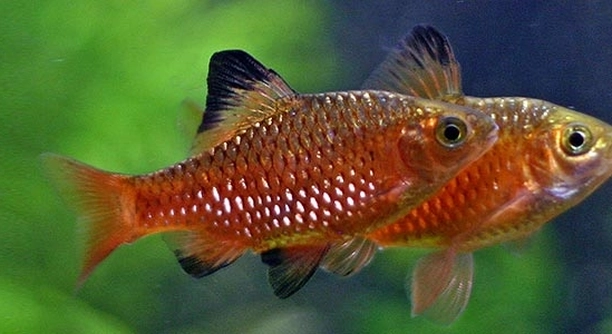
Is your Rosy Barb acting differently, hiding more often, or showing signs of stress when placed in a shared tank with others?
Rosy Barbs can be bullied when housed with aggressive tank mates, resulting in physical damage, erratic swimming, or isolation. These behaviors signal stress, which can lead to illness or even death if not addressed promptly.
Recognizing early signs of bullying can help you create a safer, more peaceful environment for your Rosy Barb to thrive in.
Rosy Barb Is Constantly Hiding
When a Rosy Barb is being bullied, it often spends most of its time hiding behind plants, decorations, or in corners of the tank. This behavior is not typical for an active fish like the Rosy Barb. If it suddenly becomes withdrawn, it’s likely feeling threatened or stressed. Bullied fish try to avoid interactions with aggressive tank mates by staying out of sight. You may also notice it avoiding feeding times or darting away from other fish. These are early signs of social stress. Left unchecked, this can weaken the fish’s immune system and make it more vulnerable to disease. Fish that are constantly hiding are not able to behave naturally, which impacts their overall health and quality of life. It’s important to monitor tank behavior regularly so you can catch subtle changes early. Rearranging tank decor can also help reduce aggression by breaking up established territories.
A stressed Rosy Barb will not hide without reason. Watch how other fish behave around it and take notes.
Giving your fish more plants, rocks, and visual barriers can provide them with safer spaces. Avoid overcrowding the tank, as this can cause tension between tank mates. Sometimes, simply separating aggressive fish improves overall tank harmony.
Torn Fins or Missing Scales
Physical damage is one of the clearest signs of bullying in Rosy Barbs.
If you see torn fins, missing scales, or red marks on your Rosy Barb, it’s likely being nipped or chased by other fish. These signs usually appear after repeated physical confrontations in the tank. Rosy Barbs are generally peaceful but can be targets if housed with territorial or fin-nipping species. Injuries often start small and worsen quickly if the bullying continues. A fish with open wounds becomes vulnerable to infections like fin rot, which can spread if untreated. It’s important to observe your fish during feeding and active hours. If one or more tank mates are constantly chasing or nipping at your Rosy Barb, it may be time to separate them. Moving the aggressive fish or placing a divider in the tank can give the injured fish time to heal. Maintain clean water conditions and consider adding a small dose of aquarium salt to support recovery.
Loss of Appetite
A Rosy Barb that suddenly stops eating may be reacting to constant stress from aggressive tank mates. Bullying causes anxiety, which can suppress appetite and lead to malnutrition over time. Skipped meals should never be ignored.
When a Rosy Barb is being harassed during feeding time, it often avoids coming near food. It may swim away quickly or linger at the back of the tank. This behavior not only causes weight loss but can weaken its immune system. Over time, the fish may appear sluggish, with duller coloration and less activity overall. If other fish are aggressively guarding the food or chasing your Rosy Barb away, it’s time to change your tank dynamics. Feed in different areas, or use floating rings to separate food zones. Observing meal routines closely helps you catch these signs early and take action before the fish’s health declines.
Improper tank mate pairing is a common reason behind feeding-time aggression. Some species are naturally more dominant and territorial, especially around food. When Rosy Barbs are placed with fast or aggressive eaters, they struggle to compete. Spread out feedings to reduce tension and ensure your Rosy Barb has time to eat undisturbed. Consider isolating it temporarily if it continues to skip meals. Proper feeding is essential to help it regain energy and recover.
Erratic Swimming Behavior
Erratic swimming in Rosy Barbs is often a reaction to stress caused by bullying. This includes darting around the tank, crashing into objects, or staying near the surface or bottom.
When a Rosy Barb is being chased frequently, it may start swimming in sharp bursts, as if trying to escape. You might notice it zig-zagging or suddenly stopping and freezing in place. These behaviors are signs of panic and fear. Over time, this can exhaust the fish, making it more prone to illness. Rosy Barbs are normally active and curious, but their swimming should be smooth and controlled. When that changes suddenly, tank aggression is often the cause. Keeping an eye on how your fish move throughout the day can reveal patterns. If the same fish is always being followed or harassed, separating the aggressor may be necessary to stop the behavior and protect the Rosy Barb’s health.
Dull or Faded Color
A bullied Rosy Barb may lose its bright coloration. Stress impacts pigment cells, making the fish appear pale or washed out. This can happen gradually or show up as sudden fading after a confrontation in the tank.
Color changes often reflect poor health or emotional stress. If water quality and diet are fine, bullying could be the cause.
Labored Breathing
Heavy or rapid breathing is a clear sign that your Rosy Barb is stressed or exhausted from constant chasing. You may notice the gills moving faster than usual, or the fish staying near the surface to get more oxygen. This isn’t normal. Even if your tank’s oxygen level is stable, stress alone can cause these symptoms. Consistent bullying can tire the fish out to the point where it struggles to recover. It’s important to intervene early. Move aggressive tank mates or add visual barriers to reduce chasing. Improving your Rosy Barb’s environment can help it breathe normally again and reduce long-term harm.
Frequent Isolation
Rosy Barbs are naturally social, so one that avoids the group is likely under stress. Constant isolation is a protective behavior to avoid aggressive tank mates.
FAQ
How can I tell if my Rosy Barb is being bullied or just shy?
Rosy Barbs are naturally active and social, so a shy Rosy Barb is unusual. If your fish is hiding more often, not eating well, or staying away from the group, these are signs of stress—not shyness. Bullied Rosy Barbs tend to avoid contact, even during feeding times. Watch how the other fish interact with it. If you see chasing, nipping, or one fish dominating a certain part of the tank, bullying is likely happening. A shy fish won’t have torn fins or faded colors, but a bullied fish often will.
What types of fish bully Rosy Barbs?
Aggressive or territorial fish are more likely to bully Rosy Barbs. These include some species of Cichlids, Tiger Barbs, and larger Gouramis. Even other Rosy Barbs can become aggressive if the tank is overcrowded or lacks structure. Male Rosy Barbs, in particular, may fight each other if there aren’t enough hiding spots or if they are competing during mating periods. Fast, nippy fish that like to chase can also cause stress, especially in tight spaces. Always research compatibility before adding new fish to the tank.
Can Rosy Barbs recover from bullying?
Yes, Rosy Barbs can recover if the bullying is addressed early. Move them to a calmer space or remove the aggressive tank mates. Healing depends on how quickly the issue is handled. With clean water, proper food, and a safe tank environment, physical wounds can heal in a few weeks. Their color and appetite usually return once the stress is gone. Keeping the tank peaceful and well-maintained helps prevent long-term effects. Isolating the stressed Rosy Barb temporarily can also give it the break it needs to rebuild strength.
What tank setup helps prevent bullying?
A spacious tank with plenty of hiding spots works best. Use live or artificial plants, caves, or decorations to break up sightlines and reduce aggression. Rosy Barbs prefer being in groups of at least five to six of their own kind. A proper group size helps spread out aggressive behavior and gives each fish space. Avoid overcrowding, as that creates more stress and territorial behavior. Maintain stable water parameters, and feed in different areas of the tank to reduce food competition. A peaceful setup can greatly reduce the chances of bullying.
Should I separate the bullied Rosy Barb right away?
If the bullying is ongoing and causing physical damage or signs of illness, it’s best to separate the Rosy Barb. Use a breeding box or set up a temporary isolation tank. This gives the fish time to rest and heal without constant stress. While isolation is helpful short-term, it’s not a permanent fix. You’ll also need to address the behavior of the aggressive fish or change your tank layout. Separating one fish doesn’t solve the overall problem unless changes are made to prevent it from happening again.
Why is my Rosy Barb suddenly aggressive toward others?
Sometimes a Rosy Barb that was bullied becomes aggressive later, especially if the tank is too small or unbalanced. Stress, lack of space, or changes in group dynamics can trigger this. Male Rosy Barbs may also become territorial during breeding periods. Make sure the tank has enough room, hiding spots, and a good male-to-female ratio. Keep a balanced group to avoid tension. If the behavior continues, you may need to rearrange the tank or remove the aggressive fish to keep peace.
How long does it take for a bullied Rosy Barb to heal?
With proper care, healing can start within a few days, but full recovery may take several weeks. Minor fin damage often heals in one to two weeks if the water is clean and stable. More serious injuries or stress-related issues, like appetite loss or faded color, may take longer. During this time, avoid further stress, feed high-quality food, and maintain good tank conditions. Keep monitoring for signs of improvement. If the fish doesn’t get better or worsens, it may need medical treatment or a longer recovery in a separate tank.
Final Thoughts
Rosy Barbs are peaceful, active fish that do best in calm, well-structured tanks. When they show changes like hiding, torn fins, or avoiding food, it’s often a sign something is wrong. Bullying is more common than many people think, especially in community tanks that are overcrowded or poorly balanced. Small signs of stress should not be ignored. Fish may not cry or make noise, but their behavior shows a lot about how they’re feeling. If your Rosy Barb is acting differently, it’s important to watch closely and make changes early. These small steps can prevent more serious health issues later on.
Creating a safe space for your Rosy Barb starts with choosing the right tank mates. Not every species gets along well, and even peaceful fish can become aggressive if the tank is too small or lacks structure. Adding plants, decorations, and hiding areas gives each fish a chance to rest and stay out of sight when needed. Group size also matters. Rosy Barbs are social fish, and keeping them in a proper school helps spread out any unwanted behavior. Feeding in multiple spots and keeping the water clean also reduces stress. These changes may seem simple, but they make a big difference over time.
Caring for a bullied Rosy Barb takes patience, attention, and a little effort. Once you identify the signs, it becomes easier to take action. Whether that means rearranging the tank, adding more plants, or moving aggressive fish, each step brings your Rosy Barb closer to feeling safe again. Over time, their color comes back, their appetite improves, and they begin swimming freely again. A peaceful tank is not only better for your Rosy Barb but also for every other fish living in it. Staying aware and making adjustments when needed helps your fish live a healthier, happier life.

Hello,
If you enjoy the content that we create, please consider saying a "Thank You!" by leaving a tip.
Every little bit helps us continue crafting quality advice that supports the health, happiness, and well-being of pets around the world, for pets of all shapes, sizes, and species.
We really appreciate the kindness and support that you show us!