
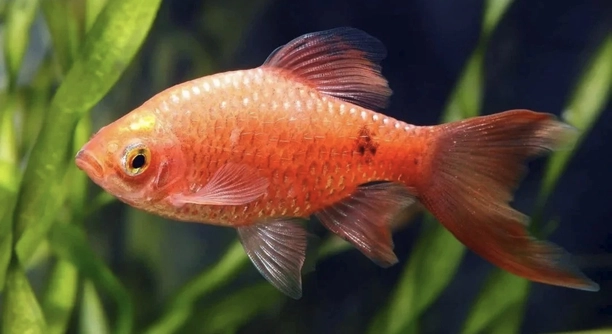
Have you ever watched your rosy barbs swimming peacefully and wondered if they’re truly happy in their tank environment?
Content rosy barbs display calm swimming patterns, vibrant coloring, and social interaction with tank mates. These behaviors suggest a sense of comfort and stability, indicating that their physical and environmental needs are being met effectively.
There’s more to their behavior than meets the eye, and understanding it can help you create a more peaceful home for them.
Signs Your Rosy Barbs Are Content
When rosy barbs feel comfortable in their tank, their behavior becomes easy to recognize. You’ll notice them swimming with a smooth, relaxed motion, often gliding around in small groups. They enjoy staying active, especially when they have enough space and plants to explore. Their colors become more vibrant when they’re content, with deep red or pink shades standing out clearly. A healthy appetite is another sign—they eagerly swim up during feeding time without hesitation. You may also see them interacting with other fish in a non-aggressive way. Mild chasing is normal but shouldn’t appear stressful. These actions reflect a stable and well-balanced tank setup. Clean water, consistent temperatures, and a stress-free environment all contribute to how your fish behave daily. Content rosy barbs simply appear more “alive” and expressive, and the changes in their appearance and activity show how well they’re doing under your care.
Regular movement and vivid color are signs that everything is working well in their setup.
If your rosy barbs are calm, colorful, and interactive, they’re likely feeling safe. It shows their surroundings meet their needs without pressure or stress. Recognizing this behavior helps you adjust anything that may affect their mood or daily habits.
What Keeps Rosy Barbs Happy
Clean, balanced water is essential to keeping rosy barbs healthy and content in their tank.
Rosy barbs thrive in water that is well-filtered, oxygen-rich, and kept at a consistent temperature between 72–78°F. Water quality affects not only their health but also their energy and colors. Ammonia and nitrite levels must remain at zero, and nitrate should be kept low with regular water changes. A spacious tank with open swimming areas and some live plants gives them both freedom and security. Avoid overcrowding, as this may cause stress. They are social fish, so keeping them in groups of at least five prevents loneliness and keeps them active. Feeding them a varied diet of flakes, vegetables, and occasional protein supports their health. Strong lighting also enhances their color, and a quiet location helps reduce sudden movements or loud sounds. Every choice you make in their setup affects how they respond daily, from their swimming patterns to their overall energy and appearance.
How Rosy Barbs Express Discomfort
Rosy barbs may show signs of discomfort through erratic swimming, dull coloring, or hiding more than usual. These behaviors suggest something in their environment isn’t right, whether it’s water quality, stress, or lack of social interaction.
When rosy barbs are stressed, they may dart around the tank quickly, bump into objects, or gasp near the surface. These actions often point to poor water conditions or a sudden change in temperature. Faded colors are another signal—they lose their bright shades when they feel unsafe. In some cases, they isolate themselves or stay near the bottom of the tank. You might also notice changes in appetite. If they stop eating or eat less than usual, it’s worth checking your tank’s parameters and feeding schedule. These are not just random behaviors; they are early signs that something in their surroundings needs to be corrected before it affects their health.
Tank aggression is another sign of stress. Rosy barbs may start nipping or chasing each other more frequently when the tank is overcrowded or poorly set up. While they’re normally active and social, excessive chasing can be harmful and lead to injuries. This behavior should be monitored and handled by adjusting tank size or group numbers.
The Role of Routine and Consistency
Rosy barbs feel most at ease when their environment remains stable. Consistent lighting, feeding schedules, and water changes all contribute to their sense of comfort. Sudden shifts can confuse them and lead to anxious behaviors.
Feeding them at the same time each day helps create a rhythm they can rely on. Keep their diet consistent but varied—offer flakes, vegetables, and frozen treats in rotation. Perform partial water changes weekly to prevent waste buildup and keep the water parameters steady. Avoid sudden changes in temperature or lighting, as it can startle them. If introducing new fish, do it slowly to avoid disrupting their balance. Maintaining this consistency helps them feel secure and allows their natural behavior to show. When rosy barbs know what to expect, they spend less time adjusting and more time exploring, interacting, and swimming peacefully in their tank. Small routines truly go a long way.
Common Mistakes to Avoid
Overfeeding is one of the most common mistakes. Uneaten food sinks and pollutes the water, affecting both the tank’s cleanliness and the fish’s health. Feed small amounts they can finish within two minutes.
Another mistake is using a tank that’s too small. Rosy barbs need space to swim freely. A cramped environment increases stress and aggression, leading to unhealthy behaviors.
How Tank Mates Affect Behavior
Rosy barbs are active and do best with other peaceful fish that enjoy similar water conditions. Keeping them with slow-moving or long-finned fish can lead to problems. They may nip or chase these tank mates. Choose companions like danios or other barbs, as they share a similar pace and temperament. Avoid overcrowding the tank, and always watch for signs of tension. Rosy barbs are social but need space and compatible company. The wrong mix can change their behavior quickly. A calm tank environment allows them to stay content, maintain strong colors, and behave naturally.
Why Enrichment Matters
Live plants, rocks, and open swimming areas help reduce boredom and encourage natural behaviors. A varied layout keeps them engaged and active throughout the day.
FAQ
How do I know if my rosy barbs are playing or fighting?
Rosy barbs are naturally active and often chase each other. If the chasing is gentle, brief, and no one is hiding or getting injured, it’s likely playful behavior. However, if one fish constantly targets another, causes torn fins, or prevents others from eating, that’s aggression. Increase tank size, add hiding spots, or check for overcrowding. Keeping them in groups of five or more helps reduce this kind of stress. Watching closely over a few days will help you tell the difference.
What should I feed rosy barbs to keep them happy and healthy?
Offer them a mix of quality flakes, blanched vegetables like zucchini or spinach, and occasional protein such as brine shrimp or bloodworms. Rotate their diet to provide variety and balanced nutrients. Feed small amounts once or twice daily. Too much food causes waste and poor water quality, so avoid overfeeding. If any food remains after a couple of minutes, you’re giving too much. Healthy rosy barbs show excitement during feeding but should not appear frantic or bloated afterward.
Do rosy barbs need a heater in their tank?
Yes, a heater is usually necessary. Rosy barbs thrive in water temperatures between 72–78°F. Sudden temperature changes can lead to stress, illness, or poor behavior. A stable environment supports their immune system and keeps their energy levels high. Use a reliable heater and a thermometer to monitor the temperature daily. Cold water slows them down and dulls their color, while high temperatures can make them restless. Consistency in temperature is more important than simply staying within the range.
How large should their tank be?
A group of five rosy barbs needs at least a 30-gallon tank. They are fast swimmers and need space to stay active. A cramped tank limits movement and can lead to stress or aggression. Adding plants and open areas helps give them structure and swimming room. Always consider future growth and filter strength when choosing a tank size. A larger tank is easier to maintain and provides better long-term stability.
Can rosy barbs live alone?
No, they are social fish and should not be kept alone. A solitary rosy barb will often become inactive, hide frequently, or lose its appetite. Keeping them in groups of at least five allows them to interact naturally and stay emotionally balanced. Without companions, their behavior becomes dull, and they may even show signs of stress. If you’re setting up a new tank, plan for a proper group from the start.
Why do rosy barbs sometimes lose their color?
Dull or faded color can be a sign of stress, poor water quality, or illness. It may also happen if they aren’t receiving enough light or proper nutrition. Ensure your tank conditions are stable, and check for ammonia, nitrite, and nitrate levels. A varied diet and consistent lighting can help restore their vibrant hues. Observe their behavior too—if they’re also hiding or not eating, something may be wrong. Fixing the issue early helps them bounce back quickly.
Do rosy barbs need light at night?
No, they don’t need light at night. Like most fish, they need a period of darkness to rest. Leaving the light on at night can cause stress and disrupt their natural rhythm. Use a timer to provide 8–10 hours of light daily, followed by darkness. If you want to watch them at night, use a dim blue moonlight setting for a short period, but avoid making it a routine. Rest helps maintain their health and behavior.
Can rosy barbs live with live plants?
Yes, they can live with live plants, and they often benefit from them. Plants offer hiding spots, improve water quality, and create a more natural environment. Choose sturdy plants like Java fern, Anubias, or Amazon sword, as rosy barbs may nibble on delicate leaves. Live plants also help reduce stress and boredom. They make the tank more visually appealing and help your fish feel secure. If cared for properly, plants and rosy barbs thrive together in the same setup.
Final Thoughts
Keeping rosy barbs content is not complicated, but it does require consistency and attention. These fish respond well to stable water conditions, peaceful surroundings, and enough space to swim freely. When they feel safe, they show it through bright colors, calm swimming, and active social behavior. A well-maintained tank with clean water, good filtration, and appropriate temperature helps them stay healthy and relaxed. Feeding them a balanced diet and avoiding sudden changes also plays a key role in their overall behavior. It’s important to watch them regularly so you can spot any signs of stress or changes in their habits early on. Small adjustments in your setup can make a big difference in how they behave and how long they stay healthy.
Rosy barbs are social and energetic by nature, so keeping them in a proper group is just as important as tank size or water quality. When they have company, they interact in playful ways that show they are at ease. Too few tank mates or the wrong ones can lead to stress, aggression, or boredom. Giving them an enriching space with plants and room to move around helps them stay engaged. Even the way you feed them matters—keeping a steady feeding schedule helps them feel more secure. These simple routines, when followed regularly, make the tank feel predictable and safe, which leads to more natural and healthy behavior.
Caring for rosy barbs is rewarding because they respond well to even small improvements. When their needs are met, they become active, colorful, and easy to watch. They don’t need fancy equipment or complex setups—just a clean tank, compatible tank mates, and regular care. If you pay attention to how they act, you’ll learn what makes them feel most at ease. Whether you’re new to fishkeeping or have experience, these small changes can lead to a more peaceful tank environment. Keeping their space clean, their diet balanced, and their routine stable will help them live longer and stay content. Over time, you’ll notice the difference in how they swim, eat, and interact. And with the right care, your rosy barbs will continue to thrive in their home.

Hello,
If you enjoy the content that we create, please consider saying a "Thank You!" by leaving a tip.
Every little bit helps us continue crafting quality advice that supports the health, happiness, and well-being of pets around the world, for pets of all shapes, sizes, and species.
We really appreciate the kindness and support that you show us!