
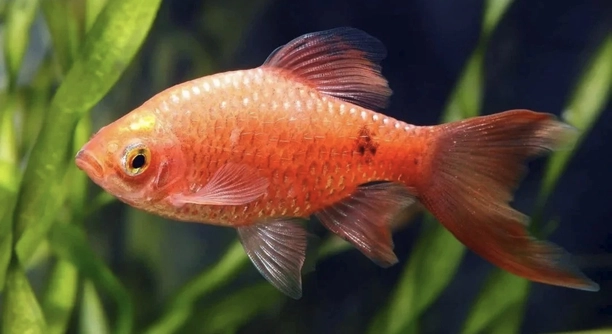
When rosy barbs are content, they display active swimming, vibrant colors, and smooth interactions with tank mates. These signs indicate they are stress-free, healthy, and thriving in their aquatic environment. Their behavior becomes more consistent and balanced overall.
Observing these subtle yet telling signs helps ensure your rosy barbs remain healthy and relaxed in their freshwater habitat.
Signs Your Rosy Barbs Are Happy
When rosy barbs feel comfortable, they stay active and alert throughout the day. Their swimming patterns are smooth and energetic, often moving in small groups. A healthy rosy barb will have bright, rich colors and clear eyes, showing no signs of stress. They will eat regularly and interact calmly with other fish in the tank. You may notice occasional chasing, but it’s usually harmless and playful. Their fins will be open, not clamped, and they won’t hide for long periods. These behaviors show they feel safe in their space and are not bothered by environmental stressors. Providing proper tank conditions, such as clean water, stable temperature, and plenty of swimming room, helps reinforce this peaceful behavior. Consistent feeding, minimal overcrowding, and compatible tank mates also support their calm nature. Keeping an eye on their normal habits will help you quickly spot any changes that could suggest something is wrong in the tank.
Rosy barbs thrive when they’re not overcrowded and have enough room to swim. Cramped spaces can cause stress and aggression.
A consistent routine helps your rosy barbs stay content. Feed them at the same time each day and keep tank conditions stable. Avoid loud noises or sudden changes that could disrupt their sense of safety.
What to Avoid in Their Environment
Poor water quality can quickly upset your rosy barbs. Dirty tanks, irregular temperature, and strong currents may cause stress or health problems.
Keeping the tank clean is the most important step in maintaining happy rosy barbs. Weekly water changes and regular filter maintenance help prevent the buildup of harmful substances. Make sure the temperature stays between 72°F and 78°F, and avoid strong water flow. Use a gentle filter that doesn’t create turbulence. Decorations and plants should allow room for open swimming while offering places to rest. Avoid overfeeding, which can dirty the water and upset their digestion. Too many fish in one tank leads to territorial behavior and stress, so follow the recommended tank size for their group. Avoid pairing them with slow or long-finned species, as rosy barbs may nip fins when bored or under stress. Providing a calm and consistent environment allows your fish to settle into a routine and exhibit relaxed, natural behavior. This balance creates the right space for them to stay vibrant and calm.
How Tank Setup Affects Their Mood
A peaceful tank setup helps rosy barbs stay calm and playful. Proper lighting, soft substrate, and plenty of space support their natural behavior. Avoid sharp decorations or overcrowding, which can make them anxious and disrupt their swimming patterns.
Rosy barbs need space to swim freely, so a long tank with open areas is better than a tall, narrow one. A 30-gallon tank or larger is ideal for a small group. Use a soft substrate like fine gravel or sand to protect their fins and reduce debris buildup. Add live or artificial plants around the edges to give them hiding spots without crowding the middle. Keep the lighting moderate, as bright lights can stress them out. If the tank feels calm and open, they’re more likely to show friendly, active behavior. Their comfort increases when they feel secure and have room to move without bumping into barriers or each other.
A stable environment reduces stress. Sudden changes in water temperature or quality can make rosy barbs uncomfortable and skittish. Install a reliable heater and test the water weekly. Keep ammonia, nitrites, and nitrates within safe levels. Avoid loud noises or tapping on the tank glass. These small disturbances can make them feel unsafe and act erratically. Over time, frequent stress may weaken their immune systems and dull their color. A calm tank helps their behavior stay predictable and shows that they feel relaxed. This consistency in their routine helps build trust in their surroundings and improves their overall health.
Social Behavior in a Calm Tank
Rosy barbs are social fish that enjoy the company of their kind. Keeping them in groups of five or more encourages natural behavior and helps prevent loneliness. A well-balanced group reduces competition and allows for peaceful schooling.
In a calm tank, rosy barbs form tight, active schools. They swim side by side, often shifting directions together. This synchronized movement shows that they feel secure and connected to their group. When one fish separates or becomes aggressive, it could signal that something is wrong. Group dynamics are important, so avoid keeping just one or two, as they may grow nervous or withdrawn. Watching their interactions gives useful insight into how they feel. Balanced social behavior includes light chasing or nudging, but it should never look panicked or harsh. Peaceful swimming, shared resting spots, and synchronized feeding patterns are all signs that the group feels content and safe in their space.
How Feeding Habits Reflect Their Mood
Content rosy barbs show excitement during feeding time. They swim quickly to the surface, eat eagerly, and don’t fight over food. A good appetite and smooth feeding are reliable signs of comfort.
If they ignore food or eat sluggishly, something might be off. Watch for any changes in feeding behavior.
What Color Can Tell You
Rosy barbs often appear more colorful when they feel secure and stress-free. Bright orange-red tones and clear fins show health and confidence. If their color fades or looks dull, it can mean stress, illness, or poor water quality. Healthy color shows their body is responding well to the tank’s conditions. This change may also happen during mating or dominance displays, but it should be temporary. If they stay pale for more than a few days, it’s worth checking their environment. Watch how they interact, swim, and eat, and use color as one of several signs to understand how your rosy barbs feel in their tank.
Resting Behavior in Happy Fish
Rosy barbs rest calmly near plants or low in the tank when they feel safe. Their movement slows, and they stay still without hiding or panicking.
FAQ
How many rosy barbs should be kept together?
Rosy barbs are social fish and should always be kept in groups. A minimum of five is recommended to help reduce stress and encourage natural schooling behavior. When kept in smaller groups or alone, they may become nervous, aggressive, or withdrawn. Larger groups allow them to interact calmly and display their usual playful behavior. If space allows, keeping seven or more can lead to a more balanced dynamic. The tank should be large enough to give them space to swim without bumping into each other or crowding the environment, especially when they are fully grown.
Do rosy barbs get along with other fish?
Yes, they can live peacefully with other fast-swimming, semi-aggressive fish. Avoid pairing them with slow or long-finned species like bettas or angelfish, as rosy barbs may nip fins, especially when bored or stressed. Ideal tank mates include danios, tetras, and other barbs that match their energy. A well-decorated tank with clear territories can help reduce conflict. Always watch for signs of aggression during the first few days after introducing new fish. The more space you offer, the easier it is for each fish to find its place in the tank without causing stress to others.
Why do rosy barbs chase each other?
Chasing is often normal among rosy barbs. It can be part of play, social interaction, or establishing hierarchy. Males may also chase females during breeding periods. If the chasing is gentle and doesn’t involve fin-nipping or visible stress, it’s nothing to worry about. However, if one fish is constantly targeted or hides frequently, it could be a sign of bullying or overcrowding. Check the group size, tank space, and decorations to ensure there are enough hiding spots and room for everyone to spread out when needed. Proper setup reduces unwanted aggressive behavior.
What do healthy rosy barbs look like?
Healthy rosy barbs have vibrant colors, clear eyes, and open fins. They swim with control and confidence, usually in a group. Their appetite should be steady, and they should respond quickly to food without hesitation. Gills should move evenly, and breathing should not look rapid or strained. They should not show signs of scratching or rubbing against objects, which can be a sign of irritation or illness. Watch for color fading, clamped fins, white spots, or bloating—all signs that something might be wrong in the tank or with their health.
Do rosy barbs sleep?
Yes, rosy barbs rest at night or when the lighting is low. They slow down and usually hover in one area, often near plants or the bottom of the tank. During this time, they remain still but alert to changes in the environment. Unlike some animals, they don’t close their eyes, so it’s important to keep the tank quiet and dark during their rest period. A stable day-night cycle helps maintain their overall health and keeps their behavior regular. Avoid disturbing the tank late at night, as it can interrupt their resting period.
Can I keep rosy barbs in a planted tank?
Yes, but choose your plants carefully. Rosy barbs may nibble on soft plants, so go for sturdy options like Java fern, Anubias, or Amazon sword. Live plants can improve water quality and give them hiding spots, which helps reduce stress. Secure the plants well, as active swimming can uproot loosely anchored ones. They don’t usually destroy plants if they’re well-fed and have enough enrichment, but it’s wise to monitor any nibbling. Floating plants are also a good option since they provide shade and a sense of cover, which helps the fish feel more at ease.
Why is my rosy barb hiding all the time?
Constant hiding is not typical in healthy, content rosy barbs. It may mean they’re stressed, sick, or being bullied. Poor water quality, sudden changes in the environment, or an aggressive tank mate could be causing the behavior. First, test the water and make sure conditions are stable. Then, observe the group dynamic to see if one fish is being picked on. Also, check for signs of illness like faded color or erratic swimming. Adding more plants or hiding spots can help the fish feel safe while you address the root of the issue.
What do content rosy barbs eat?
Content rosy barbs eat eagerly and regularly. They enjoy a varied diet that includes high-quality flakes, pellets, and occasional treats like bloodworms or brine shrimp. Vegetables like boiled zucchini or shelled peas can also be offered in small amounts. Feeding them once or twice a day, in amounts they can finish in under two minutes, keeps their digestion healthy and prevents waste buildup. Overfeeding leads to water quality problems and can stress the fish. A healthy appetite, steady feeding pattern, and active response to food are all good signs your rosy barbs feel at ease.
Final Thoughts
Rosy barbs are active, social fish that show clear signs when they feel content. Their behavior, color, and appetite all help you understand how they’re doing. When they swim smoothly in groups, eat well, and stay bright in color, they are likely happy and healthy. These small signs are easy to miss at first, but over time, you’ll start to notice patterns in their behavior that reflect their mood. A calm, well-kept tank gives them the comfort they need to stay relaxed. Observing your fish closely helps you spot any early signs of stress and adjust their environment as needed.
Their comfort depends on more than just clean water and regular feeding. Tank setup, lighting, water movement, and even the types of plants used can make a big difference. Group size and tank mates also influence their behavior. When conditions are right, rosy barbs stay active without acting aggressive or shy. They play, rest, and eat in ways that show they feel safe. Any shift in these patterns could mean a problem with the tank or their health. Watching their behavior and making small changes when needed helps prevent larger issues. These quiet changes in mood often tell you more than any equipment reading.
Caring for rosy barbs becomes easier when you understand what makes them feel safe. Once you’ve created a stable environment, it mostly comes down to daily observation and small adjustments. There’s no perfect tank setup, but keeping things consistent makes a big difference. Their comfort shows through in simple ways—like chasing playfully instead of hiding, or feeding without hesitation. When they feel at ease, they thrive. You don’t need to be an expert to notice when something’s off. Just paying attention to how your rosy barbs behave each day helps keep their space balanced and peaceful. Their behavior is your best guide to knowing if they’re content.
Have you ever watched your rosy barbs swim peacefully and wondered if they’re truly happy in their tank environment?
When rosy barbs are content, they display active swimming, vibrant colors, and smooth interactions with tank mates. These signs indicate they are stress-free, healthy, and thriving in their aquatic environment. Their behavior becomes more consistent and balanced overall.
Observing these subtle yet telling signs helps ensure your rosy barbs remain healthy and relaxed in their freshwater habitat.
Signs Your Rosy Barbs Are Happy
When rosy barbs feel comfortable, they stay active and alert throughout the day. Their swimming patterns are smooth and energetic, often moving in small groups. A healthy rosy barb will have bright, rich colors and clear eyes, showing no signs of stress. They will eat regularly and interact calmly with other fish in the tank. You may notice occasional chasing, but it’s usually harmless and playful. Their fins will be open, not clamped, and they won’t hide for long periods. These behaviors show they feel safe in their space and are not bothered by environmental stressors. Providing proper tank conditions, such as clean water, stable temperature, and plenty of swimming room, helps reinforce this peaceful behavior. Consistent feeding, minimal overcrowding, and compatible tank mates also support their calm nature. Keeping an eye on their normal habits will help you quickly spot any changes that could suggest something is wrong in the tank.
Rosy barbs thrive when they’re not overcrowded and have enough room to swim. Cramped spaces can cause stress and aggression.
A consistent routine helps your rosy barbs stay content. Feed them at the same time each day and keep tank conditions stable. Avoid loud noises or sudden changes that could disrupt their sense of safety.
What to Avoid in Their Environment
Poor water quality can quickly upset your rosy barbs. Dirty tanks, irregular temperature, and strong currents may cause stress or health problems.
Keeping the tank clean is the most important step in maintaining happy rosy barbs. Weekly water changes and regular filter maintenance help prevent the buildup of harmful substances. Make sure the temperature stays between 72°F and 78°F, and avoid strong water flow. Use a gentle filter that doesn’t create turbulence. Decorations and plants should allow room for open swimming while offering places to rest. Avoid overfeeding, which can dirty the water and upset their digestion. Too many fish in one tank leads to territorial behavior and stress, so follow the recommended tank size for their group. Avoid pairing them with slow or long-finned species, as rosy barbs may nip fins when bored or under stress. Providing a calm and consistent environment allows your fish to settle into a routine and exhibit relaxed, natural behavior. This balance creates the right space for them to stay vibrant and calm.
How Tank Setup Affects Their Mood
A peaceful tank setup helps rosy barbs stay calm and playful. Proper lighting, soft substrate, and plenty of space support their natural behavior. Avoid sharp decorations or overcrowding, which can make them anxious and disrupt their swimming patterns.
Rosy barbs need space to swim freely, so a long tank with open areas is better than a tall, narrow one. A 30-gallon tank or larger is ideal for a small group. Use a soft substrate like fine gravel or sand to protect their fins and reduce debris buildup. Add live or artificial plants around the edges to give them hiding spots without crowding the middle. Keep the lighting moderate, as bright lights can stress them out. If the tank feels calm and open, they’re more likely to show friendly, active behavior. Their comfort increases when they feel secure and have room to move without bumping into barriers or each other.
A stable environment reduces stress. Sudden changes in water temperature or quality can make rosy barbs uncomfortable and skittish. Install a reliable heater and test the water weekly. Keep ammonia, nitrites, and nitrates within safe levels. Avoid loud noises or tapping on the tank glass. These small disturbances can make them feel unsafe and act erratically. Over time, frequent stress may weaken their immune systems and dull their color. A calm tank helps their behavior stay predictable and shows that they feel relaxed. This consistency in their routine helps build trust in their surroundings and improves their overall health.
Social Behavior in a Calm Tank
Rosy barbs are social fish that enjoy the company of their kind. Keeping them in groups of five or more encourages natural behavior and helps prevent loneliness. A well-balanced group reduces competition and allows for peaceful schooling.
In a calm tank, rosy barbs form tight, active schools. They swim side by side, often shifting directions together. This synchronized movement shows that they feel secure and connected to their group. When one fish separates or becomes aggressive, it could signal that something is wrong. Group dynamics are important, so avoid keeping just one or two, as they may grow nervous or withdrawn. Watching their interactions gives useful insight into how they feel. Balanced social behavior includes light chasing or nudging, but it should never look panicked or harsh. Peaceful swimming, shared resting spots, and synchronized feeding patterns are all signs that the group feels content and safe in their space.
How Feeding Habits Reflect Their Mood
Content rosy barbs show excitement during feeding time. They swim quickly to the surface, eat eagerly, and don’t fight over food. A good appetite and smooth feeding are reliable signs of comfort.
If they ignore food or eat sluggishly, something might be off. Watch for any changes in feeding behavior.
What Color Can Tell You
Rosy barbs often appear more colorful when they feel secure and stress-free. Bright orange-red tones and clear fins show health and confidence. If their color fades or looks dull, it can mean stress, illness, or poor water quality. Healthy color shows their body is responding well to the tank’s conditions. This change may also happen during mating or dominance displays, but it should be temporary. If they stay pale for more than a few days, it’s worth checking their environment. Watch how they interact, swim, and eat, and use color as one of several signs to understand how your rosy barbs feel in their tank.
Resting Behavior in Happy Fish
Rosy barbs rest calmly near plants or low in the tank when they feel safe. Their movement slows, and they stay still without hiding or panicking.
FAQ
How many rosy barbs should be kept together?
Rosy barbs are social fish and should always be kept in groups. A minimum of five is recommended to help reduce stress and encourage natural schooling behavior. When kept in smaller groups or alone, they may become nervous, aggressive, or withdrawn. Larger groups allow them to interact calmly and display their usual playful behavior. If space allows, keeping seven or more can lead to a more balanced dynamic. The tank should be large enough to give them space to swim without bumping into each other or crowding the environment, especially when they are fully grown.
Do rosy barbs get along with other fish?
Yes, they can live peacefully with other fast-swimming, semi-aggressive fish. Avoid pairing them with slow or long-finned species like bettas or angelfish, as rosy barbs may nip fins, especially when bored or stressed. Ideal tank mates include danios, tetras, and other barbs that match their energy. A well-decorated tank with clear territories can help reduce conflict. Always watch for signs of aggression during the first few days after introducing new fish. The more space you offer, the easier it is for each fish to find its place in the tank without causing stress to others.
Why do rosy barbs chase each other?
Chasing is often normal among rosy barbs. It can be part of play, social interaction, or establishing hierarchy. Males may also chase females during breeding periods. If the chasing is gentle and doesn’t involve fin-nipping or visible stress, it’s nothing to worry about. However, if one fish is constantly targeted or hides frequently, it could be a sign of bullying or overcrowding. Check the group size, tank space, and decorations to ensure there are enough hiding spots and room for everyone to spread out when needed. Proper setup reduces unwanted aggressive behavior.
What do healthy rosy barbs look like?
Healthy rosy barbs have vibrant colors, clear eyes, and open fins. They swim with control and confidence, usually in a group. Their appetite should be steady, and they should respond quickly to food without hesitation. Gills should move evenly, and breathing should not look rapid or strained. They should not show signs of scratching or rubbing against objects, which can be a sign of irritation or illness. Watch for color fading, clamped fins, white spots, or bloating—all signs that something might be wrong in the tank or with their health.
Do rosy barbs sleep?
Yes, rosy barbs rest at night or when the lighting is low. They slow down and usually hover in one area, often near plants or the bottom of the tank. During this time, they remain still but alert to changes in the environment. Unlike some animals, they don’t close their eyes, so it’s important to keep the tank quiet and dark during their rest period. A stable day-night cycle helps maintain their overall health and keeps their behavior regular. Avoid disturbing the tank late at night, as it can interrupt their resting period.
Can I keep rosy barbs in a planted tank?
Yes, but choose your plants carefully. Rosy barbs may nibble on soft plants, so go for sturdy options like Java fern, Anubias, or Amazon sword. Live plants can improve water quality and give them hiding spots, which helps reduce stress. Secure the plants well, as active swimming can uproot loosely anchored ones. They don’t usually destroy plants if they’re well-fed and have enough enrichment, but it’s wise to monitor any nibbling. Floating plants are also a good option since they provide shade and a sense of cover, which helps the fish feel more at ease.
Why is my rosy barb hiding all the time?
Constant hiding is not typical in healthy, content rosy barbs. It may mean they’re stressed, sick, or being bullied. Poor water quality, sudden changes in the environment, or an aggressive tank mate could be causing the behavior. First, test the water and make sure conditions are stable. Then, observe the group dynamic to see if one fish is being picked on. Also, check for signs of illness like faded color or erratic swimming. Adding more plants or hiding spots can help the fish feel safe while you address the root of the issue.
What do content rosy barbs eat?
Content rosy barbs eat eagerly and regularly. They enjoy a varied diet that includes high-quality flakes, pellets, and occasional treats like bloodworms or brine shrimp. Vegetables like boiled zucchini or shelled peas can also be offered in small amounts. Feeding them once or twice a day, in amounts they can finish in under two minutes, keeps their digestion healthy and prevents waste buildup. Overfeeding leads to water quality problems and can stress the fish. A healthy appetite, steady feeding pattern, and active response to food are all good signs your rosy barbs feel at ease.
Final Thoughts
Rosy barbs are active, social fish that show clear signs when they feel content. Their behavior, color, and appetite all help you understand how they’re doing. When they swim smoothly in groups, eat well, and stay bright in color, they are likely happy and healthy. These small signs are easy to miss at first, but over time, you’ll start to notice patterns in their behavior that reflect their mood. A calm, well-kept tank gives them the comfort they need to stay relaxed. Observing your fish closely helps you spot any early signs of stress and adjust their environment as needed.
Their comfort depends on more than just clean water and regular feeding. Tank setup, lighting, water movement, and even the types of plants used can make a big difference. Group size and tank mates also influence their behavior. When conditions are right, rosy barbs stay active without acting aggressive or shy. They play, rest, and eat in ways that show they feel safe. Any shift in these patterns could mean a problem with the tank or their health. Watching their behavior and making small changes when needed helps prevent larger issues. These quiet changes in mood often tell you more than any equipment reading.
Caring for rosy barbs becomes easier when you understand what makes them feel safe. Once you’ve created a stable environment, it mostly comes down to daily observation and small adjustments. There’s no perfect tank setup, but keeping things consistent makes a big difference. Their comfort shows through in simple ways—like chasing playfully instead of hiding, or feeding without hesitation. When they feel at ease, they thrive. You don’t need to be an expert to notice when something’s off. Just paying attention to how your rosy barbs behave each day helps keep their space balanced and peaceful. Their behavior is your best guide to knowing if they’re content.

Hello,
If you enjoy the content that we create, please consider saying a "Thank You!" by leaving a tip.
Every little bit helps us continue crafting quality advice that supports the health, happiness, and well-being of pets around the world, for pets of all shapes, sizes, and species.
We really appreciate the kindness and support that you show us!