
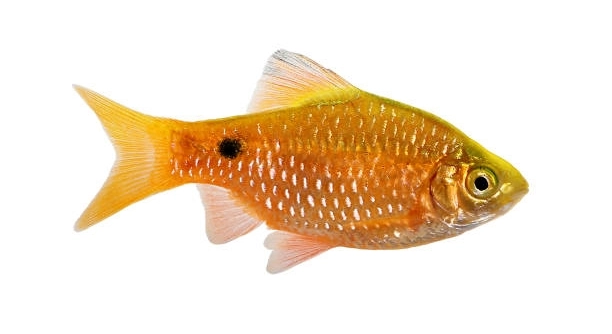
Rosy barbs are popular freshwater fish known for their bright colors and lively behavior. Many fish keepers want to ensure their rosy barbs feel safe and comfortable in their tanks. Recognizing signs of security helps improve their care and wellbeing.
A rosy barb feels secure when it swims confidently, interacts with other fish, eats regularly, and shows natural behaviors without hiding or stressing. Consistent water conditions and a proper environment are crucial for their sense of safety.
Observing these signs can help you create a healthy space for your fish. Understanding their needs leads to a happier, more peaceful aquarium environment.
Calm and Confident Swimming
When rosy barbs feel secure, they swim with calm and steady movements around the tank. They explore their environment without sudden darting or hiding in corners. You might notice them gliding through the water with smooth fin movements, showing they are relaxed. These fish are naturally active but when stressed, their swimming becomes erratic or frantic. A secure rosy barb will interact with tank mates peacefully and maintain regular activity levels throughout the day. Watching their behavior closely can give clues about how safe they feel. They also tend to stay in mid to upper water levels when comfortable, instead of hiding near the bottom or behind decorations. Proper tank setup with plenty of space and hiding spots helps them stay calm. Consistent water temperature, clean water, and balanced lighting all support their sense of security. Regular feeding times also create a predictable environment that these fish appreciate.
Their calm swimming signals a healthy mental state and overall comfort.
Providing a stable environment helps maintain this natural behavior, making your rosy barbs thrive in their tank.
Healthy Appetite and Regular Feeding
A rosy barb that feels secure shows a strong and steady appetite. They eagerly come to the surface or feeding area when food is offered. Sudden loss of interest in food or picky eating can signal stress or discomfort. Feeding small amounts regularly and offering a balanced diet keeps them healthy and happy. They benefit from high-quality flakes, pellets, and occasional live or frozen foods like brine shrimp or bloodworms. Avoid overfeeding, which can pollute the tank and harm their health. Feeding routines create trust and comfort between the fish and their environment. Watching them eat confidently and without hesitation is a clear sign of security. It means they feel safe enough to focus on nourishment without fear. When fish refuse food for extended periods, it may be time to check water conditions or tank mates. Maintaining good water quality is essential for a healthy appetite.
Ensuring proper nutrition supports both physical health and emotional well-being for rosy barbs.
When their feeding behavior is stable, it reflects a well-balanced habitat and attentive care.
Bright and Vibrant Colors
Rosy barbs that feel secure display bright and vibrant colors. Dull or faded colors often signal stress or illness.
Healthy rosy barbs have rich reds and rosy pinks shining on their bodies and fins. Their colors become less intense when water quality drops or when they feel threatened. Maintaining stable water parameters and avoiding sudden changes helps preserve their vivid hues. Providing a balanced diet with proper nutrients also supports their coloration. Watching your fish’s colors daily gives you a quick way to monitor their wellbeing. When colors look bright, it usually means they are comfortable in their environment and not under constant stress.
Color intensity is a good indicator of both physical health and emotional security in rosy barbs.
Consistent care, proper tank mates, and a clean environment encourage these beautiful fish to keep their lively appearance.
Active Social Behavior
Rosy barbs feel secure when they interact actively with their tank mates. They swim together in small groups without signs of aggression or fear.
These fish are naturally social and thrive in groups of five or more. When they feel safe, they will chase each other playfully, explore the tank together, and establish simple social hierarchies without stress. If you notice your rosy barbs hiding or isolating themselves, it may be a sign of discomfort. Proper tank size and enough swimming space prevent territorial disputes and allow natural social behaviors. Keeping compatible fish species with similar temperaments also reduces aggression. Watching your rosy barbs swim in harmony shows they trust their environment and companions.
Social activity is an important sign of security and mental health.
A balanced group dynamic keeps your rosy barbs engaged and emotionally stable in their tank.
Regular Resting Spots
Secure rosy barbs often have favorite resting spots in the tank. They return to these places calmly without signs of stress.
These resting areas provide a sense of safety and comfort. Plants, rocks, or decorations often serve as peaceful hideouts where fish can relax and feel protected.
Clear and Bright Eyes
Clear, bright eyes in rosy barbs indicate good health and a secure environment. Cloudy or dull eyes often point to illness or stress.
When your fish’s eyes look sharp and alert, it shows they are comfortable and well cared for. Healthy eyes help them navigate and interact confidently in their surroundings.
Smooth and Healthy Fins
Smooth, intact fins are a sign your rosy barb feels secure and is free from stress or injury. Torn or clamped fins suggest problems.
Healthy fins allow the fish to swim easily and express natural behaviors without pain or difficulty.
FAQ
How can I tell if my rosy barb is stressed?
Signs of stress in rosy barbs include erratic swimming, hiding frequently, loss of appetite, and faded colors. They may also have clamped fins or appear lethargic. Stress often happens due to poor water quality, overcrowding, sudden changes in the tank, or aggressive tank mates. Keeping water parameters stable and providing a calm environment reduces stress. Observing your fish daily helps catch these signs early, allowing you to make changes before health issues develop.
What is the ideal tank size for rosy barbs?
A minimum of 20 gallons is recommended for a small group of rosy barbs. They are active swimmers and need enough space to move freely. A larger tank helps reduce aggression and stress, especially when keeping six or more fish. Providing plenty of swimming room along with hiding spots creates a comfortable environment. Overcrowding can cause stress and disease, so choose tank size based on the number of fish you plan to keep.
What water conditions do rosy barbs prefer?
Rosy barbs thrive in water temperatures between 64°F and 72°F (18°C–22°C). The pH should be neutral to slightly alkaline, ideally between 7.0 and 8.0. Regular water changes are important to keep ammonia and nitrate levels low. Stable water parameters help maintain the fish’s health and security. Testing your tank water weekly ensures conditions remain within the safe range. Sudden changes in temperature or pH can cause stress and illness.
Can rosy barbs live with other fish?
Yes, rosy barbs are generally peaceful but can be fin nippers if stressed or kept in small groups. They do well with similarly sized, non-aggressive fish. Avoid slow-moving or long-finned species that may be targets of nipping. Good tank mates include danios, tetras, and barbs of similar temperament. Always monitor interactions when introducing new fish to prevent bullying or fights. Proper group size and space reduce aggressive behaviors.
How often should I feed my rosy barbs?
Feeding once or twice a day with small portions is ideal. Overfeeding can cause water quality problems and lead to health issues. Offer a balanced diet that includes flakes or pellets formulated for tropical fish, plus occasional live or frozen foods for variety. Remove uneaten food to avoid waste buildup. Feeding on a schedule helps establish routine and security for the fish.
What are common health issues for rosy barbs?
Rosy barbs can suffer from fin rot, ich, and swim bladder problems, often linked to poor water quality or stress. Regular water maintenance and a clean tank reduce disease risks. Early signs include torn fins, white spots, or unusual swimming behavior. Quarantining new fish before adding them to the tank helps prevent infections. Treating illnesses quickly improves chances of recovery.
How can I reduce aggression among rosy barbs?
Keeping them in groups of at least five reduces stress and aggression by distributing attention and energy. Providing plenty of hiding places and plants helps fish avoid conflicts. Maintaining good water quality and feeding properly also lowers aggression. Monitor the tank for bullying and separate aggressive individuals if needed. Balanced social groups promote a peaceful tank environment.
Is it normal for rosy barbs to hide sometimes?
Yes, occasional hiding is natural and helps them feel safe. However, frequent or prolonged hiding may indicate stress, poor water quality, or bullying by other fish. Observe the tank conditions and fish behavior to identify any problems. Providing hiding spots allows shy fish to relax, but excessive hiding calls for action to improve their comfort.
How long do rosy barbs live?
Rosy barbs typically live 5 to 7 years with proper care. Good water quality, a balanced diet, and a stress-free environment contribute to a longer lifespan. Regular tank maintenance and monitoring health prevent early deaths. Their lifespan also depends on genetics and overall tank conditions. Consistent care supports their wellbeing over the years.
Rosy barbs are lively and colorful fish that bring life to any freshwater aquarium. Understanding how to tell when they feel secure helps you provide the best care possible. When your rosy barbs swim calmly, eat well, and show bright colors, it means they are comfortable and happy in their environment. These signs are important because a secure fish is less likely to get sick and more likely to live a longer, healthier life. Paying attention to their behavior and appearance helps you notice any changes early, so you can adjust the tank conditions or care routine as needed.
Creating a safe and stable environment for rosy barbs requires consistent effort. Maintaining clean water with stable temperature and pH is essential. Providing enough space and hiding spots lets them feel protected and reduces stress. Feeding them a balanced diet regularly supports their health and vibrant colors. It’s also important to keep a proper group size to encourage natural social behaviors and reduce aggression. By focusing on these key needs, you help your rosy barbs feel secure and thrive. When they are secure, they show natural, healthy behaviors that make watching your aquarium more enjoyable.
Remember, each rosy barb is unique and may react differently to changes in their environment. Observing them closely will help you understand what they need to feel safe. Small adjustments in care can have a big impact on their wellbeing. Keeping your tank clean, stable, and well-stocked with compatible fish supports their security. With time and attention, your rosy barbs will flourish and continue to brighten your aquarium. Ensuring their comfort benefits not only the fish but also creates a peaceful and rewarding experience for you as a keeper.

Hello,
If you enjoy the content that we create, please consider saying a "Thank You!" by leaving a tip.
Every little bit helps us continue crafting quality advice that supports the health, happiness, and well-being of pets around the world, for pets of all shapes, sizes, and species.
We really appreciate the kindness and support that you show us!