
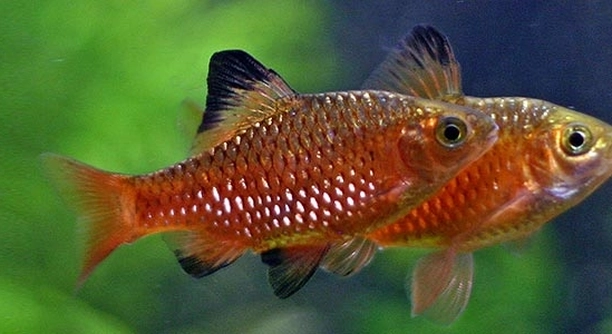
Do you ever wonder how to set up a tank for rosy barbs to keep them healthy and happy? Many fishkeepers debate whether these lively fish prefer a bare-bottom tank or one with substrate. The choice can affect their behavior and tank maintenance.
Rosy barbs generally do well in bare-bottom tanks because it simplifies cleaning and reduces harmful bacteria buildup. However, some owners add substrate to create a more natural environment, which may support their natural foraging habits.
Understanding how a bare-bottom tank impacts your rosy barbs will help you make better choices for their care and your tank’s upkeep. There are several factors to consider beyond just aesthetics.
Benefits of a Bare-Bottom Tank for Rosy Barbs
A bare-bottom tank offers several advantages when keeping rosy barbs. First, it makes cleaning easier because debris and waste are more visible and can be removed quickly. This reduces the risk of poor water quality, which is crucial for the health of these active fish. Without substrate, there is less chance for harmful bacteria and toxins to build up, making the tank safer. It also allows for better water circulation, which helps keep oxygen levels steady. For fishkeepers who want to monitor their fish closely, a bare-bottom tank makes it easier to spot any changes in behavior or signs of illness. While it may look less natural, the simplicity and hygiene benefits often outweigh the aesthetics.
Using a bare-bottom tank can save time and effort in regular maintenance, making it a practical choice for many.
Some rosy barbs might miss the comfort of natural substrate, but they usually adapt well to the cleaner environment of a bare-bottom tank.
Substrate and Rosy Barbs’ Natural Behavior
Rosy barbs are naturally curious and like to explore the bottom of their tank for food. Adding substrate can mimic their natural environment and encourage this behavior. Gravel or sand allows them to forage and dig, which keeps them mentally stimulated. However, substrate requires more maintenance because uneaten food and waste can get trapped underneath, leading to water quality issues. If you choose to add substrate, regular vacuuming is essential. Some types of substrate also affect water parameters, so it’s important to pick one that suits rosy barbs. Plants and decorations placed on substrate also help fish feel secure, reducing stress. Balancing the benefits of a natural environment with the need for cleanliness is key in tank setup. Each fishkeeper has to decide which approach fits their routine and fish needs best.
Cleaning and Maintenance
Bare-bottom tanks require less work when it comes to cleaning. Without substrate, you can easily see waste and uneaten food, making removal quick and efficient. This keeps water quality high and reduces the risk of harmful buildup.
Regular water changes are essential in any tank, but they become simpler with a bare bottom. You don’t have to worry about disturbing substrate or vacuuming debris from gravel. Cleaning tools like nets and siphons work more effectively in this setup. It also helps prevent the spread of harmful bacteria that can grow in substrate. However, the tank still needs routine care to maintain a healthy environment for rosy barbs.
On the other hand, tanks with substrate require extra time and effort. Gravel and sand trap debris, meaning you have to vacuum the substrate regularly. Otherwise, waste accumulates and can pollute the water. It’s a trade-off between ease of cleaning and creating a natural look.
Fish Health and Behavior
Rosy barbs tend to stay active and healthy in bare-bottom tanks because water conditions are easier to control. Cleaner water reduces stress and lowers the chance of disease outbreaks. Without substrate, it’s easier to monitor their health closely.
However, some owners notice that rosy barbs show more natural behaviors, like digging and foraging, when substrate is present. This can contribute to mental stimulation and reduce boredom. In bare-bottom tanks, fish might be less engaged without this environmental enrichment. It’s important to provide other forms of stimulation, such as plants or decorations, to keep them happy and active. Choosing the right tank setup depends on balancing cleanliness with environmental needs.
Tank Setup Considerations
Bare-bottom tanks allow for easier installation of equipment like filters and heaters since there is no substrate to move around. This can make adjustments simpler and less disruptive to the fish. It also reduces the chance of equipment clogging from trapped debris.
However, some fishkeepers prefer the natural look and feel that substrate provides. It can help anchor plants and decorations, creating hiding spots for shy rosy barbs. This added complexity may require more attention but can make the tank more visually appealing.
Choosing the Right Substrate
When using substrate, fine gravel or sand is best for rosy barbs. These materials are gentle on their fins and allow easy foraging. Avoid sharp or coarse substrates that could injure the fish or trap too much waste.
Impact on Water Quality
Substrate can affect water parameters by trapping debris and organic matter. This makes regular cleaning essential to prevent harmful spikes in ammonia and nitrites. A bare-bottom tank helps maintain more stable water quality by minimizing these issues.
FAQ
Do rosy barbs need substrate to be healthy?
Rosy barbs do not require substrate to stay healthy. Their well-being depends more on clean water, proper diet, and a suitable environment. A bare-bottom tank simplifies cleaning and helps maintain water quality, which is vital for their health. While substrate can mimic their natural environment, it is not necessary if tank conditions are well managed.
Will rosy barbs behave differently in a bare-bottom tank?
Yes, their behavior can change slightly. Without substrate, rosy barbs may not exhibit natural digging or foraging as much. However, they remain active swimmers and will explore plants and decorations. Providing hiding spots and plants can encourage natural behavior even without substrate.
Is a bare-bottom tank better for beginner fishkeepers?
Generally, yes. Bare-bottom tanks are easier to clean and maintain, which benefits beginners. It reduces the chance of water quality issues caused by trapped debris. This setup allows new fishkeepers to focus on learning proper feeding, water testing, and fish care without extra maintenance challenges.
Can I add plants in a bare-bottom tank?
Absolutely. You can use potted plants or floating plants in a bare-bottom tank. Live plants help improve water quality and provide hiding spots for rosy barbs. If you prefer rooted plants, use pots or plant anchors since there’s no substrate to hold them.
How often should I clean a bare-bottom tank?
Cleaning frequency depends on tank size and fish load but usually once a week is enough. Remove uneaten food and waste regularly to keep water quality high. Perform partial water changes to maintain stable conditions. Bare-bottom tanks make this process quicker and more visible.
Will rosy barbs get stressed without substrate?
Some fish might feel less secure without substrate, but rosy barbs generally adapt well. Adding plants and decorations can reduce stress by offering shelter. If you notice signs of stress, consider adding some substrate or more hiding places to improve comfort.
Does substrate help with ammonia control?
Substrate can provide a surface for beneficial bacteria that help break down ammonia. However, it also traps waste, which can increase ammonia if not cleaned properly. Bare-bottom tanks make it easier to remove waste and maintain balanced water chemistry, reducing ammonia spikes.
Is a bare-bottom tank more hygienic?
Yes, bare-bottom tanks are often considered more hygienic because there’s no substrate to hide debris or promote harmful bacteria growth. This setup allows for easier cleaning and water monitoring, reducing the risk of disease and keeping rosy barbs healthier.
What kind of substrate is safe if I decide to use one?
Fine gravel or sand is safest for rosy barbs. These substrates are gentle and allow natural foraging without risking injury. Avoid sharp or rough materials that could damage fins or trap excessive waste, which can harm water quality and fish health.
Will bare-bottom tanks affect water temperature?
Bare-bottom tanks do not significantly affect water temperature but can make heating more efficient. Without substrate, heat disperses more evenly, which can help maintain stable temperatures. Proper heater placement and monitoring remain important regardless of substrate presence.
Are there any downsides to a bare-bottom tank?
The main downside is the less natural look and feel, which some fishkeepers find less appealing. Also, without substrate, fish lose some natural behaviors like digging and foraging. However, these issues can be offset by adding plants and decorations to enrich the environment.
How do I transition rosy barbs from a substrate tank to a bare-bottom tank?
Transition carefully by setting up the bare-bottom tank with plenty of hiding spots and plants. Slowly acclimate the fish to the new environment by monitoring water conditions and behavior. Most rosy barbs adjust well with minimal stress if changes are gradual and the water is stable.
Final Thoughts
Choosing whether to keep rosy barbs in a bare-bottom tank or one with substrate depends on your personal preferences and how much time you want to spend on maintenance. Bare-bottom tanks make cleaning easier and help keep the water quality stable. This is important because good water conditions help keep rosy barbs healthy and active. Without substrate, it is simple to remove waste and leftover food, which means fewer chances for harmful bacteria or toxins to build up in the tank. This setup is especially useful for those who want a low-maintenance aquarium or are new to fishkeeping. It also allows for quick checks on the fish and their environment.
On the other hand, some people prefer using substrate because it creates a more natural look and feel for the fish. Substrate allows rosy barbs to show more natural behaviors like digging and foraging, which can keep them mentally stimulated. It also helps anchor plants and decorations, giving fish places to hide or explore. However, substrate needs more attention and regular cleaning to prevent waste buildup. If the substrate is not cleaned often, it can affect the water quality negatively and harm the fish. So, if you choose substrate, you should be prepared for the extra effort involved.
Ultimately, the decision comes down to what fits best with your tank setup and how you want to care for your rosy barbs. Both bare-bottom and substrate tanks can support healthy, happy fish if maintained well. Adding plants and decorations can help create a comfortable environment regardless of the tank type. Watching your fish and noticing how they behave will help you decide if any changes are needed. Taking good care of the water quality, feeding them properly, and providing space to swim and hide will keep your rosy barbs thriving, no matter the tank bottom style.

Hello,
If you enjoy the content that we create, please consider saying a "Thank You!" by leaving a tip.
Every little bit helps us continue crafting quality advice that supports the health, happiness, and well-being of pets around the world, for pets of all shapes, sizes, and species.
We really appreciate the kindness and support that you show us!