
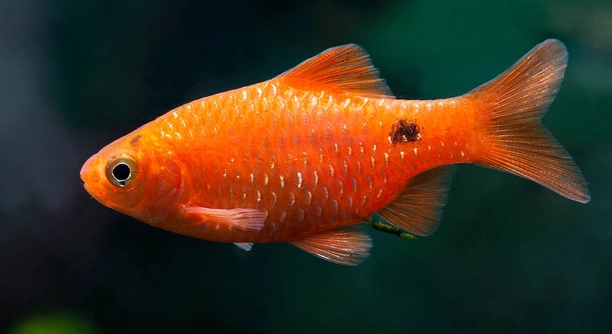
Rosy barbs are lively fish that brighten any aquarium. Sometimes, they show signs of boredom that can affect their health and behavior. Knowing these signs helps keep them happy and active in their environment.
Rosy barb boredom manifests through decreased activity, loss of appetite, repetitive swimming patterns, increased aggression, color fading, hiding frequently, and reduced interaction with tank mates. These behaviors indicate a lack of stimulation and environmental enrichment necessary for their well-being.
Recognizing these signs early ensures better care and a more stimulating habitat for your rosy barbs to thrive in.
Decreased Activity and Lethargy
When rosy barbs become bored, one of the first things you may notice is a drop in their usual activity levels. These fish, known for their lively swimming, may start moving slowly or stay in one place for longer periods. Lethargy can also mean they’re not exploring their tank or interacting as much as before. This change can signal that the environment no longer excites or challenges them. Without enough stimulation, they lose interest in swimming around or playing with other fish. It’s important to keep their tank interesting by adding plants, decorations, or rearranging elements occasionally. This helps maintain their natural curiosity and energy. Ignoring this sign can lead to health problems, as inactivity might cause muscle weakness or stress. Taking action early ensures your rosy barbs stay vibrant and healthy.
Lethargy is a clear sign that your rosy barbs need more environmental stimulation to regain their usual activity and energy levels.
Maintaining a varied and enriched tank environment keeps rosy barbs engaged. Regularly changing the layout or adding new hiding spots encourages natural behaviors and prevents boredom. This way, they stay more active and display their bright colors fully.
Repetitive Swimming Patterns
Repetitive swimming, such as pacing back and forth along the tank walls or swimming in tight circles, often indicates boredom in rosy barbs. When fish lack mental and physical stimulation, they may develop these repetitive behaviors out of frustration or stress. These patterns show that the fish are not comfortable or interested in their surroundings. They might also be trying to find an escape or are simply restless. Repetitive swimming can reduce their quality of life, as it wastes energy and increases stress levels. To help, it’s important to create a more dynamic environment by introducing new objects or plants. Adding variety encourages exploration and reduces repetitive movements. These changes can restore natural behaviors and improve overall well-being.
Fish swimming the same routes repeatedly is a common behavior linked to boredom and lack of environmental change. This repetitive motion suggests the need for more engaging tank conditions.
Providing a complex habitat with plenty of hiding places and varied decorations keeps rosy barbs busy. It helps break up the monotony and supports their mental health. Regularly observing their behavior will help identify if changes are working.
Loss of Appetite
A loss of appetite is a common sign of boredom in rosy barbs. When these fish feel unstimulated, they may stop eating as much as usual or ignore food altogether.
This behavior often results from stress or lack of interest in their environment. Bored fish may lose motivation to search for food, especially if the tank is dull or lacks variety. Changes in feeding habits should never be ignored because they can lead to serious health issues. Offering a varied diet and keeping the tank lively helps maintain their appetite and overall health.
Ensuring a balanced diet with occasional treats can rekindle their interest in feeding. Live or frozen foods, such as bloodworms or brine shrimp, may encourage them to eat more actively. Feeding in different spots of the tank also stimulates natural foraging behavior.
Increased Aggression
Rosy barbs may become more aggressive when bored. This behavior can result in fights and stress within the tank community.
Aggression increases as fish become restless and frustrated with their environment. Without enough stimulation or space, they might chase or nip at other tank mates. This can harm weaker fish and disrupt the tank’s harmony. Providing hiding spots and rearranging decorations helps reduce aggression by giving fish places to retreat. Adding more space or a larger group of barbs can also balance social dynamics.
Observing your fish regularly helps identify aggression early. Preventing overcrowding and ensuring proper tank size support peaceful behavior. Enrichment is key to keeping rosy barbs calm and content.
Color Fading
Rosy barbs often lose their bright colors when they are bored. Dull or faded colors indicate stress or poor health.
This fading happens because the fish are not stimulated or comfortable in their environment. Keeping the tank enriched helps maintain their vibrant appearance.
Frequent Hiding
When rosy barbs hide more than usual, boredom may be the cause. They retreat to shelters to avoid stress or discomfort.
Providing plenty of plants and decorations creates safe spaces. This encourages natural hiding without excessive withdrawal, promoting better well-being.
Reduced Interaction with Tank Mates
Bored rosy barbs may avoid interacting with other fish. They become less social and more isolated in the tank.
Lack of engagement signals that the environment isn’t stimulating enough. Adjusting the tank setup can improve social behaviors and fish happiness.
How can I tell if my rosy barbs are bored?
Signs of boredom in rosy barbs include decreased activity, loss of appetite, repetitive swimming, aggression, color fading, frequent hiding, and reduced interaction with tank mates. Watching for these behaviors can help you spot boredom early. When your fish swim less or show dull colors, it’s time to consider environmental changes.
What causes boredom in rosy barbs?
Boredom often stems from a lack of stimulation in the tank. This could be due to an empty or poorly decorated tank, small space, or lack of variety in their environment. Without plants, hiding spots, or places to explore, rosy barbs lose interest in their surroundings and become restless.
How can I prevent boredom in my rosy barbs?
Prevent boredom by creating a lively and varied tank setup. Add live or artificial plants, rocks, and decorations that create hiding places and interesting areas to explore. Changing the layout occasionally keeps the environment fresh. Providing companions for social interaction also helps reduce boredom.
Is tank size important for preventing boredom?
Yes, tank size plays a big role. Rosy barbs need enough room to swim freely and explore. A cramped tank limits movement and causes stress, which can lead to boredom. A minimum of 20 gallons is recommended for a small group of rosy barbs, with larger tanks preferred for more fish.
What types of decorations are best to keep rosy barbs engaged?
Plants, caves, and rocks are great for engagement. Live plants offer natural hiding spots and improve water quality. Smooth rocks or aquarium-safe decorations provide places to explore or retreat. Avoid overcrowding the tank, but make sure there are enough features to keep the fish curious.
Can diet affect my rosy barbs’ behavior?
Diet can influence their activity and mood. A varied diet with quality flakes, pellets, and occasional live or frozen foods like brine shrimp or bloodworms keeps them healthy and interested in feeding. Feeding in different spots also encourages natural foraging behavior.
How often should I change the tank layout?
Changing the tank setup every few weeks or months is helpful. Small rearrangements or adding new decorations can renew interest without stressing the fish. Sudden or drastic changes should be avoided, but gradual updates keep the environment stimulating.
What role does social interaction play in preventing boredom?
Rosy barbs are social fish and thrive in groups. Keeping them in groups of at least five allows natural schooling behavior, reducing stress and boredom. Isolated fish often become inactive or aggressive. Proper group size helps maintain healthy social dynamics.
Can boredom lead to health problems in rosy barbs?
Yes, boredom can increase stress, which weakens the immune system and leads to illness. Lethargy and poor appetite from boredom can cause malnutrition or other health issues. Maintaining an engaging environment helps prevent these problems and supports overall fish health.
What should I do if my rosy barbs show signs of boredom?
Start by improving their tank environment. Add plants, decorations, or rearrange the setup. Ensure they have enough space and are kept in a proper group size. Also, check water quality and diet, as poor conditions can worsen boredom. Monitoring changes in behavior after adjustments helps track improvement.
Is it normal for rosy barbs to hide often?
Some hiding is normal, especially if there are places to feel safe. However, excessive hiding may indicate stress or boredom. If they rarely come out to swim or interact, it’s a sign their environment needs enrichment or better conditions.
How can I encourage more activity in my rosy barbs?
Providing a stimulating tank with places to explore and encouraging natural behaviors helps. Feeding live or frozen foods can boost activity. Regularly changing feeding locations or adding floating plants can motivate movement. Swimming space and social groups also promote liveliness.
Are there any toys or tools to keep rosy barbs entertained?
While fish don’t use toys like pets, objects such as floating plants, mirrors (used briefly), or gentle water currents can stimulate activity. Adding variety in the environment with safe decorations keeps their minds busy and prevents repetitive behaviors.
Can lighting affect rosy barb behavior?
Proper lighting helps maintain their natural day-night cycle. Too much light or constant darkness can stress fish and affect activity levels. A regular lighting schedule that mimics natural conditions supports healthy behavior and color retention.
How long does it take for rosy barbs to recover from boredom?
Recovery time varies but can take days to weeks after environmental improvements. Behavior should gradually return to normal with increased activity, appetite, and interaction. Patience is key, as sudden changes may stress fish further. Consistent care leads to better results.
Rosy barbs are lively fish that bring color and movement to any aquarium. Like all animals, they need stimulation to stay healthy and happy. When they get bored, it affects their behavior and overall well-being. Boredom in rosy barbs shows in many ways, such as less swimming, loss of appetite, or even aggression. Watching for these signs helps you understand what your fish need. By paying attention to their actions, you can make sure their tank environment keeps them interested and active.
Creating a good habitat for rosy barbs means more than just water and food. They need space to swim, places to hide, and objects to explore. Adding plants, rocks, and decorations gives them different areas to discover. Changing the tank setup every now and then keeps things fresh and prevents boredom. Feeding a varied diet also plays a big role in keeping them healthy and engaged. When rosy barbs are busy and active, their colors stay bright, and their behavior remains natural. This is important for their happiness and long-term health.
Taking care of rosy barbs is about balancing their needs. Keeping the tank clean, providing enough room, and ensuring social interaction with other fish all contribute to their well-being. When you notice signs of boredom, it’s a signal to make changes. Simple steps like rearranging the tank or adding new plants can make a big difference. Remember, happy fish are more active and show their best colors. By understanding and meeting their needs, you create an aquarium where rosy barbs can thrive and bring joy for a long time.

Hello,
If you enjoy the content that we create, please consider saying a "Thank You!" by leaving a tip.
Every little bit helps us continue crafting quality advice that supports the health, happiness, and well-being of pets around the world, for pets of all shapes, sizes, and species.
We really appreciate the kindness and support that you show us!