
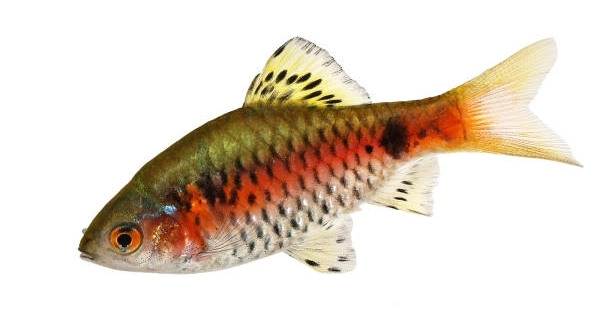
Rosy Barbs are popular aquarium fish known for their bright colors and lively behavior. Many fishkeepers wonder if these hardy fish can thrive without a filter in their tanks. Understanding their needs helps create a suitable environment.
Rosy Barbs can survive in a filterless tank, but maintaining good water quality requires frequent water changes and careful monitoring. Their resilience allows them to tolerate less ideal conditions, but filtration improves their health and reduces maintenance effort.
Learning how to care for Rosy Barbs without a filter can help keep them healthy and vibrant in simpler setups. This article explains what you need to know for a filterless tank.
What Rosy Barbs Need to Thrive
Rosy Barbs are active fish that need clean water and space to swim. Even without a filter, they require a stable environment with regular care. The water should be changed often to keep it fresh and free from harmful waste. Using a sponge or gentle aeration can help keep oxygen levels steady. Tank size matters—larger tanks are easier to maintain without filtration because the water stays more stable. It’s important to avoid overfeeding, as leftover food can pollute the water quickly. Plants and gravel in the tank also help by naturally absorbing some waste. Keeping the temperature consistent between 68 and 78°F supports their health. Without a filter, you must be more hands-on with water checks and cleaning to ensure your Rosy Barbs stay healthy and happy.
Regular water changes are essential to maintain water quality and reduce harmful buildup in a filterless tank.
Maintaining a balanced tank environment without a filter means staying attentive to water parameters and cleaning schedules. Using natural plants and gravel helps reduce toxins, while careful feeding prevents water pollution. Testing water regularly for ammonia and nitrites is critical. These steps together create a healthy space for Rosy Barbs to thrive even without mechanical filtration.
Pros and Cons of Filterless Tanks
Filterless tanks have both advantages and disadvantages for Rosy Barbs. One benefit is the quieter environment, which some fish seem to enjoy. Without a filter, there’s no risk of strong currents that might stress the fish. It also reduces equipment costs and maintenance related to filters. However, the downside is that water quality can decline quickly without mechanical filtration, leading to more frequent water changes. Waste and uneaten food build up faster, which can harm the fish if not managed well. There is also less oxygen circulation, so adding air stones or plants helps compensate. Overall, filterless tanks require more active care but can work for Rosy Barbs if you keep up with cleaning and monitoring.
Choosing a filterless setup means committing to careful water management and monitoring.
A filterless tank demands consistent effort to maintain water quality and a healthy environment for Rosy Barbs. You must perform frequent partial water changes, usually 25-50% weekly, to remove waste and keep toxin levels low. Adding live plants helps absorb nitrates and produces oxygen. Gravel and substrate can also support beneficial bacteria but won’t replace a filter’s cleaning power entirely. Feeding less food at a time reduces leftover waste. Regular water testing for ammonia, nitrites, and nitrates is important to catch problems early. Using air stones or gentle aeration keeps oxygen levels stable. With these steps, Rosy Barbs can thrive without a filter, but it requires consistent attention to keep their home safe and comfortable.
Common Challenges in Filterless Tanks
Keeping water clean without a filter is the biggest challenge. Waste builds up quickly, causing harmful ammonia spikes. Oxygen levels can also drop, especially in small or crowded tanks.
To manage these challenges, frequent water changes are necessary. Removing uneaten food and debris right away helps prevent decay. Using live plants can improve oxygen and absorb toxins naturally. Monitoring water quality with test kits is key to spotting problems early. Without a filter, biological waste removal relies more on manual care and natural processes, which requires dedication.
Another issue is maintaining stable water parameters. Without a filter, pH and temperature can fluctuate more easily. These changes stress Rosy Barbs and may lead to illness. Consistency in cleaning and environmental control is vital. Setting up the tank away from direct sunlight and drafts helps keep temperature steady. Keeping fish numbers appropriate for tank size also reduces waste load. Though challenging, these steps help overcome filterless tank problems.
Feeding Rosy Barbs in a Filterless Tank
Feeding Rosy Barbs carefully prevents excess waste. Overfeeding is a common mistake that quickly pollutes water. Offering small amounts twice a day is best.
Choosing quality flakes, pellets, and occasional live or frozen foods provides balanced nutrition. Avoid foods that produce lots of waste or cloud the water. Feeding only what fish can eat in 2-3 minutes reduces leftovers. Uneaten food should be removed quickly to maintain water quality. Proper feeding supports fish health and keeps the tank cleaner longer.
In a filterless setup, food choice matters. Natural and lightly processed options break down slower, causing less pollution. Combining plant-based flakes with protein-rich treats mimics their natural diet. This variety keeps Rosy Barbs active and colorful. Monitoring feeding habits also helps detect health issues early. Adjusting food quantity based on fish activity and tank conditions supports their well-being. With mindful feeding, maintaining a clean tank becomes easier and Rosy Barbs stay happier.
Tank Size and Space Considerations
A larger tank helps keep water stable in a filterless setup. More water volume dilutes waste and toxins better than a small tank.
At least 20 gallons is recommended for a small group of Rosy Barbs to give them room and reduce maintenance frequency.
Importance of Aeration
Aeration improves oxygen levels in the water, which is crucial without a filter. Air stones or bubble wands create gentle water movement and boost oxygen exchange at the surface. This helps Rosy Barbs breathe easier and supports beneficial bacteria growth.
Using Live Plants
Live plants naturally absorb waste products like nitrates. They improve water quality and provide hiding spots, reducing fish stress.
Regular Testing
Monitoring water parameters with test kits prevents unexpected problems. Regular checks help catch toxic buildups early.
FAQ
Can Rosy Barbs live long without a filter?
Rosy Barbs can live for several years without a filter if their environment is carefully maintained. The key is regular water changes to keep toxins low and a stable temperature. While they are hardy fish, lack of filtration means you must be more attentive to water quality and tank cleanliness. Without this care, their health can decline quickly.
How often should I change the water in a filterless tank?
For a filterless tank housing Rosy Barbs, changing 25-50% of the water every week is a good rule of thumb. This frequency helps remove waste and keeps ammonia and nitrite levels in check. The exact amount depends on tank size, number of fish, and how much you feed. Smaller tanks and heavily stocked tanks need more frequent changes.
Is it okay to use air stones instead of a filter?
Air stones are helpful because they increase oxygen levels and create gentle water movement. However, they do not remove waste or filter toxins like a mechanical or biological filter does. Using air stones can improve fish health but cannot replace the need for regular water changes and cleaning in a filterless tank.
Can I keep other fish with Rosy Barbs in a filterless tank?
It is possible but requires caution. Adding more fish increases waste production, which can quickly overwhelm a filterless system. Choose peaceful, hardy species that have similar water needs and do not produce excessive waste. Keep the fish number low and monitor water quality closely to avoid stress or illness.
What are signs that water quality is poor without a filter?
Common signs include cloudy water, unpleasant smells, algae overgrowth, and lethargic or stressed fish. Fish may gasp at the surface due to low oxygen or develop white spots or fungus from poor conditions. Regular testing for ammonia, nitrites, and nitrates helps detect problems before symptoms appear.
How can plants help in a filterless aquarium?
Live plants absorb nitrates and other waste compounds, improving water quality naturally. They provide shelter and reduce stress for Rosy Barbs. Fast-growing plants like hornwort or java moss are especially helpful in absorbing excess nutrients. However, plants alone cannot replace the need for water changes and tank maintenance.
Is feeding less important in a filterless tank?
Feeding carefully is very important in a filterless setup. Overfeeding leads to leftover food, which decomposes and pollutes the water. Offer only what Rosy Barbs can eat in a few minutes and remove any uneaten food promptly. Feeding smaller portions more frequently helps keep the water clean and fish healthy.
Can Rosy Barbs survive in tap water without a filter?
They can tolerate tap water if it is properly treated and conditioned to remove chlorine, chloramines, and heavy metals. However, even treated tap water can accumulate waste quickly without filtration. Regular water changes and monitoring are essential to prevent harmful buildup, especially in a filterless tank.
What equipment is essential for a filterless Rosy Barb tank?
Besides a tank of adequate size, basic equipment includes a water testing kit, a reliable heater for stable temperature, air stones or gentle aeration, and natural or synthetic plants for waste absorption. A good siphon or gravel vacuum helps during water changes. This minimal setup supports a healthy environment without a filter.
How do I keep ammonia levels safe without a filter?
Ammonia is toxic and builds up quickly without filtration. The best way to keep it low is frequent water changes and not overcrowding the tank. Beneficial bacteria in plants and substrate help break down ammonia but can’t fully replace a filter. Testing water weekly ensures ammonia stays near zero for Rosy Barb health.
Are Rosy Barbs easy to care for in a filterless tank?
They are more forgiving than many fish but still require consistent care in filterless conditions. Their hardiness means they can tolerate slight fluctuations better than delicate species. However, they need regular water changes, proper feeding, and monitoring to avoid stress or disease. Dedication to tank upkeep is important for success.
What temperature is best for Rosy Barbs without a filter?
Maintaining a stable temperature between 68°F and 78°F is ideal. Fluctuations can stress the fish and lower their immunity. Without a filter to help stabilize the environment, a heater with a reliable thermostat is essential. Avoid placing the tank near windows or heat sources to prevent temperature swings.
Rosy Barbs can live in a filterless tank, but it takes more effort and attention than using a filter. Their hardiness allows them to tolerate changes in water quality better than some other fish. Still, keeping the water clean and safe is essential for their health. Without a filter, regular water changes become the main way to control waste and toxins. This means spending more time monitoring and caring for the tank. While a filter helps maintain stability automatically, a filterless setup requires more hands-on care to keep the environment balanced.
Water quality is the most important factor in a filterless tank. Ammonia, nitrites, and nitrates can build up quickly if the tank is not cleaned often. These chemicals are harmful to fish and can cause stress or illness if levels get too high. Regular water testing is necessary to catch problems early. It’s also important to avoid overfeeding and overstocking the tank, as these add to waste buildup. Live plants and aeration can help by absorbing some waste and increasing oxygen in the water, but they do not replace the need for water changes. Keeping these things in mind will create a safer home for Rosy Barbs without a filter.
In summary, a filterless tank can work for Rosy Barbs if you are ready for consistent maintenance and care. They can thrive with the right balance of water changes, feeding habits, tank size, and natural helpers like plants. This approach suits people who prefer simpler setups and don’t mind putting in more time to manage water quality. Understanding your fish’s needs and watching the tank closely will help you keep Rosy Barbs healthy and happy. With patience and effort, a filterless aquarium can be a successful and rewarding environment for these colorful fish.

Hello,
If you enjoy the content that we create, please consider saying a "Thank You!" by leaving a tip.
Every little bit helps us continue crafting quality advice that supports the health, happiness, and well-being of pets around the world, for pets of all shapes, sizes, and species.
We really appreciate the kindness and support that you show us!