
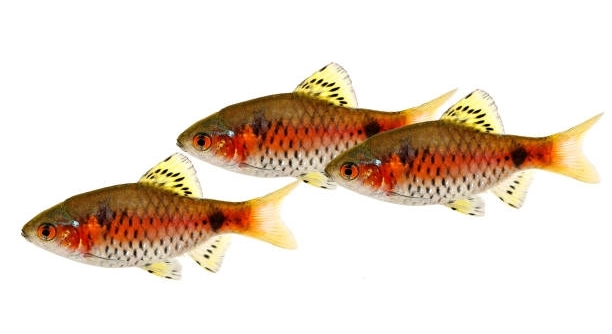
Rosy barbs are popular aquarium fish known for their vibrant colors and active behavior. Many fishkeepers enjoy watching their interactions and sometimes wonder if these fish show different traits. Understanding their behavior can add to the enjoyment of keeping them.
Rosy barbs do exhibit variations in behavior that may be interpreted as unique personalities. These differences stem from genetic factors, environmental conditions, and social interactions within their groups. While not fully understood, research supports that individual fish can display consistent behavioral traits over time.
Learning more about these behavioral differences can help you better care for your rosy barbs and appreciate their distinctiveness in the aquarium.
What Shapes Rosy Barbs’ Behavior?
Rosy barbs’ behavior is influenced by several factors that combine to create differences between individual fish. Genetics play a role in determining natural tendencies, such as activity levels and responses to stimuli. The environment, including tank size, water quality, and decorations, also affects how they act. Social dynamics within their group are important—dominance hierarchies and interactions with tank mates shape behavior as well. These factors together contribute to variations in how each rosy barb behaves daily. For example, some may be more curious and bold, exploring the tank frequently, while others stay shy or cautious. Changes in the environment, such as introducing new tank mates or rearranging decorations, can cause shifts in behavior, showing how adaptable they are. Observing your rosy barbs over time helps reveal consistent patterns that suggest unique behavioral traits.
Tank conditions and social settings heavily influence the personalities displayed by rosy barbs. Consistent observation is key to noticing these traits.
Recognizing the role of genetics, environment, and social structure helps in creating a supportive habitat. Providing space, hiding places, and compatible companions encourages natural behavior. This understanding aids in maintaining a healthy and balanced tank where individual differences can safely emerge and flourish.
Identifying Unique Traits in Rosy Barbs
Behavioral differences among rosy barbs become clearer through patient observation. Watching how each fish interacts with its surroundings and tank mates reveals patterns.
Personality traits may include differences in aggression, curiosity, or shyness. Some rosy barbs are more dominant, actively leading the group or defending territory, while others remain passive or avoid conflict. Others show varying levels of exploration, swimming boldly or preferring quiet corners. Feeding habits may also differ, with some fish eagerly competing for food and others waiting their turn. These consistent behavioral tendencies are signs of unique personalities. It is important to note that changes over time can occur due to age, health, or environmental changes. Understanding these traits improves care and helps reduce stress by catering to individual needs, such as providing more hiding spots for shy fish or ensuring enough space for more active ones. Monitoring behavior regularly allows adjustments that support a harmonious aquarium.
How Environment Affects Behavior
Tank setup directly influences rosy barbs’ actions. Space, plants, and hiding spots impact how comfortable and active they feel.
A larger tank with plenty of hiding places allows shy or less dominant fish to retreat when needed. This reduces stress and aggression. Bright lighting and open swimming areas encourage activity, making bolder fish more visible. Sudden changes, such as rearranging decorations or adding new fish, can disrupt established behaviors. Stable conditions promote consistent behavior patterns, helping fish show their natural tendencies. Water quality, including temperature and cleanliness, also plays a crucial role. Poor water can cause lethargy or stress, masking true personality traits.
Adjusting tank elements carefully supports a balanced environment where individual differences emerge naturally. Observing how fish respond to changes helps improve their well-being and reveals more about their behavior.
Social Interactions and Group Dynamics
Social structure affects how rosy barbs behave and express personality traits. Dominance hierarchies form quickly in groups.
Dominant fish often control feeding areas and lead movement, while others follow or avoid confrontation. Some rosy barbs show leadership qualities, swimming at the front or being more assertive. Subordinate fish might stay near hiding spots or swim cautiously. The number of fish in the tank influences these dynamics, as larger groups can dilute aggression and promote more natural social behavior. Pairing incompatible fish can increase stress and alter behaviors, so selecting compatible companions is important. Over time, stable groups tend to settle into consistent roles, with fish adapting their behavior accordingly. Watching these social interactions gives insight into how personalities develop and how fish communicate within the group.
Recognizing Signs of Stress
Stress affects rosy barbs’ behavior and health. Signs include hiding, loss of appetite, and erratic swimming.
Identifying stress early helps prevent illness. Adjusting tank conditions or social groups often improves their comfort and behavior.
Personality and Feeding Habits
Rosy barbs show personality differences during feeding. Some are eager and fast eaters, while others are more cautious or wait for their turn. These behaviors reflect their confidence and social status within the group. Providing enough food for all helps reduce competition and stress. Observing feeding habits gives clues about individual traits and can guide better care tailored to each fish’s needs.
Impact of Age on Behavior
As rosy barbs age, their activity levels and social roles may change. Older fish might become less active or more dominant depending on their health and experience.
Consistency Over Time
Behavioral traits tend to remain stable if conditions stay constant. Monitoring patterns helps understand each fish better.
Can Rosy Barbs Really Have Unique Personalities?
Yes, rosy barbs can show unique behaviors that suggest personality differences. While fish don’t have personalities exactly like mammals, individual variations in activity, aggression, and social behavior are noticeable. These traits develop through genetics and environmental factors and stay fairly consistent over time.
How Can I Tell If My Rosy Barb Is Shy or Bold?
Observe how your fish reacts to new objects, feeding times, and other fish. A shy rosy barb tends to hide more and avoids open swimming, while a bold one explores the tank freely and approaches feeding areas quickly. Shy fish may also stay close to plants or decorations.
Do Rosy Barbs Change Personality Over Time?
Fish behavior can shift slightly with age, health, or environmental changes. A young fish may be more active and curious, while an older one might calm down. Illness or stress can temporarily alter behavior, but stable conditions generally maintain consistent traits.
What Environmental Factors Influence Their Behavior?
Tank size, water quality, decorations, and lighting all impact how rosy barbs behave. Crowded or poorly maintained tanks increase stress and can suppress natural behaviors. Providing enough space, hiding spots, and clean water encourages healthy, natural activity levels.
Can Social Grouping Affect Their Personalities?
Absolutely. Rosy barbs are social fish and form hierarchies. Dominant fish often appear bolder and more active, while less dominant individuals may be more reserved. Group size matters too—a small group may lead to more aggression, while a larger one allows for more balanced social interaction.
How Does Feeding Behavior Reflect Their Personality?
Feeding times reveal traits like confidence and dominance. Some rosy barbs rush to the food and compete aggressively, while others hang back or wait patiently. Ensuring enough food for all reduces stress and lets each fish express its natural feeding behavior.
What Should I Do If One Fish Is Too Aggressive?
Aggression can upset tank harmony. Try rearranging decorations to break territories or adding more hiding places. Increasing group size can also reduce focus on one fish. If aggression continues, separating the aggressive fish may be necessary to protect others.
Are Rosy Barbs Easy to Train or Condition?
While not trainable like mammals, rosy barbs can learn to recognize feeding times and respond to cues. They may swim toward the surface when food is offered. Consistent routines help build this response over time.
Can Stress Affect Their Personality?
Stress can change how rosy barbs behave, making them hide more or act nervously. Causes include poor water quality, overcrowding, sudden changes, or incompatible tank mates. Reducing stress factors often restores normal behavior and personality expression.
Is It Important to Recognize Individual Differences?
Yes, understanding individual behavior helps provide better care. Tailoring tank conditions and social groupings to match each fish’s temperament improves well-being. It also makes watching their unique behaviors more rewarding.
How Can I Encourage Positive Behavior in Rosy Barbs?
Maintain clean, spacious tanks with stable water conditions. Provide hiding places and compatible companions. Avoid sudden changes and feed regularly with varied diets. These steps create a supportive environment for natural behavior to shine through.
Do Rosy Barbs Interact with Their Owners?
Though not affectionate like pets, rosy barbs may respond to your presence by swimming near the tank or following movements. This shows recognition and curiosity rather than a personality similar to mammals.
What Is the Best Group Size for Rosy Barbs?
A group of at least six rosy barbs is recommended. This number reduces aggression by spreading social tension and encourages natural schooling behavior, which benefits their mental and physical health.
Can Different Rosy Barbs Have Different Energy Levels?
Yes, some fish naturally swim more actively, while others conserve energy and move less. These differences reflect individual energy levels and personalities. Recognizing this prevents misunderstanding slower fish as unhealthy.
What Are Common Mistakes That Affect Behavior?
Common mistakes include overcrowding, poor water quality, lack of hiding places, and mixing incompatible species. These lead to stress, aggression, and hiding, masking true personalities. Proper care and observation are essential to avoid these issues.
How Long Does It Take to See Personality Differences?
Personality traits can be observed within a few weeks once fish settle into their environment. Regular, patient observation over time reveals consistent behavior patterns that indicate unique personalities.
Are Rosy Barbs Suitable for Beginner Fishkeepers?
They are generally hardy and easy to care for, making them a good choice for beginners. However, understanding their social needs and behavior helps maintain a healthy and peaceful aquarium.
Do Tank Decorations Influence Personality Expression?
Yes, the presence of plants, rocks, and caves gives shy fish places to hide and reduces stress, allowing them to show natural behavior. Open spaces encourage bolder fish to swim freely. Balanced decoration supports diverse personality expression.
Can Personality Differences Affect Breeding?
Personality plays a role during breeding. More dominant or active fish may secure spawning sites or mates first. Recognizing these behaviors helps manage breeding tanks and ensure all fish have fair chances.
Is It Possible to Change a Rosy Barb’s Personality?
Personality is mostly stable but can be influenced by environment and social factors. Improved tank conditions and compatible companions can bring out positive traits or reduce negative behaviors. However, fundamental personality differences usually remain.
What Should I Do If I Notice Sudden Behavior Changes?
Sudden changes may indicate stress, illness, or poor water quality. Test water parameters, check for disease, and review recent tank changes. Acting quickly helps restore health and behavior.
Rosy barbs show a range of behaviors that suggest they can develop unique personalities. While they do not have personalities like humans, individual differences in how they act are clear. These differences come from a mix of genetics, environment, and social interactions. Over time, these traits tend to stay consistent as long as the tank conditions remain stable. Observing your rosy barbs regularly can help you notice these patterns and understand your fish better. This awareness allows you to care for them in a way that supports their natural behavior and well-being.
The environment plays a big role in how rosy barbs behave. A spacious tank with good water quality, proper lighting, and enough hiding places encourages natural activity and reduces stress. Social dynamics are also important, as these fish form groups with clear social roles. The presence of dominant and shy fish creates a balance, and this social structure can influence each fish’s behavior. Knowing how these factors affect your fish can help you create a more comfortable home for them. It also makes it easier to spot when something is wrong, such as signs of stress or aggression, and to take action quickly.
Understanding the unique traits of rosy barbs improves the overall experience of keeping them. It makes daily observation more interesting and helps you provide better care tailored to their needs. By respecting their behavior and environment, you contribute to their health and happiness. Every rosy barb is a little different, and recognizing those differences adds value to the aquarium. This knowledge helps maintain a peaceful and balanced tank where each fish can thrive.

Hello,
If you enjoy the content that we create, please consider saying a "Thank You!" by leaving a tip.
Every little bit helps us continue crafting quality advice that supports the health, happiness, and well-being of pets around the world, for pets of all shapes, sizes, and species.
We really appreciate the kindness and support that you show us!