
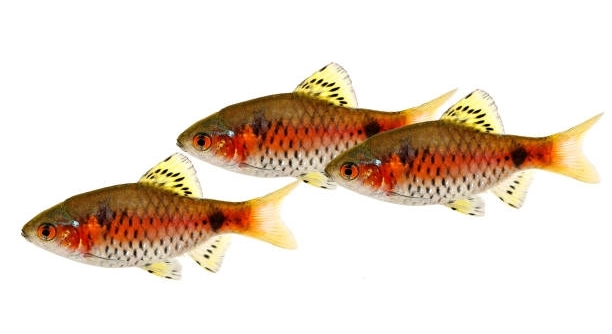
Do your rosy barbs sometimes swim in odd directions, leaving you wondering if something might be wrong in their tank?
Rosy barbs may swim sideways due to swim bladder disorders, water quality issues, or stress-related behaviors. These factors can disrupt their buoyancy and orientation, making it difficult for them to maintain normal swimming patterns.
Understanding the possible causes behind this behavior can help you create a safer, more stable environment for your fish to thrive.
Common Reasons Behind Sideways Swimming
Sideways swimming in rosy barbs is often linked to swim bladder disorders, which affect their ability to control balance and buoyancy. The swim bladder helps fish stay upright and move with ease. When it becomes damaged, inflamed, or infected, the fish may float awkwardly or tip to one side. Overfeeding, constipation, or gulping air during feeding can also lead to bloating, which places pressure on the swim bladder. Poor water quality—like high ammonia or nitrate levels—can irritate internal organs and worsen these issues. Rapid changes in temperature or pH can add further stress, increasing the likelihood of strange swimming patterns. Even aggressive tank mates or overcrowding may lead to anxiety-driven behavior, like erratic or sideways swimming. To rule out potential causes, closely observe your fish’s behavior and check tank conditions regularly. Addressing these problems early can prevent further health complications and support better movement and comfort for your rosy barb.
Swim bladder problems are usually easy to spot, but understanding the triggers is key to helping your fish recover quickly and safely.
Clean water, balanced feeding, and a calm environment all play an important role in keeping your rosy barb healthy and moving normally again.
How to Help Your Rosy Barb
The first step is to test your tank water.
Check for elevated ammonia, nitrite, or nitrate levels, and make sure the temperature and pH are consistent. If everything looks good, take a closer look at your fish’s diet. Overfeeding or feeding too much dry food can cause bloating, which affects buoyancy. You can try fasting your fish for a day or two and then offering a boiled, peeled pea—this helps with digestion and can relieve mild constipation. If symptoms continue, consider isolating the fish to reduce stress and make monitoring easier. Sometimes, antibiotics or antibacterial treatments are needed, especially if infection is suspected. Avoid sudden water changes or temperature shifts, as they can shock your fish and worsen symptoms. Gentle, consistent care and attention to tank conditions are the best ways to bring your rosy barb back to normal. Making these small changes helps support your fish’s recovery without adding more stress to its system.
When to Worry About Sideways Swimming
If your rosy barb swims sideways occasionally but eats and behaves normally, it’s likely not serious. However, if it’s frequent, paired with floating, sinking, or loss of appetite, it could signal a health issue that needs attention.
Persistent sideways swimming, especially when combined with bloating, lethargy, or isolation from other fish, should be taken seriously. These signs often point to internal issues like swim bladder dysfunction, constipation, or infection. Observe how long the behavior lasts and whether it worsens after feeding. If symptoms don’t improve within a few days of adjusting diet or tank conditions, it may be time to consult a vet or aquarium specialist. Early intervention can help prevent more severe health problems. Avoid using medication unless you’ve identified a specific cause, as some treatments may stress your fish further. Keep monitoring closely, and respond quickly if things don’t return to normal.
Stress from overcrowding, poor lighting, or aggressive tank mates can also contribute to this behavior. Creating a quiet and balanced tank environment often makes a noticeable difference. If other fish are chasing or nipping, consider using a tank divider or temporarily separating them. Adding plants and hiding spaces can give your rosy barb more room to relax and feel secure again.
Preventing Future Issues
Regular tank maintenance is key to keeping your rosy barb swimming normally. Clean the filter often, remove waste, and test water weekly to avoid harmful imbalances. Small, consistent changes make a big difference over time.
Feed your rosy barb a balanced diet with a mix of high-quality flakes, vegetables, and occasional live or frozen treats. Avoid overfeeding, and remove any uneaten food after a few minutes. Use a thermometer and heater to keep the water temperature steady, ideally between 72°F and 78°F. Make sure the pH stays stable around 6.5 to 7.5. When changing water, replace no more than 25% at a time to prevent sudden shifts. Quarantine new fish before adding them to the main tank to reduce the risk of spreading illness. Taking small, steady steps in care and monitoring can help prevent most problems before they start and keep your rosy barb active, upright, and healthy.
Tank Setup Matters
A well-set-up tank supports better swimming behavior. Make sure the tank size is appropriate—at least 20 gallons for a small group of rosy barbs. Provide clean, filtered water with steady temperature, and avoid overcrowding to reduce stress and discomfort.
Add plants and gentle decorations to give your fish hiding spots and swimming space. Avoid sharp or rough items that might injure them. Proper lighting and quiet surroundings also help promote calm behavior. A peaceful, well-maintained environment encourages natural movement and reduces odd swimming patterns over time.
Monitoring for Long-Term Health
Keep a log of any changes you notice in your rosy barb’s behavior, eating habits, or swimming patterns. This helps you track patterns and spot problems early. If sideways swimming returns even after adjusting the tank and feeding, it may point to an ongoing health condition. In those cases, professional guidance is worth considering. Vets who specialize in aquatic animals can recommend safe treatments. Staying consistent with care routines and paying attention to small details will support better health over time. Healthy rosy barbs are active, social, and swim with ease, so changes in behavior shouldn’t be ignored.
Final Thoughts
Simple changes in care often lead to big improvements in how your rosy barb swims and behaves each day.
FAQ
Why does my rosy barb swim sideways only sometimes?
Occasional sideways swimming can happen due to minor stress or a temporary imbalance in the swim bladder. It may be caused by sudden movements, changes in water flow, or a brief disturbance in the tank. If the fish is otherwise healthy, eating well, and swimming normally most of the time, this behavior is usually not a serious issue. Keep observing the fish and maintain stable tank conditions to prevent it from becoming more frequent.
Can overfeeding cause sideways swimming?
Yes, overfeeding can lead to constipation and bloating, which puts pressure on the swim bladder. This pressure makes it difficult for your rosy barb to control its buoyancy and stay upright. Feeding smaller portions and removing uneaten food can help prevent this. Offering fiber-rich foods like peas can aid digestion and reduce bloating, improving your fish’s swimming behavior.
Is poor water quality a common cause of this behavior?
Poor water quality is one of the most common causes of abnormal swimming in rosy barbs. High levels of ammonia, nitrites, or nitrates irritate the fish’s organs and stress the swim bladder. Regular water tests and proper tank maintenance are essential. Frequent water changes and a good filtration system keep water clean and reduce the risk of illness and swimming problems.
How can I tell if my fish has a swim bladder disorder?
Signs of swim bladder disorder include floating to the top, sinking to the bottom, swimming sideways, or struggling to stay upright. Your fish may also appear bloated or have difficulty swimming smoothly. If these symptoms last more than a few days despite good care, it’s likely a swim bladder issue. Treating constipation, improving water quality, and reducing stress are common ways to help.
Should I isolate my rosy barb if it swims sideways?
Isolating the fish can reduce stress and make it easier to monitor closely. If the fish is being bullied or chased, separation prevents further injury. Use a quarantine tank with stable conditions and keep feeding balanced meals. Isolation is usually temporary, just long enough for the fish to recover or for you to determine the cause of the problem.
Can stress cause sideways swimming in rosy barbs?
Stress is a common factor that affects swimming behavior. Overcrowding, aggressive tank mates, loud noises, or sudden changes in the tank can all cause stress. Stress weakens the immune system and can lead to swim bladder problems or other illnesses. Keeping a calm environment with plenty of space and hiding places helps reduce stress and supports healthy swimming.
Are there medications to fix sideways swimming?
Medications can be helpful but should be used only after identifying the cause. Swim bladder problems caused by infections may require antibiotics prescribed by a vet. Avoid unnecessary use of medications as they can cause more harm than good. Focus on improving water quality and diet first. Always follow instructions carefully when using any treatment.
Can genetics play a role in this behavior?
Genetics can sometimes influence swim bladder function or susceptibility to certain illnesses. Some fish may be more prone to swim bladder issues due to inherited traits. However, environmental factors like diet, water quality, and stress are usually the main reasons for sideways swimming. Providing the best care possible reduces risks even if genetics play a minor role.
How long does it take for a rosy barb to recover from swim bladder problems?
Recovery time varies depending on the cause and severity. Mild cases from constipation or stress can improve within a few days with proper care. More serious infections or injuries may take weeks to heal. Consistent tank maintenance, proper feeding, and avoiding sudden changes speed up recovery. Patience is important since rushing treatment can cause more stress.
Can sideways swimming be a sign of other diseases?
Yes, sideways swimming can indicate other health issues like internal infections, parasites, or injuries. These problems affect the fish’s nervous system or organs, making normal swimming difficult. If the behavior comes with other symptoms—such as clamped fins, discoloration, or loss of appetite—it’s important to seek advice from an aquarium professional or vet to diagnose and treat the condition.
Final Thoughts
Rosy barbs swimming sideways can be concerning, but this behavior is often a sign that something in their environment or health needs attention. Many causes relate to swim bladder issues, diet, or water quality. Understanding these factors helps provide the right care and makes it easier to recognize when the problem is serious. Small changes in feeding habits, tank maintenance, and monitoring water conditions can improve your fish’s balance and comfort. Most importantly, being patient and consistent with care supports your fish’s recovery and overall well-being.
Keeping a close eye on your rosy barbs’ behavior is one of the best ways to catch problems early. Sideways swimming that happens only once or twice may not mean much, but repeated or constant odd swimming patterns deserve careful attention. Stress, illness, or injury could be at play, so it’s important to look for other signs like loss of appetite, bloating, or lethargy. Maintaining a clean, stable tank with the right temperature and pH will lower the risk of swim bladder and other health issues. A balanced diet and avoiding overfeeding will help prevent digestive problems that contribute to buoyancy difficulties.
While it can feel frustrating when your fish isn’t behaving normally, remember that most swim bladder problems and related issues are manageable. With proper care and adjustments, your rosy barbs can return to their lively, graceful swimming. Creating a peaceful tank environment and addressing small problems quickly will keep your fish healthy over time. Your attention and care make a big difference, ensuring your rosy barbs stay active and comfortable in their home.

Hello,
If you enjoy the content that we create, please consider saying a "Thank You!" by leaving a tip.
Every little bit helps us continue crafting quality advice that supports the health, happiness, and well-being of pets around the world, for pets of all shapes, sizes, and species.
We really appreciate the kindness and support that you show us!