
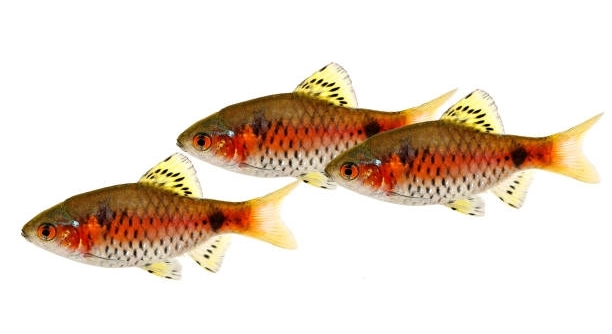
Adding a single Rosy Barb to your aquarium can bring subtle changes to the tank’s environment. These small, colorful fish are known for their lively nature and compatibility with many community fish. Understanding their behavior when kept alone is important for aquarium success.
When you add one Rosy Barb alone, it may become stressed or shy since they are naturally schooling fish. Without companions, they often exhibit less activity and may hide more frequently, impacting their overall health and well-being in the tank.
Knowing what to expect from a solitary Rosy Barb helps create a better environment for your fish and ensures their needs are properly met.
Behavior of a Single Rosy Barb in the Tank
A single Rosy Barb tends to behave differently than when kept in a group. Since these fish are naturally social, they rely on companionship to feel secure. Alone, a Rosy Barb may swim less actively and hide behind decorations or plants more often. This change in behavior can make the fish seem less vibrant or healthy. In some cases, the fish may become stressed due to the lack of interaction, which can weaken its immune system. The environment around it also plays a role. A well-planted tank with places to hide can help reduce stress, but it does not fully replace the presence of other Rosy Barbs. Understanding these behavioral shifts helps owners provide better care and prevent potential health issues.
Keeping one Rosy Barb alone is not ideal for its mental and physical health. It is best to consider their social needs.
While a single Rosy Barb can survive alone, its natural behaviors and happiness usually depend on having companions. They are more active and colorful in groups, which creates a livelier tank atmosphere. If adding more fish is not an option, enhancing the tank environment with plenty of plants and hiding spots can help. This setup provides stimulation and reduces stress. Regular interaction with the tank and gentle feeding routines also encourage the fish to be more active. However, the absence of peers remains a limiting factor for their overall well-being and behavior expression.
Tank Setup Considerations for One Rosy Barb
Tank size and layout become very important when keeping a single Rosy Barb. A minimum tank size of 20 gallons is recommended, as it allows the fish to swim freely and explore without feeling cramped. Decorations such as plants, rocks, and hiding places are essential to make the environment feel secure. Proper filtration and regular water changes maintain water quality, which is critical for a single fish without others to balance the ecosystem. Temperature should be kept stable around 74-78°F, which matches their natural habitat.
Providing the right environment supports the fish’s health and helps reduce stress.
Ensuring a comfortable and stimulating tank environment is key to keeping one Rosy Barb healthy. Attention to water conditions, hiding spots, and space allows the fish to maintain natural behaviors despite being alone.
Feeding a Single Rosy Barb
A single Rosy Barb’s diet needs to be balanced and consistent. Feeding small amounts twice a day helps maintain health and prevents overfeeding, which can pollute the tank.
Providing high-quality flakes or pellets designed for tropical fish ensures the Rosy Barb gets essential nutrients. Supplementing with live or frozen foods like brine shrimp or bloodworms offers variety and boosts its diet. Feeding should be done carefully to avoid leftover food, which can degrade water quality and harm the fish. Monitoring the fish’s eating habits helps detect stress or illness early, as a lack of appetite may signal problems.
It is important to adjust feeding amounts based on the fish’s activity and growth. Overfeeding is a common issue that can lead to obesity and water pollution, so moderation is key.
Compatibility with Other Fish
Single Rosy Barbs may show less aggression when introduced to peaceful species. They adapt better in community tanks with calm fish of similar size. Choosing compatible tank mates reduces stress and helps maintain a balanced aquarium environment. Avoid housing them with aggressive or much larger fish to prevent bullying.
Keeping Rosy Barbs with other schooling fish can improve their behavior and activity levels. However, if you only have one Rosy Barb, careful selection of tank mates is crucial. Suitable companions include tetras, danios, and smaller barbs that share similar water requirements. Monitoring interactions regularly is important to ensure all fish coexist peacefully, as stress from incompatible tank mates can affect health and lifespan.
Health Risks of Keeping One Rosy Barb
A single Rosy Barb can suffer from stress-related health issues due to loneliness. Stress weakens their immune system, making them more vulnerable to diseases.
Lack of social interaction may lead to lethargy and loss of appetite, both signs that the fish’s well-being is compromised and requires attention.
Signs of Stress in a Single Rosy Barb
Common signs of stress include hiding frequently, faded colors, and reduced swimming activity. These behaviors indicate the fish is uncomfortable or unhappy in its environment. Stress can also show as clamped fins or rapid breathing. Recognizing these signs early is crucial to take action and improve the fish’s living conditions before illness develops.
Importance of Social Interaction for Rosy Barbs
Rosy Barbs are naturally social fish that thrive in groups. Social interaction encourages natural behaviors such as schooling and active swimming. Without companions, their behavior changes, often leading to stress and inactivity. Group living also helps them feel safer and more confident in the tank.
Tank Maintenance for a Single Rosy Barb
Regular tank cleaning and water changes are essential to keep the environment healthy. This prevents buildup of harmful waste and keeps water parameters stable, supporting the fish’s well-being.
FAQ
Can a single Rosy Barb live happily alone?
A single Rosy Barb can survive alone, but it rarely thrives. These fish are naturally schooling and need companions to feel secure. When kept alone, they often become shy and less active. Without social interaction, their stress levels can increase, affecting their health and lifespan. To support a solitary Rosy Barb, the tank environment must be enriched with plants and hiding spots. Regular interaction during feeding can also help. However, keeping them in groups is the best way to ensure their happiness and natural behavior.
How big should the tank be for one Rosy Barb?
A minimum of 20 gallons is recommended for a single Rosy Barb. This size provides enough swimming space and reduces stress. Even though it is alone, the fish still needs room to swim actively and explore. A larger tank allows for better water stability and more space to add decorations that help the fish feel safe. Smaller tanks can cause the fish to feel cramped and increase the risk of poor water quality, which affects their health.
What is the best diet for a single Rosy Barb?
The best diet includes high-quality flakes or pellets made for tropical fish, supplemented with live or frozen foods like brine shrimp and bloodworms. Feeding small amounts twice a day keeps the fish healthy and prevents overfeeding, which can pollute the tank. Variety in diet helps provide essential nutrients and keeps the fish interested in food. Monitoring the fish’s appetite is important because a lack of interest in food can be an early sign of stress or illness.
Will a single Rosy Barb be aggressive?
A single Rosy Barb is usually less aggressive than a group of them, because aggression often comes from competition within schools. Alone, they tend to be shy or stressed rather than aggressive. However, stress can sometimes cause unusual behaviors, including aggression toward tank mates. Choosing peaceful companions and providing hiding places helps keep aggression low. Aggression is much more common when Rosy Barbs are kept in groups without enough space or resources.
Can a single Rosy Barb live with other fish?
Yes, a single Rosy Barb can live peacefully with other compatible fish. Ideal tank mates are calm species of similar size, such as tetras, danios, or smaller barbs. Avoid larger, aggressive fish that may bully the Rosy Barb. Watching how the fish interact is important to make sure no stress or harm occurs. Adding compatible companions can improve the single Rosy Barb’s behavior, making it more active and less shy.
How often should I clean the tank for a single Rosy Barb?
Regular cleaning is vital. Partial water changes of 20-30% once a week keep water quality high and waste low. Cleaning the filter monthly and removing uneaten food daily prevent harmful buildup. Maintaining clean water reduces stress and helps prevent disease, which is especially important for a single fish without others to balance the tank. Keeping the tank stable and clean supports the fish’s immune system and overall well-being.
What signs show that my single Rosy Barb is stressed?
Signs include hiding frequently, faded colors, clamped fins, reduced swimming, and loss of appetite. Rapid breathing or staying at the surface or bottom of the tank can also indicate stress. These behaviors suggest the fish feels insecure or unhealthy. Stress reduces the fish’s resistance to disease, so noticing these signs early allows for adjustments in care, such as improving tank conditions or adding tank mates.
Is it better to keep Rosy Barbs in groups rather than alone?
Yes, keeping Rosy Barbs in groups is better for their health and happiness. They are schooling fish and naturally swim in groups, which encourages active behavior and reduces stress. Groups provide social interaction, making the fish feel safe and confident. A minimum group of five is recommended to observe natural schooling behaviors. Alone, they often become shy and inactive, which can affect their lifespan.
Can a single Rosy Barb breed?
A single Rosy Barb cannot breed on its own. Breeding requires at least one male and several females. Without a group, breeding behavior will not occur. If breeding is desired, it is important to provide proper conditions such as a separate breeding tank, suitable water temperature, and plenty of plants or spawning sites. Breeding is complex and should be done only if you have experience or guidance.
How can I improve the life of a single Rosy Barb?
Enhancing the tank with plants, hiding places, and decorations creates a stimulating environment. Maintaining excellent water quality and stable temperature helps reduce stress. Feeding a varied, balanced diet supports health. Interacting gently during feeding times can encourage activity. When possible, adding compatible tank mates will improve social interaction. These steps help a solitary Rosy Barb feel more secure and exhibit natural behaviors despite being alone.
Keeping a single Rosy Barb in an aquarium presents some challenges because these fish are naturally social creatures. While it is possible for one to live alone, it may not live its best life without companions. Rosy Barbs thrive in groups where they can swim together and interact, which helps reduce stress and encourages natural behaviors. When kept alone, a Rosy Barb may become shy, less active, and more prone to stress-related health issues. These changes can affect its overall well-being and lifespan, making group care the preferred approach for these fish.
If adding more Rosy Barbs is not an option, creating a well-planned tank environment is essential. Providing plenty of plants, hiding spots, and decorations can help the fish feel more secure. A tank of at least 20 gallons is recommended to give the fish enough space to swim freely and explore. Maintaining good water quality through regular cleaning and water changes is also important. Feeding a balanced diet with quality flakes or pellets, supplemented with live or frozen foods, supports the fish’s health. Even with these efforts, a single Rosy Barb may still show signs of loneliness or stress without the presence of other fish.
Ultimately, understanding the needs of a Rosy Barb can help ensure better care and a healthier life for your fish. Observing its behavior closely allows you to spot stress signs early and adjust care as needed. Whether kept alone or with a group, providing the right environment, diet, and maintenance is key. While a single Rosy Barb can survive on its own, meeting its social needs by keeping it with others is the best way to promote a happier, more active fish. This knowledge helps fishkeepers make informed decisions about their aquarium setup and care practices.

Hello,
If you enjoy the content that we create, please consider saying a "Thank You!" by leaving a tip.
Every little bit helps us continue crafting quality advice that supports the health, happiness, and well-being of pets around the world, for pets of all shapes, sizes, and species.
We really appreciate the kindness and support that you show us!