
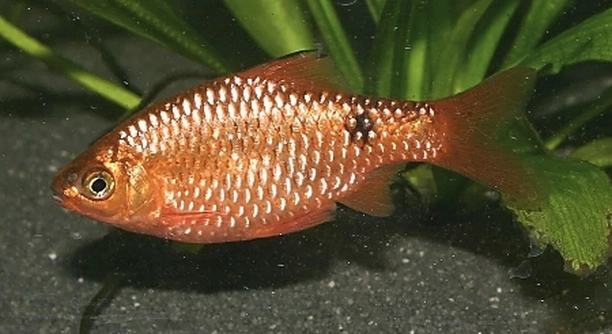
Do your rosy barbs seem restless or uninterested in their tank setup, even with plenty of space and clean water?
The most effective way to introduce plants to a rosy barb tank is by choosing sturdy, fast-growing species and acclimating them slowly. This reduces stress for the fish and prevents plant damage or uprooting.
Selecting the right plants and planting methods helps create a healthy environment while maintaining harmony between your rosy barbs and their aquatic surroundings.
Choose Hardy, Fast-Growing Plants
When adding plants to a rosy barb tank, always start with hardy, fast-growing options. These plants can handle nibbles and high activity levels without falling apart. Rosy barbs are known to be energetic swimmers that may disturb or snack on delicate leaves. Plants like hornwort, Java fern, and anubias are strong enough to survive these conditions. They also help maintain water quality and provide cover. Be sure to rinse new plants thoroughly before placing them in the tank to avoid introducing pests or contaminants. Anchor them properly using gravel, plant weights, or driftwood to prevent uprooting.
Hardy plants are less likely to be damaged and will grow steadily, even with active fish nearby.
Floating plants can also be a great choice. They don’t need anchoring and offer shade, which helps reduce stress in fish. You’ll want to monitor growth and trim as needed to prevent them from blocking light.
Acclimate Plants Slowly
Sudden changes in water conditions can cause stress for both plants and fish. Introducing new plants gradually helps them adapt better to the tank environment.
Start by letting the plants sit in a quarantine container for a few days, especially if they came from a pet store. This allows you to inspect them for any signs of pests, fungus, or decay. After the quarantine period, place the plants into the tank without disturbing existing fish behavior too much. Insert a few plants at a time instead of all at once. This gives your rosy barbs a chance to get used to the new objects in their space. Watch how your fish react and adjust as needed. If you notice excessive nibbling or damage, try rearranging tank decor to reduce attention on the plants. Adding some leafy or stemmed plants first, followed by floating ones, also helps manage how your fish interact with the new additions.
Secure Plants with the Right Tools
Rosy barbs are active swimmers, so unsecured plants can easily get uprooted. Use weights, rocks, or plant anchors to keep stems and roots in place. This helps your plants settle properly and grow without constant disruption from fish movement.
Choose tools that are aquarium-safe and won’t rust or release harmful materials into the water. Lead plant weights wrapped around the base can help keep stem plants steady. You can also use smooth rocks or aquarium-safe glue to attach plants like anubias or Java fern to driftwood or decorations. When planting rooted species, press them gently into the substrate and cover their base without burying the crown. Avoid overcrowding plants; give each one space to grow. This also helps reduce plant competition and fish interference. A secure base allows plants to grow strong roots and stay anchored even with active fish nearby.
Once secured, monitor the plants during the first few days. If any shift or float, adjust them immediately. Sometimes barbs will test new additions, but once the plants are stable and rooted, they tend to be left alone. Consistent trimming and light repositioning may be needed until everything stays firmly in place and begins to grow steadily.
Use a Balanced Lighting Schedule
Too much light can cause algae, while too little limits plant growth. Keep lights on for 8–10 hours daily, depending on your plants’ needs. Consistency is key, so using a timer helps keep everything balanced and easy to manage.
Fast-growing plants generally benefit from steady lighting, but avoid intense bulbs that may encourage algae. A moderate-strength LED light works well in most tanks. Position the light evenly across the tank so all plants get coverage. Monitor for any signs of stress—yellowing leaves may mean too little light, while excessive algae often means too much. Keep the tank away from direct sunlight, as that can trigger unwanted algae blooms. If using floating plants, adjust their spread so lower plants still receive enough light. Maintaining a balance between light, nutrients, and carbon dioxide will support steady plant growth without overwhelming the tank. Regularly clean the light fixture and check for any changes in plant health.
Avoid Overcrowding the Tank
Too many plants can block swimming space and disrupt water flow. Rosy barbs are active and need room to move. Keep open areas in the middle and use plants around the edges or in corners to maintain a balanced layout.
Dense planting also reduces oxygen circulation. Make sure your filter’s flow isn’t blocked by leaves or stems. This helps maintain good water quality and keeps your tank healthier for both plants and fish. A well-spaced layout also makes cleaning and trimming much easier over time.
Monitor Fish Behavior Around New Plants
Watch how your rosy barbs react to the plants in the first week. Some fish may nibble, while others may ignore them completely. If damage appears, try swapping to a tougher plant or adding distractions like floating toys or extra hiding spots. It may take time for your barbs to adjust, but they often stop once the plants are well-rooted and stable.
Clean Plants Regularly
Algae and waste buildup can affect plant health. Wipe leaves gently or trim affected parts during regular tank maintenance.
How long does it take for plants to establish in a rosy barb tank?
Plants usually take about two to four weeks to establish in a tank with rosy barbs. This time allows roots to grow firmly into the substrate and leaves to adjust to the water conditions. During this period, plants might look a little damaged or stressed, especially if the fish nibble on them. Providing stable water parameters and proper lighting speeds up the process.
Can rosy barbs eat all types of aquarium plants?
Rosy barbs tend to nibble on soft, delicate plants but usually avoid tougher species. Fast-growing, sturdy plants like Java fern, anubias, and hornwort are less likely to be eaten. Floating plants and those with thicker leaves also tend to survive better. It’s important to choose plants based on your fish’s behavior and tank setup.
What plants are best for a rosy barb tank?
Hardy plants such as Java fern, anubias, hornwort, and Amazon sword are well-suited for rosy barb tanks. These species tolerate active fish and grow quickly, helping to improve water quality. Floating plants like duckweed and water lettuce provide shade and reduce stress in fish, while rooted plants offer shelter and hiding spots.
How often should I trim plants in a rosy barb tank?
Trimming depends on plant growth rate but usually every two to four weeks is enough. Fast-growing plants need regular trimming to prevent overcrowding and maintain good water flow. Removing dead or damaged leaves also helps keep the tank clean and healthy.
How can I prevent algae growth on my plants?
Balance lighting, nutrients, and water changes to control algae. Keep the light on for about 8 to 10 hours daily and avoid direct sunlight. Regular water changes and avoiding overfeeding fish reduce excess nutrients that feed algae. Adding algae-eating species or snails can also help keep algae under control.
Will my rosy barbs uproot plants?
They might try, especially with loose or newly planted species. Using weights or anchoring plants to decorations helps prevent uprooting. Press rooted plants gently into the substrate and avoid burying crowns to encourage strong root development.
Is it necessary to quarantine plants before adding them to the tank?
Yes, quarantining plants for a few days is a good practice. It helps detect and remove pests, snails, or diseases that could harm the tank environment. Quarantine also allows plants to adjust to water conditions before being introduced.
Can I use fertilizers with rosy barbs?
Aquarium-safe fertilizers can benefit plant growth but use them carefully. Avoid overdosing, which can harm fish and promote algae. Choose fertilizers designed for planted tanks and follow instructions closely. Consider root tabs for substrate feeders to avoid excess nutrients in water.
What should I do if rosy barbs keep damaging plants?
Try offering more hardy plants or rearranging tank decorations to distract fish. Adding floating plants or extra hiding spots can reduce nibbling by making fish feel secure. Feeding fish well also helps decrease plant damage caused by hunger.
How do I know if my plants are healthy?
Healthy plants have vibrant, green leaves without holes or discoloration. Strong roots and steady growth are signs of good health. Yellowing or melting leaves may indicate poor water conditions, insufficient light, or nutrient deficiency. Regular observation helps catch problems early.
Are floating plants good for rosy barb tanks?
Floating plants provide shade and reduce stress, which benefits active fish like rosy barbs. They help absorb excess nutrients and improve water quality. However, they may block light for lower plants, so manage coverage and trim when necessary.
Can rosy barbs live without plants?
Yes, they can live without plants but benefit greatly from them. Plants improve water quality, reduce stress, and create a more natural environment. They also provide hiding spots and places for rosy barbs to explore.
How often should I clean the plants?
Cleaning plants every two to four weeks during water changes is usually sufficient. Gently wipe leaves to remove algae or debris, and trim dead parts to prevent decay. Avoid harsh cleaning methods that damage delicate leaves.
What substrate works best for planted rosy barb tanks?
A nutrient-rich substrate supports root growth and plant health. Fine gravel or aquarium soil works well, providing stability and nutrients. Avoid substrates that are too coarse or light, as they allow uprooting. Mixing substrate types can also improve plant support.
Can I add new plants to an established rosy barb tank?
Yes, but add plants gradually to avoid stressing fish and disrupting the tank balance. Quarantine new plants, then introduce a few at a time. Monitor fish behavior and plant health closely after adding new plants to ensure smooth adaptation.
Introducing plants to a rosy barb tank requires patience and careful planning. These fish are active and curious, which can make maintaining healthy plants a challenge. Choosing hardy, fast-growing plants and securing them properly are key steps to success. Providing the right lighting and avoiding overcrowding will help plants thrive while giving rosy barbs enough room to swim freely. Paying attention to how your fish interact with the plants can also guide adjustments for a balanced tank environment.
It is important to monitor plant health regularly. Signs like yellowing leaves or uprooted plants often mean changes are needed in lighting, placement, or tank conditions. Cleaning plants gently and trimming dead parts helps keep them strong and prevents decay. Maintaining a consistent lighting schedule and preventing algae growth contribute to a stable habitat. Using fertilizers carefully can support growth but should be balanced with the needs of both plants and fish.
Ultimately, creating a healthy rosy barb tank with plants takes time and effort, but the results are worth it. Plants improve water quality, provide shelter, and make the tank more natural and attractive. By following the tips on choosing the right plants, acclimating them slowly, and managing their care, you can create a thriving aquatic environment. This balance helps keep rosy barbs active and healthy, while maintaining the beauty and health of the planted tank.

Hello,
If you enjoy the content that we create, please consider saying a "Thank You!" by leaving a tip.
Every little bit helps us continue crafting quality advice that supports the health, happiness, and well-being of pets around the world, for pets of all shapes, sizes, and species.
We really appreciate the kindness and support that you show us!