
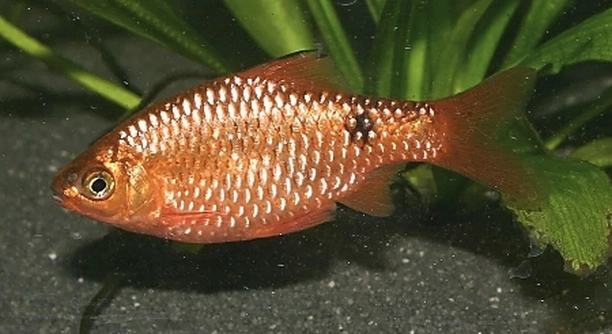
Caring for Rosy Barbs requires attention to their environment and behavior to keep them healthy and calm. Stress can affect their health, growth, and coloration, making it important to manage properly. This article will share simple ways to reduce stress in Rosy Barbs.
Reducing stress in Rosy Barbs involves maintaining clean water, providing adequate space, ensuring a balanced diet, minimizing sudden changes, offering hiding places, avoiding overcrowding, and monitoring tank mates. Each factor plays a crucial role in promoting their well-being and longevity.
Learning these key steps can help you create a better home for your Rosy Barbs and keep them thriving in your aquarium.
Keep the Water Clean and Stable
Maintaining clean water is essential for reducing stress in Rosy Barbs. Regular water changes remove harmful toxins and prevent waste buildup, which can cause discomfort and illness. Testing water parameters such as pH, ammonia, nitrite, and nitrate levels helps ensure a safe environment. Sudden fluctuations in these values can shock the fish and increase stress. Aim for stable conditions by changing 20-30% of the water weekly and avoiding overfeeding, which contributes to waste. Using a reliable filter and cleaning it regularly keeps the water clear and healthy. Additionally, keeping the water temperature between 72°F and 78°F is ideal for Rosy Barbs. Consistency is key—rapid changes can cause stress and weaken their immune system. Taking these steps helps Rosy Barbs feel secure and thrive in their habitat.
Clean, stable water reduces harmful bacteria and keeps fish comfortable. It lowers stress and supports their immune systems, making them less prone to disease.
Clear water and steady conditions are the foundation of a healthy tank. When the water stays balanced, Rosy Barbs swim actively, show brighter colors, and behave naturally. Neglecting water quality can lead to lethargy, loss of appetite, and increased vulnerability to infections. Regular maintenance avoids these issues and creates a peaceful tank environment. It’s a simple routine that pays off by keeping your fish happy and healthy over time.
Provide Adequate Space and Hiding Spots
Rosy Barbs need enough room to swim freely and places to hide when they feel threatened. Overcrowding leads to competition for space and food, which raises stress levels. A tank size of at least 20 gallons is recommended for a small group, allowing fish to explore and establish territories.
Hiding spots like plants, rocks, or decorations offer shelter and reduce anxiety. These spaces give Rosy Barbs a chance to rest and feel safe during stressful moments or when adjusting to new surroundings.
Without enough space or hiding places, Rosy Barbs can become aggressive or withdrawn. Providing a spacious tank with varied cover lets them express natural behaviors. This setup decreases stress and supports social harmony in the group. When fish have room to swim and retreat, they stay more active and show healthier colors. Balancing open areas and hiding spots ensures they stay comfortable and confident in their environment.
Feed a Balanced Diet
Feeding Rosy Barbs a balanced diet helps reduce stress by keeping them healthy and energized. High-quality flakes, pellets, and occasional live or frozen foods provide the necessary nutrients.
A varied diet supports their immune system and vibrant colors. Avoid overfeeding, as excess food can pollute the tank and stress the fish. Feeding small amounts two to three times daily is ideal. Including protein-rich foods like brine shrimp or bloodworms encourages natural foraging behavior and keeps them active. Balanced nutrition also promotes growth and resistance to disease, making the fish less vulnerable to stressful conditions.
Providing proper nutrition prevents weakness and helps Rosy Barbs cope with environmental changes. Nutrient-rich meals contribute to their overall well-being and calm behavior. When fish receive the right food regularly, they are less prone to illness and better able to handle minor stressors in the aquarium.
Avoid Sudden Changes
Sudden changes in water temperature, lighting, or tank setup increase stress levels in Rosy Barbs. Stability is important for their comfort and health.
Gradual adjustments help the fish adapt without shock. When adding new decorations or changing water, introduce changes slowly over days or weeks. Avoid turning on bright lights suddenly or moving the tank to a new location without acclimation. Sudden temperature swings can weaken immune responses, making Rosy Barbs more prone to disease. Maintaining a consistent daily routine, such as feeding and lighting schedules, creates a sense of predictability and reduces anxiety. Small steps prevent unnecessary stress and support long-term health in your fish.
Provide Compatible Tank Mates
Choosing peaceful tank mates helps keep Rosy Barbs calm and stress-free. Avoid aggressive or overly dominant species that may harass them.
Ideal companions are other small, peaceful fish like danios or tetras. Keeping compatible fish reduces fighting and competition, creating a more relaxed environment for Rosy Barbs.
Monitor Tank Conditions Regularly
Regular checks on water quality and fish behavior are key to stress prevention. Watch for signs of illness or aggression early. Quick action can prevent bigger problems and maintain a healthy tank.
Offer Proper Lighting
Provide moderate lighting that mimics natural daylight. Avoid bright or flashing lights, which can startle Rosy Barbs and increase stress.
FAQ
How often should I change the water for Rosy Barbs?
Regular water changes are essential to keep Rosy Barbs healthy and stress-free. Changing about 20-30% of the water every week helps remove waste and toxins that build up in the tank. Frequent partial changes are better than doing a large change rarely, as sudden shifts can stress the fish. Using a gravel vacuum during water changes also helps remove uneaten food and debris. Maintaining clean water keeps their environment stable and reduces the risk of disease.
What is the best diet for Rosy Barbs?
Rosy Barbs thrive on a varied diet that includes high-quality flakes or pellets as a staple. Adding live or frozen foods like brine shrimp, bloodworms, or daphnia provides extra protein and encourages natural hunting behavior. Feeding small amounts two to three times daily prevents overfeeding and reduces water pollution. Avoid feeding only one type of food to ensure they receive all necessary nutrients, which supports their immune system and vibrant coloration.
Can Rosy Barbs live with other fish?
Yes, Rosy Barbs do well with other peaceful, similarly sized fish. Suitable tank mates include danios, tetras, and other barbs that are not overly aggressive. Avoid housing them with large, aggressive fish that may bully or stress them. Keeping compatible species together creates a calm tank environment and helps reduce stress. Always monitor new fish introductions closely to ensure peaceful interactions.
What signs show that Rosy Barbs are stressed?
Signs of stress in Rosy Barbs include hiding frequently, loss of appetite, faded colors, erratic swimming, or gasping at the water surface. They may also become more aggressive or lethargic. These behaviors usually indicate problems like poor water quality, overcrowding, or incompatible tank mates. Observing your fish daily helps catch stress early so you can make necessary adjustments quickly.
How important is tank size for Rosy Barbs?
Tank size is very important for Rosy Barbs because they are active swimmers. A minimum of 20 gallons is recommended for a small group to provide enough space and reduce aggression. Overcrowding increases competition for food and territory, which raises stress levels. A larger tank with plenty of swimming room and hiding spots helps them feel secure and stay healthy.
How do I prevent temperature fluctuations?
Using a reliable heater with a thermostat helps keep water temperature steady, ideally between 72°F and 78°F. Avoid placing the tank near windows, air conditioners, or heaters that cause temperature swings. Checking the temperature regularly with a thermometer ensures stability. Sudden changes weaken Rosy Barbs’ immune systems and increase stress, so keeping consistent conditions is key.
Why are hiding spots necessary?
Hiding spots reduce stress by giving Rosy Barbs places to retreat when feeling threatened or during rest. Plants, rocks, and decorations create safe areas that mimic their natural environment. Without these shelters, fish may feel exposed and anxious, leading to poor health and increased aggression. Hiding places also encourage natural behaviors and help establish territories within the tank.
How do I handle sudden changes in the tank?
Introduce any changes slowly and gradually. For example, when adding new decorations, move them in small steps over days to avoid startling the fish. Gradually adjust water parameters like temperature or pH rather than making rapid shifts. Sudden changes disrupt the fish’s sense of security and can cause shock, increasing the risk of illness. Patience during changes keeps Rosy Barbs calm and adaptable.
What role does lighting play in reducing stress?
Lighting that mimics natural daylight with moderate brightness helps regulate the fish’s daily rhythms. Avoid bright, flashing, or overly intense lights, as they can startle Rosy Barbs and cause stress. Providing a consistent light schedule, such as 10-12 hours per day, supports their health and activity levels. Proper lighting also enhances their natural colors and encourages normal behavior.
Taking good care of Rosy Barbs means paying close attention to their environment and daily needs. Stress can harm their health, cause illness, and shorten their lifespan, so it is important to keep their tank clean and stable. Regular water changes and testing water quality help maintain a safe place for them to live. Along with water care, providing enough space and hiding spots creates a comfortable home where Rosy Barbs feel secure. These simple steps support their natural behavior and help reduce anxiety.
Feeding Rosy Barbs a balanced diet is another key factor in lowering stress. Offering a variety of foods like flakes, pellets, and occasional live or frozen treats ensures they get all the nutrients they need. Overfeeding can lead to poor water quality and health issues, so it is best to feed small amounts regularly. Also, choosing compatible tank mates and avoiding sudden changes in lighting, temperature, or tank setup helps keep Rosy Barbs calm and healthy. A stable and peaceful environment is vital for their well-being.
By following these basic care guidelines, you can create a tank that supports the happiness and health of your Rosy Barbs. Paying attention to water quality, space, diet, and social dynamics reduces stress and promotes vibrant colors and active behavior. Consistency and patience are important when managing their needs. When fish feel safe and well cared for, they are more likely to thrive and bring enjoyment to your aquarium. These final points serve as a reminder that good care requires regular effort but results in a healthy, lively community of Rosy Barbs.

Hello,
If you enjoy the content that we create, please consider saying a "Thank You!" by leaving a tip.
Every little bit helps us continue crafting quality advice that supports the health, happiness, and well-being of pets around the world, for pets of all shapes, sizes, and species.
We really appreciate the kindness and support that you show us!