
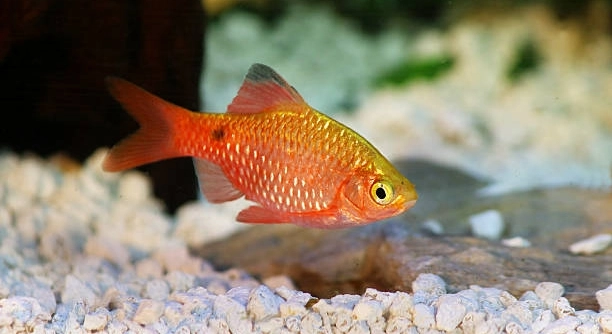
Is your rosy barb moving strangely in the tank, swimming in odd directions or even flipping upside down without warning? Watching a fish act this way can be concerning, especially if it’s been healthy before.
The most common reason your rosy barb is swimming upside down is a swim bladder disorder. This condition affects the fish’s ability to control its buoyancy, often caused by overfeeding, constipation, or bacterial infections.
Knowing what causes this behavior can help you respond quickly and effectively to improve your fish’s health and comfort in the tank.
What Causes Swim Bladder Issues in Rosy Barbs
Swim bladder problems in rosy barbs usually stem from a few common sources. Overfeeding is one of the main reasons. When a fish eats too much or too quickly, it can swallow air or develop digestive issues that put pressure on the swim bladder. Constipation can also block normal movement and affect buoyancy. Poor water quality, such as high ammonia or nitrate levels, may trigger inflammation or stress, which can lead to infections. In some cases, physical injury or genetic defects may be involved. Sudden changes in tank temperature or pH can also disrupt the internal balance of the fish. Rosy barbs are generally hardy, but they are not immune to poor tank conditions. Maintaining a clean, stable environment is one of the best ways to keep them healthy. Once the swim bladder is affected, fish may float uncontrollably, sink to the bottom, or swim upside down without direction.
Swim bladder disorders are not contagious, but they do require prompt attention. Left untreated, the fish can become weak or stressed.
Watching for signs early—like erratic swimming or loss of appetite—makes a big difference. These signs often show up before the fish completely loses control of its balance.
How to Help Your Rosy Barb Recover
Fast your fish for 24 to 48 hours. This helps clear out any digestive blockages that may be affecting the swim bladder.
After fasting, feed your rosy barb a small amount of blanched, peeled peas. This acts as a natural laxative and can help relieve constipation. Make sure the peas are soft and chopped finely to make them easy to eat. Keep an eye on your fish during this time. If symptoms improve, continue with a high-fiber diet and reduce feeding to once or twice a day in small amounts. Test the water to ensure all levels—especially ammonia, nitrites, and nitrates—are safe. Perform a partial water change if necessary. If there’s no improvement after a few days, consider separating the fish into a quarantine tank and consulting with a vet. Medicated food or antibiotics might be needed if infection is suspected. Clean tank conditions, slow feeding, and observation are key to recovery. Keeping stress low gives your rosy barb the best chance to heal.
Preventing Future Swim Bladder Problems
Feed your rosy barb slowly and in small portions. This reduces the chance of gulping air or overeating, which often leads to bloating and buoyancy trouble. Stick to a regular feeding schedule and avoid giving too many treats or rich foods.
Choose high-quality food with good fiber content. Flakes and pellets should be soaked briefly before feeding to prevent air intake. Supplement their diet with blanched vegetables like peas or spinach once or twice a week. Avoid feeding them floating food all the time, as this encourages them to gulp air. Observe your fish after meals to make sure they’re swimming normally. Keeping the feeding routine consistent not only supports digestion but also helps with overall health. If your rosy barb eats too fast, consider feeding them separately or spreading the food across the tank to reduce competition and stress.
Monitor water quality closely. Test the water weekly for ammonia, nitrite, and nitrate levels. Ammonia and nitrite should be at zero, while nitrates should be kept below 20 ppm. Do partial water changes of about 25% weekly to keep the environment clean. A stable water temperature, ideally between 72–78°F, also supports a healthy digestive system and prevents stress. Stability is more important than chasing perfect numbers.
When to Seek Professional Help
If your rosy barb is still swimming upside down after a few days of home care, it may be time to contact a vet who specializes in fish. A bacterial infection or internal issue may need medication or a more targeted treatment plan.
Some conditions aren’t visible to the eye. X-rays or other diagnostic tools may be needed to check the swim bladder’s shape and position. If your fish has been struggling for more than a week or showing signs of distress like gasping or loss of color, professional help is important. In some cases, the swim bladder may be permanently damaged. While not all cases are curable, a vet can offer relief or guidance on long-term care. Don’t wait too long if your fish’s behavior is worsening. Early intervention often leads to better results, especially if infection or organ damage is involved.
Other Signs to Watch For
Look for signs like loss of appetite, floating at the surface, or sinking to the bottom. These behaviors often appear before the fish begins swimming upside down and can point to early swim bladder trouble.
Also, check for clamped fins, curved spine, or signs of bloating. These symptoms may suggest constipation, infection, or injury.
Adjusting the Tank Setup
Make sure your tank has a gentle filter flow, as strong currents can make swimming more difficult for a fish with balance issues. Use a sponge filter or baffle the current if needed. Keep the substrate clean and avoid sharp decorations that could injure a struggling fish. Add plants or low hiding spots to help the fish rest without floating to the top or sinking too far. Proper lighting and a calm environment can also reduce stress and support healing. Maintaining a steady temperature and checking all equipment regularly will help keep your tank safe and stable.
Final Tip for Long-Term Care
Stick to a simple feeding routine and test your water regularly. A healthy, stable tank makes a big difference in preventing swim bladder problems from returning.
FAQ
Why is my rosy barb swimming upside down suddenly?
Sudden upside-down swimming usually points to a swim bladder issue. This can happen due to overeating, swallowing air while feeding, constipation, or infection. Changes in water quality or temperature stress may also cause this behavior. Monitoring diet and tank conditions helps prevent this problem.
Can swim bladder problems be cured?
In many cases, yes. Minor swim bladder issues caused by constipation or overfeeding can improve with fasting and feeding soft foods like peas. If the problem is due to infection, antibiotics may be necessary. However, some cases with physical damage or genetic issues may not fully recover.
How long does it take for a rosy barb to recover?
Recovery time varies depending on the cause and severity. Constipation-related issues may improve within a few days of treatment. Bacterial infections or injuries might take longer and require ongoing care. It’s important to act quickly to improve outcomes.
Is my tank environment causing this?
Poor water quality, sudden changes in temperature, or strong currents can contribute to swim bladder problems. Regular water testing, partial water changes, and stable conditions are crucial. Avoid overcrowding and aggressive tank mates that cause stress.
Should I separate the affected fish?
Separating your fish into a quarantine tank can reduce stress and prevent the spread of infection if bacterial causes are suspected. It also makes it easier to control feeding and administer medication if needed.
What foods are best for preventing swim bladder problems?
High-quality flakes or pellets soaked before feeding help prevent air intake. Adding blanched vegetables like peas or spinach provides fiber and aids digestion. Avoid overfeeding and floating foods that encourage gulping air.
Can poor swimming affect my rosy barb’s lifespan?
If left untreated, swim bladder disorders can cause stress, difficulty feeding, and vulnerability to other illnesses, which may shorten lifespan. Proper care and early treatment improve chances of long-term health.
Are there other diseases that mimic swim bladder problems?
Some infections, parasites, or injuries may cause similar swimming issues. Observing other symptoms like discoloration, sores, or fin damage can help differentiate. Consulting a vet is advisable if you’re unsure.
Can stress cause swim bladder issues?
Yes. Stress from overcrowding, poor water quality, aggressive tank mates, or sudden environmental changes can weaken the immune system, making your rosy barb more prone to swim bladder problems.
How often should I test my aquarium water?
Testing weekly for ammonia, nitrites, nitrates, and pH helps catch problems early. Maintaining stable water parameters is key to preventing many health issues in fish, including swim bladder disorders.
Is it normal for rosy barbs to gulp air?
Occasionally gulping air at the surface can happen but frequent gulping may lead to swim bladder trouble. Feeding techniques and tank conditions can reduce this behavior.
What can I do if my rosy barb refuses to eat?
Loss of appetite is common with swim bladder issues. Try fasting for a day or two, then offer soft foods like peas. If appetite doesn’t return, consult a vet for possible infection or illness.
Can temperature affect swim bladder health?
Yes. Temperatures outside the ideal range (72–78°F) can stress fish and affect digestion, increasing the risk of swim bladder problems. Use a reliable heater and thermometer to maintain steady temperatures.
How important is tank size for rosy barbs?
A properly sized tank with enough swimming space reduces stress and supports healthy behavior. Overcrowding can cause stress, injury, and digestive issues that affect buoyancy.
What are early signs of swim bladder problems?
Look for difficulty swimming, floating on one side, bloating, or resting near the surface or bottom more than usual. Early detection helps prevent worsening conditions.
Are medications safe for treating swim bladder issues?
Some antibiotics and treatments are safe if used as directed, but always research and follow dosage guidelines carefully. Overuse or incorrect medication can harm fish and beneficial tank bacteria.
Can physical injury cause swim bladder problems?
Yes. Trauma from rough handling, collisions with tank objects, or fights can damage the swim bladder or surrounding organs, leading to buoyancy problems.
Is there a link between genetics and swim bladder issues?
Some fish may be genetically predisposed to swim bladder disorders. Breeding practices and line health can influence this risk, though environmental factors usually play a bigger role.
What’s the best way to feed a rosy barb to avoid problems?
Feed small portions slowly, spread food across the tank, and avoid feeding floating flakes exclusively. Soaking food briefly helps reduce air intake and digestion issues.
How can I reduce stress in my rosy barb’s tank?
Keep stable water conditions, avoid overcrowding, provide hiding places, and limit sudden changes in environment. A calm tank supports fish health and reduces swim bladder risks.
Can swim bladder issues return after treatment?
Yes, if the underlying causes like diet or water quality aren’t addressed. Maintaining good care habits helps prevent recurrence and supports long-term health.
Swim bladder problems in rosy barbs can be worrying to see, but understanding the causes and treatments can make a big difference. These issues are often linked to feeding habits, water quality, or infections. By paying attention to how much and what your fish eats, as well as keeping the tank clean and stable, many swim bladder problems can be avoided. When the problem does occur, early action with simple steps like fasting or feeding soft foods can help your fish recover faster.
Taking care of your rosy barb means watching for signs of trouble and responding quickly. If you notice your fish swimming upside down or having trouble balancing, it’s important to check water conditions and diet first. Sometimes, these problems are mild and can be fixed at home. Other times, they might need more careful treatment or even a vet’s advice. Keeping the tank environment calm, stable, and clean supports your fish’s health and helps prevent stress, which is often a hidden factor in swim bladder issues.
Long-term health for rosy barbs depends on consistent care and observation. Feeding them slowly with proper food, avoiding overfeeding, and testing water regularly can help keep swim bladder problems at bay. If you ever feel unsure about your fish’s condition, seeking professional help is a good idea. Remember, while swim bladder problems can be challenging, they are manageable with patience and proper care. Your attention and care play a key role in helping your rosy barb stay happy and healthy in its tank.

Hello,
If you enjoy the content that we create, please consider saying a "Thank You!" by leaving a tip.
Every little bit helps us continue crafting quality advice that supports the health, happiness, and well-being of pets around the world, for pets of all shapes, sizes, and species.
We really appreciate the kindness and support that you show us!