
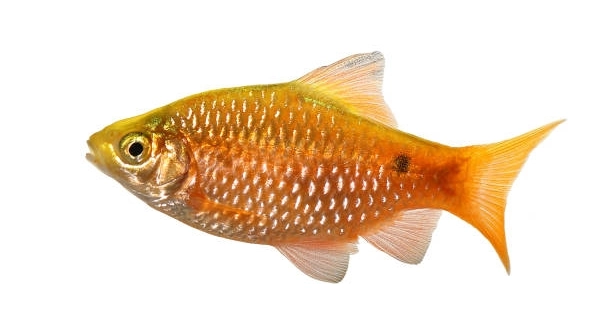
Are your rosy barbs not growing as quickly as you expected, even with regular feeding and tank care? Growth patterns in fish can be surprising, especially when many factors work together to influence them.
Rosy barb growth depends on several key factors, including diet, tank size, water conditions, and overall care. On average, they grow to about 6 inches in length and reach full size within 6 to 12 months when raised in healthy conditions.
Understanding what affects their growth can help you improve their environment and support their development more effectively over time.
Growth Rate Depends on Tank Conditions
Rosy barbs can grow quickly in the right environment. A spacious tank with stable water parameters plays a major role in their development. These fish do best in at least a 30-gallon tank, which allows them to swim freely and reduces stress. Clean water with temperatures between 74–79°F helps support healthy metabolism and growth. Ammonia and nitrite levels should always stay at zero, while nitrates should remain low. A good filtration system and weekly water changes are essential to maintain these conditions. Crowded tanks can stunt growth and lead to aggressive behavior. Rosy barbs are active swimmers, and when space is limited, they may not grow to their full potential. Keep the tank well-aerated and add plants or hiding spots to reduce anxiety. Overall, proper tank setup creates a comfortable home that encourages strong and steady growth over time.
Tank conditions affect their size more than you might expect, even with a proper diet in place.
Fish kept in poor conditions often grow slowly, even when they are fed regularly. That’s because stress, low oxygen, and unstable water parameters can weaken their immune system and metabolism. Growth becomes slower and uneven. Clean water encourages energy and health. When fish are less stressed, their bodies can focus on development instead of survival. Water temperature is also important. If the tank is too cold, it slows down their activity and appetite. On the other hand, high temperatures can speed up metabolism too much and shorten their lifespan. Getting the conditions just right supports steady growth without added risks. Make sure to check water quality often. Small changes can make a big difference. When everything stays balanced, your rosy barbs will have what they need to grow strong and stay active. A stable tank provides the base for healthy growth in every stage of their life.
Diet Plays a Major Role in Growth
Feeding your rosy barbs the right foods regularly helps them grow faster and stay healthy.
They do best with a varied diet. High-quality flakes or pellets should be the main food, but adding frozen or live treats like bloodworms and brine shrimp once or twice a week can really help. These protein-rich foods support muscle growth and keep their colors bright. It’s important not to overfeed. Stick to feeding them small amounts twice a day. Overfeeding can cause water problems and lead to slower growth. Make sure all food is eaten within a couple of minutes. Uneaten food can spoil the water, which creates stress. Vegetables like spinach or peas can also be offered in small amounts. These give extra nutrients and improve digestion. A balanced diet makes a big difference in how fast they grow. With consistent feeding and good variety, your rosy barbs will have the energy they need to grow strong and stay active.
Genetics Influence Final Size
Genetics can affect how big your rosy barbs grow, even if their tank and diet are ideal. Some fish may simply be smaller or larger than others based on their inherited traits from their parents.
Rosy barbs bought from pet stores often come from mixed breeding lines, which can lead to some variation in size and growth speed. Fish bred for color or pattern may not always reach the full 6-inch length that wild types can. If you notice one fish growing slower than the rest, it doesn’t always mean something is wrong—it could be genetic. Consistent care still matters, but genetics set the limits. If your fish seem healthy and active but stay on the smaller side, they may just be naturally smaller. Size can also vary slightly between males and females, with males sometimes being a bit leaner and more streamlined than the rounder females.
Some breeders focus on selecting the fastest-growing or largest individuals to pass down those traits. If you’re interested in raising larger rosy barbs, looking for fish from such lines may help. However, even with strong genetics, poor tank conditions or an imbalanced diet can prevent fish from reaching their full potential. Think of genetics as the blueprint, and your care as the construction plan. One can’t do much without the other. You can’t change a fish’s genes, but you can control the environment it grows in. That’s why even genetically smaller fish can still live healthy, active lives when their basic needs are met. Growth is influenced by what they inherit, but it’s supported by what they experience daily.
Growth Can Slow With Age
Rosy barbs grow quickly in their first few months, but that pace slows down as they reach adulthood. Most of their size is gained in the first 6 to 8 months, then growth becomes much more gradual.
After they hit around 3 to 4 inches, growth slows down as their energy shifts toward maintaining health rather than building size. This is completely normal. Older rosy barbs still need good care, but don’t expect much more growth past the one-year mark. If a fish seems healthy and is eating well but hasn’t grown in a while, it may have simply reached its adult size. Activity levels and appetite may remain strong, even if growth slows. This stage is when their bodies focus more on staying stable and less on changing. Monitoring weight and general appearance is still important, but don’t worry too much if they stop growing past a certain point.
You may also notice that older fish start to fill out more rather than get longer. Their shape may round slightly, especially in females. This is a sign of maturity, not overfeeding. As long as water conditions remain clean and the diet stays balanced, they’ll continue living comfortably. Slower growth doesn’t mean anything is wrong—it just means they’re aging. Younger fish use more energy to grow, while older ones use that energy to maintain organs, fins, and immune function. Make sure you adjust feeding portions and monitor behavior, as older fish may become less active. Proper care throughout their lives can help them age smoothly, even as growth slows down.
Stress Slows Down Growth
Stress from poor water conditions, overcrowding, or aggressive tank mates can slow rosy barb growth. When fish are stressed, they eat less and use more energy to cope with their surroundings, which affects development.
Bright lighting, sudden changes, or too much noise can also stress them. Keep their space calm and consistent.
Temperature Impacts Metabolism
Water temperature affects how fast your rosy barbs grow. Warmer water speeds up metabolism, leading to faster growth—up to a point. If it gets too warm, it can shorten their lifespan. Cooler temperatures slow growth and reduce activity. Aim to keep the tank around 74–79°F for safe, steady development. Use a reliable heater and thermometer to maintain that range. Sudden shifts in temperature should be avoided, as they stress the fish and weaken their immune system. A stable, moderate temperature helps support consistent growth without pushing the fish’s system too hard. Keeping it balanced is better than going too fast.
Growth Varies Between Individuals
Even with the same care, not all rosy barbs grow at the same speed. Differences in appetite, stress levels, and genetics can make one fish grow faster than another in the same tank.
FAQ
How fast do rosy barbs grow?
Rosy barbs grow fairly quickly when kept in the right conditions. Most will reach 2 to 3 inches within the first 3 to 4 months. By the time they are 6 to 8 months old, many are close to their adult size. Full growth usually happens within the first year. Growth slows down once they approach maturity, and after that, most changes are related to weight and body shape rather than length. Good food, clean water, and enough space help them grow steadily.
What is the average size of a full-grown rosy barb?
A healthy adult rosy barb typically grows to about 5 to 6 inches in length. Some may be slightly smaller or larger depending on genetics and care. Males are usually slimmer and a bit shorter, while females may appear rounder and sometimes longer. Fish that grow in cramped or stressful environments may stay smaller. Growth also depends on their diet and how well their tank is maintained. Even if two fish are the same age, one can be much bigger than the other based on those factors.
Why is one rosy barb growing faster than the others?
This happens often in group tanks. One fish may be more dominant and get more food. It might also be less stressed or naturally have a stronger metabolism. Genetics can play a role too. Even with the same care, fish grow at different rates. Some may even have minor health issues that slow growth. If the smaller fish eats well, stays active, and shows no signs of illness, it’s likely just developing at its own pace. Try spreading food more evenly to give all fish a fair chance.
Can rosy barbs grow in a small tank?
They can survive in a small tank, but their growth will likely be slower or stunted. A cramped tank can cause stress and limit swimming space, both of which affect development. Rosy barbs are active fish and need room to swim. A minimum of 30 gallons is recommended for a small group. In a small space, water gets dirty faster, which adds more risk. Clean, spacious environments help fish reach their full size and stay healthy. A small tank may keep them alive, but it won’t help them thrive.
Does feeding more often make them grow faster?
Feeding more often can help with growth, but only when done correctly. Too much food leads to poor water quality, which harms fish more than it helps. Instead of feeding large meals, try giving small amounts twice a day. Choose high-quality food with a good protein content. Adding occasional live or frozen foods can also help. Growth depends on the overall balance between nutrition and water cleanliness. More food is only helpful when it’s part of a well-managed routine. Overfeeding is one of the most common reasons tanks become unhealthy.
What should I do if my rosy barb stops growing?
Check the tank conditions first. Make sure the water temperature is stable, ammonia and nitrite levels are at zero, and nitrate is low. Look at how often you’re feeding and what kind of food you’re giving. If everything seems fine but growth has stopped, the fish might have reached its adult size. This is especially true if it’s already close to 6 inches. As long as the fish is active, eating well, and not showing signs of illness, there’s usually nothing to worry about. Growth slows naturally with age.
Is it possible to tell if a rosy barb is unhealthy by its growth?
Yes, slow or stunted growth can be a sign something is wrong. If one fish is falling behind and seems thin, inactive, or has faded colors, it might be sick or stressed. Uneven growth, bloating, or fin damage can also point to internal problems. Always check water quality first. Poor conditions are often the main cause of health issues. A sudden stop in growth, especially in younger fish, can be a sign of infection or parasites. Isolate sick fish if needed and consider speaking with an aquarium specialist if symptoms don’t improve.
Final Thoughts
Rosy barbs are active, hardy fish that can grow quickly when they live in the right environment. Their growth depends on many factors, including tank size, water quality, temperature, diet, and stress levels. Each of these plays a role in how fast and how large they grow. While most rosy barbs reach their full size within a year, some may take longer, especially if conditions are not ideal. Growth can also vary from fish to fish, even when they live in the same tank and get the same care. Paying attention to these small differences can help you understand what each fish needs to grow well.
Clean water and a balanced diet are two of the most important parts of supporting healthy growth. Even if you provide good food, poor water quality can slow everything down. That’s why regular tank maintenance is so important. Frequent water testing, weekly partial water changes, and a proper filter can make a big difference. When the environment is stable and stress-free, rosy barbs are more likely to stay active and grow at a steady pace. Small details like temperature control, hiding spots, and space to swim also help. Each one adds up to create a better home for your fish.
It’s also important to remember that not all rosy barbs will grow at the same speed. Some may grow faster, while others grow slower or stay smaller. This is normal. Genetics, age, and even personality can affect how quickly a fish grows. As long as your fish are eating, swimming well, and showing no signs of illness, there is usually no need to worry. Growth is just one part of overall health. Watching them move, interact, and respond to their environment is often a better sign of well-being than size alone. Giving your rosy barbs the right care will help them live a healthy life, no matter how fast they grow.

Hello,
If you enjoy the content that we create, please consider saying a "Thank You!" by leaving a tip.
Every little bit helps us continue crafting quality advice that supports the health, happiness, and well-being of pets around the world, for pets of all shapes, sizes, and species.
We really appreciate the kindness and support that you show us!