
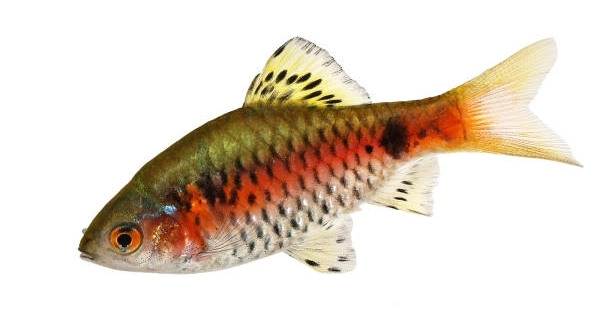
Are your Rosy Barbs always swimming along the edges of your aquarium, making you rethink how their environment is set up?
Rosy Barbs do not need a bubble wall, but they do benefit from good water circulation and proper oxygenation. While bubble walls are not essential, they can enhance oxygen levels and improve the tank’s aesthetic appeal.
Understanding the role of aeration and how it affects your Rosy Barbs can help you decide what’s best for their habitat.
What Bubble Walls Actually Do
Bubble walls are mainly used for aesthetics and to help with water circulation. They release a stream of small bubbles that rise to the surface, creating movement in the water. This motion helps oxygen dissolve into the tank, which is helpful for fish that need well-oxygenated water. However, bubble walls do not directly inject oxygen. The rising bubbles move water around, which allows more surface area to come into contact with air. This is where most oxygen exchange happens. For Rosy Barbs, who are active and hardy fish, a bubble wall can add a visual element and improve the flow of water slightly, but it’s not required for their health. Most standard filters already provide enough water movement and oxygen exchange. If your tank already has a good filter, your Rosy Barbs are likely getting all the oxygen they need, with or without the bubble wall.
Some people add them just for looks or to create gentle surface agitation.
If your fish seem to be gasping at the surface or are unusually sluggish, adding more aeration could help.
What Rosy Barbs Actually Need
Rosy Barbs need a stable tank with clean, well-oxygenated water and plenty of swimming space. A filter that provides gentle to moderate flow is usually enough to keep the water healthy for them. While they tolerate different water conditions, they do best in a tank with regular maintenance and a stable temperature. Live plants and open space allow them to move around freely, reducing stress. If your filter creates enough movement on the surface, there’s usually no need to add a bubble wall. That said, if your tank is overstocked or poorly ventilated, a bubble wall might provide slight support by improving circulation.
A healthy environment matters more than extra features. Instead of focusing on a bubble wall, make sure your water parameters are balanced. Check for ammonia, nitrites, and keep nitrates low. Do regular water changes and avoid overcrowding the tank. These habits will keep your Rosy Barbs active and healthy long-term.
Other Ways to Increase Oxygen Levels
You don’t need a bubble wall to improve oxygen. A filter with strong surface movement usually does the job. Adding live plants, avoiding overfeeding, and keeping the tank clean also help keep oxygen levels where they should be.
Live plants naturally boost oxygen during the day by releasing it through photosynthesis. They also help absorb excess nutrients, keeping the water cleaner. Be sure to choose hardy plant species that thrive in your tank’s lighting and temperature. An overstocked or dirty tank can reduce oxygen levels quickly, especially at night when plants consume oxygen. Routine maintenance like weekly water changes and filter cleaning keeps things balanced. Make sure the filter output is positioned to disturb the surface slightly, encouraging gas exchange. These methods are simple and reliable ways to support your Rosy Barbs’ health without needing extra equipment like a bubble wall.
In warmer tanks, oxygen levels tend to drop faster, especially without surface movement. This is something to watch for if your room temperature stays high. Keeping the tank away from heat sources and using a fan or chiller during hotter months can make a difference. Rosy Barbs can tolerate a range of conditions, but they still rely on oxygen-rich water. A thermometer and test kit help keep things in check.
When a Bubble Wall Might Be Useful
If your tank lacks surface agitation or has a low-flow filter, a bubble wall can help increase movement. It’s a simple way to improve oxygen levels, especially in warmer tanks or those with minimal water circulation.
Bubble walls can also reduce dead spots where water remains still. In larger tanks or setups with lots of décor, water movement may not reach every corner. This can lead to areas with low oxygen and waste buildup. Installing a bubble wall in those spots can help water move more evenly. They’re also quiet and don’t require much space. While not essential, they can add a nice visual touch and support water circulation if needed. Just remember that they are only a small part of a healthy setup. Focus on keeping the tank clean, avoiding overstocking, and using a quality filter. These basics will always have a bigger impact on your Rosy Barbs’ well-being.
Signs Your Rosy Barbs Need More Oxygen
If your Rosy Barbs often hover near the surface or gasp for air, they may not be getting enough oxygen. Reduced activity, clamped fins, or staying in one spot are also signs of poor water quality or low oxygen levels.
Frequent darting or erratic swimming can also indicate discomfort. These signs don’t always mean oxygen is the issue, but they’re worth watching. A quick water test and a check of your filter flow can help pinpoint the problem early before it affects their health.
Choosing the Right Equipment for Your Tank
A good filter is the most important tool for keeping water healthy. Choose one based on your tank size and stock level. Internal and hang-on-back filters usually provide enough flow and oxygen. If you have a larger setup or notice low circulation, a sponge filter or air stone can offer extra support. Avoid using too much equipment that disturbs the surface constantly, as it can stress the fish. Aim for steady but gentle water movement. Pair your filter with weekly maintenance and monitor water temperature, especially during summer. Reliable gear, combined with stable water conditions, creates a safer home for your Rosy Barbs.
Bubble Walls Are Optional
A bubble wall can help, but it isn’t something your Rosy Barbs must have. Focus on balanced water conditions first, and use a bubble wall only if needed.
FAQ
Do Rosy Barbs need a bubble wall to survive?
Rosy Barbs do not require a bubble wall to survive. They need well-oxygenated water, which can usually be provided by a good filter and regular maintenance. A bubble wall might improve water circulation slightly but is not essential for their health.
Can a bubble wall harm my Rosy Barbs?
A bubble wall generally will not harm Rosy Barbs if it produces gentle bubbles and moderate water movement. Too much turbulence, however, can stress them. Make sure the flow is not too strong, as Rosy Barbs prefer calm to moderate currents to swim comfortably.
What are the best alternatives to a bubble wall?
The best alternatives include a good quality filter that agitates the surface of the water to promote oxygen exchange. Adding live plants also helps oxygenate the tank naturally. Regular water changes and avoiding overcrowding are key to maintaining water quality.
How can I tell if my tank has low oxygen?
Signs of low oxygen include fish gasping at the surface, lethargy, clamped fins, or staying near filter outlets. Testing your water for ammonia, nitrites, and nitrates can also reveal if the tank environment is unhealthy, which often coincides with low oxygen levels.
Is surface agitation necessary for Rosy Barbs?
Surface agitation helps oxygen enter the water and removes carbon dioxide. Rosy Barbs benefit from moderate surface movement, but too much can cause stress. If your filter already creates some surface disturbance, additional equipment like a bubble wall is usually unnecessary.
How often should I clean my tank to keep oxygen levels healthy?
Weekly water changes of about 20-30% help maintain oxygen levels and overall water quality. Cleaning the filter as per manufacturer instructions without disrupting beneficial bacteria is also important. Keeping the substrate vacuumed prevents waste buildup that can reduce oxygen.
Will adding more fish increase oxygen needs?
Yes, more fish consume more oxygen. Overcrowding reduces oxygen availability and increases waste, which affects water quality. If your tank is densely stocked, additional aeration or larger filtration may be necessary to keep Rosy Barbs healthy.
Can temperature changes affect oxygen in the tank?
Yes, warmer water holds less oxygen. During hot weather or if the tank temperature rises above the ideal range (around 64-72°F for Rosy Barbs), oxygen levels can drop. Using a fan or cooler, and monitoring temperature helps prevent oxygen-related stress.
Are air stones the same as bubble walls?
Air stones create bubbles by diffusing air from an air pump, similar to bubble walls, but usually produce smaller, finer bubbles. Both help increase water circulation and oxygenation. Air stones can be used in smaller tanks or as supplemental aeration if needed.
Should I leave the bubble wall on all the time?
If you decide to use a bubble wall, running it continuously is fine as long as it doesn’t overly disturb your fish. Consistent water movement supports oxygen levels, but always observe your Rosy Barbs for signs of stress and adjust accordingly.
Can bubble walls help with filtration?
Bubble walls do not filter water but can improve the effectiveness of filters by increasing surface agitation and circulation. They complement filtration systems but cannot replace mechanical or biological filtration necessary for maintaining water quality.
What’s the best way to introduce a bubble wall to the tank?
Introduce the bubble wall slowly, starting with low airflow to avoid shocking your fish. Monitor how your Rosy Barbs react and increase bubbles gradually if they seem comfortable. Placement near tank corners or dead spots maximizes circulation benefits.
Are there any special considerations for tanks without bubble walls?
Without a bubble wall, ensure your filter provides enough surface movement to promote gas exchange. Avoid overcrowding and keep up with water changes. Adding live plants and monitoring temperature also support oxygen levels naturally.
Can bubble walls improve tank aesthetics?
Yes, many keepers like bubble walls for the gentle, decorative effect they add to the tank. They create soft light refractions and movement that can enhance the visual appeal without harming the fish.
What other equipment helps with oxygen besides bubble walls?
Good filters, air pumps with air stones, and surface skimmers all help increase oxygen exchange. Choosing equipment suited for your tank size and stocking level ensures balanced water flow without stressing your Rosy Barbs.
How long does it take for oxygen levels to improve after adding a bubble wall?
Improvements in water circulation and oxygenation are usually immediate once a bubble wall is turned on. However, the overall health effect on fish might take a few hours or days to become noticeable, depending on tank conditions.
Can I use a bubble wall in a planted tank?
Yes, bubble walls are safe in planted tanks but should be placed carefully to avoid disturbing sensitive plants. Too much water movement can damage delicate leaves, so position the bubble wall to promote circulation without strong currents near plants.
Is a bubble wall noisy?
Most bubble walls are very quiet, producing only a soft bubbling sound. Noise levels vary by brand and pump strength, but they generally don’t bother fish or people. Choosing a quality air pump reduces noise further.
Can Rosy Barbs survive in low-oxygen tanks?
Rosy Barbs are hardy but prolonged low oxygen can cause stress, illness, or death. Providing proper aeration and maintaining good water quality prevents these issues. It’s better to prevent oxygen problems than to treat them later.
What should I do if my Rosy Barbs show signs of oxygen stress?
Increase water circulation by adjusting your filter or adding aeration devices. Perform partial water changes to improve quality. Lower tank temperature if possible and reduce feeding to minimize waste buildup until oxygen levels stabilize.
Rosy Barbs are lively and adaptable fish that thrive best in clean, well-maintained tanks with stable conditions. While a bubble wall can add some extra water movement and improve oxygen exchange slightly, it is not a necessity for their survival or well-being. Most standard filtration systems provide enough circulation and oxygen for Rosy Barbs to stay healthy. Focusing on regular maintenance, proper stocking levels, and good water quality will have a much greater impact on their health than simply adding decorative equipment. Keeping these basic needs in check ensures your Rosy Barbs remain active and vibrant.
A bubble wall can offer some benefits in certain situations, such as tanks with poor surface movement or during warmer months when oxygen levels tend to drop. It can also create a pleasant visual effect in the aquarium. However, it should not replace essential tank care practices. Good filtration, regular water changes, and temperature control remain the cornerstones of successful fishkeeping. If you decide to use a bubble wall, monitor how your fish respond to the added flow and adjust accordingly. Some fish prefer calmer waters, so the goal is to maintain a comfortable environment that supports their natural behavior.
In the end, understanding your Rosy Barbs’ needs is the key to a healthy aquarium. Equipment like bubble walls can be helpful but are secondary to proper tank maintenance. Ensuring that water quality, oxygen levels, and space are appropriate will help your fish thrive. Observing your fish’s behavior regularly will alert you if something needs to change. By focusing on these fundamentals, you can create a balanced and supportive habitat for your Rosy Barbs without relying heavily on extras like bubble walls.

Hello,
If you enjoy the content that we create, please consider saying a "Thank You!" by leaving a tip.
Every little bit helps us continue crafting quality advice that supports the health, happiness, and well-being of pets around the world, for pets of all shapes, sizes, and species.
We really appreciate the kindness and support that you show us!