
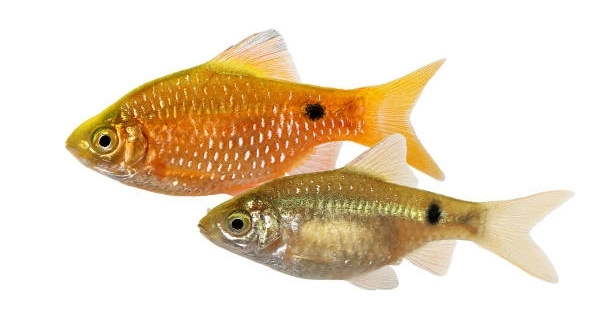
Are your rosy barbs acting stressed or losing their vibrant color despite your best efforts to care for them properly?
Rosy barbs dislike poor tank conditions such as low oxygen, overcrowding, improper temperature, dirty water, and lack of swimming space. These factors directly affect their health, behavior, and lifespan, leading to stress and illness.
Learning what rosy barbs hate will help you create a tank that keeps them happy, active, and thriving in the long run.
Poor Water Quality
Dirty or unbalanced water is one of the biggest stressors for rosy barbs. They are active fish that thrive in clean, stable environments. Ammonia and nitrite spikes can quickly lead to health problems. A lack of regular water changes allows toxins to build up, damaging their gills and immune system. Even high nitrate levels over time can cause chronic stress. Uneaten food and waste only add to the problem. Test your water often and change 25–30% weekly. Use a good filter and clean it regularly. Stable pH between 6.5 and 7.5 is ideal. Don’t forget to dechlorinate tap water.
Bad water conditions often make rosy barbs sluggish, pale, or prone to illness. You may also notice them gasping at the surface.
When water quality drops, rosy barbs suffer almost immediately. Their natural behavior—like schooling, exploring, and quick swimming—can stop. Long-term exposure to poor water not only shortens their lifespan but also makes them more vulnerable to parasites and infections. A good rule is to treat water maintenance as routine, not just a fix. Avoid overfeeding, which adds waste and spikes ammonia. A reliable test kit can alert you before the fish show signs of stress. Keeping the tank clean helps them stay active and colorful every day.
Overcrowding
Too many fish in a tank leaves rosy barbs feeling stressed and aggressive. They need room to swim and establish space.
Rosy barbs are active swimmers and prefer a horizontal tank layout where they can school freely. When overcrowded, they compete for food, become territorial, and start nipping at each other’s fins. Even peaceful fish may show aggression if packed too tightly. A 30-gallon tank is ideal for a small group, allowing each fish to move comfortably. As a rule, aim for one rosy barb per 5 gallons. Adding other species also requires planning. Overcrowding reduces oxygen and adds more waste, making water harder to manage. Limit tank mates and avoid overstocking, especially if you’re new to keeping barbs. Watching your fish push or chase each other too often is a sign to cut back. Give them space, and they’ll reward you with their natural energy and bold colors.
Inadequate Oxygen Levels
Low oxygen levels make rosy barbs breathe heavily and swim near the surface. This condition can happen in tanks with poor circulation, high temperatures, or too many fish. Rosy barbs need well-oxygenated water to stay active and healthy.
Warm water holds less oxygen, which can be a problem if your tank is kept above 78°F. Combine that with limited surface movement, and oxygen drops quickly. Always use an air stone or sponge filter to improve circulation. A proper filter with surface agitation also helps a lot. Live plants can support oxygen during the day, but at night they consume it. Avoid crowding the tank, as more fish use more oxygen. If your barbs are breathing hard or staying near the top, act fast. Add a bubbler or lower the water temperature gradually to increase oxygen. Good oxygen levels keep your barbs swimming comfortably throughout the day.
Poor oxygen impacts more than just breathing—it slows digestion, increases stress, and makes fish more likely to get sick. Even if your water looks clean, oxygen might still be too low. Watch for subtle signs like reduced movement or clamped fins. Rosy barbs are energetic swimmers, so any change in behavior can signal a problem. Keep up with weekly maintenance, especially if your tank is heavily stocked. Warmer months can be tougher on oxygen levels, so make sure your tank isn’t sitting near a sunny window. With consistent care, your barbs will stay active, colorful, and healthy.
Improper Temperature
Rosy barbs are hardy but still react badly to sudden changes or extremes in temperature. Water that is too warm or too cold can shock their system and cause long-term health issues. Keep the tank between 72°F and 78°F consistently.
Fluctuating temperatures weaken rosy barbs’ immune systems and make them vulnerable to parasites and bacteria. A reliable aquarium heater and thermometer are essential for keeping the water stable, especially during seasonal changes. Avoid placing the tank near windows or vents, as outdoor weather can cause sudden temperature drops or spikes. Cold water makes them lethargic, while warmer water speeds up metabolism and shortens their lifespan. If you notice unusual behavior—like shivering, clamped fins, or hiding—it may be due to temperature stress. Always acclimate new fish slowly to avoid shock. Maintaining stable temperatures is one of the simplest ways to keep your barbs strong, colorful, and disease-free year-round.
Lack of Swimming Space
Rosy barbs love to swim in open areas, and when space is limited, they become anxious and aggressive. A cramped tank restricts their movement and makes it hard for them to form schools, which is part of their natural behavior.
Without enough room, rosy barbs often chase one another or hide more than usual. Their energy gets bottled up, which can lead to stress and fin nipping. Long tanks give them the space they need to swim freely and reduce conflicts in the group.
Incompatible Tank Mates
Rosy barbs are semi-aggressive and quick swimmers, so they don’t mix well with slow, long-finned, or overly shy fish. Housing them with inappropriate species can lead to stress, fin damage, and constant chasing. Ideal companions are other fast, similarly-sized fish that can keep up with their energy. Choose peaceful schooling fish like danios or larger tetras. Avoid pairing them with bettas, guppies, or angelfish. Even if aggression isn’t immediate, long-term tension between incompatible species can affect health and behavior. Keep your barbs in a group of at least five to reduce aggression and create a natural social structure in the tank.
Too Much Light
Bright lighting all day makes rosy barbs skittish and uncomfortable. They do best with moderate lighting and places to retreat, like plants or decorations. Overexposure can cause stress and disrupt their daily rhythm.
FAQ
How often should I change the water for rosy barbs?
Regular water changes are essential for keeping your rosy barbs healthy. Aim to change about 25–30% of the tank water once a week. This helps remove waste, excess nutrients, and toxins that build up over time. Using a siphon during water changes also cleans the substrate of uneaten food and debris.
What is the best temperature range for rosy barbs?
Rosy barbs thrive in temperatures between 72°F and 78°F. Keeping the tank within this range ensures their metabolism stays steady and their immune systems stay strong. Avoid sudden temperature changes, as these can stress the fish and lead to illness.
Can rosy barbs live with other fish?
Yes, but choosing compatible tank mates is important. Rosy barbs are semi-aggressive and active, so they do best with other fast, similarly sized fish. Good companions include danios, larger tetras, and some livebearers. Avoid slow or long-finned fish like bettas or guppies, which can become targets for fin nipping.
How many rosy barbs should I keep together?
Rosy barbs are schooling fish and should be kept in groups of at least five. Smaller groups can lead to stress and increased aggression as they lack social structure. A larger group also spreads out any fin-nipping behavior, reducing the risk for individual fish.
What causes fin nipping in rosy barbs?
Fin nipping often occurs due to stress from overcrowding, poor water quality, or lack of swimming space. It can also happen when tank mates are incompatible or the fish are bored. Providing enough space, clean water, and suitable companions helps reduce fin nipping.
How do I maintain good water quality in my tank?
Testing the water regularly for ammonia, nitrites, nitrates, and pH is key. Use a reliable test kit and perform weekly water changes. Avoid overfeeding, as leftover food increases waste and toxin levels. A good filter will help keep water clean and oxygenated.
Can rosy barbs tolerate cold water?
Rosy barbs prefer moderate temperatures and do not tolerate cold water well. Temperatures below 65°F can cause stress and reduce their immune response. If you live in a cooler climate, use a heater to maintain stable, warm water.
What should I feed rosy barbs?
Rosy barbs enjoy a varied diet including high-quality flakes, pellets, and frozen or live foods like brine shrimp and bloodworms. A balanced diet supports their vibrant color and overall health. Feed small amounts 2–3 times daily and avoid overfeeding.
How do I know if my rosy barbs are stressed?
Signs of stress include faded colors, hiding, erratic swimming, loss of appetite, and clamped fins. Poor water quality, improper tank mates, or wrong temperature are often causes. Regular maintenance and monitoring behavior helps catch problems early.
What tank size is best for rosy barbs?
A minimum of 30 gallons is recommended for a small school of rosy barbs. This size offers enough swimming room and space to reduce aggression. Larger tanks are better for mixed species or bigger groups to maintain balance and water quality.
Rosy barbs are beautiful, lively fish that bring color and activity to any aquarium. However, they are sensitive to certain tank conditions that can cause them stress or illness. Understanding these factors is important to provide a healthy environment. Poor water quality, overcrowding, and low oxygen are common problems that affect their well-being. Keeping the water clean, maintaining proper temperature, and ensuring enough space can help your rosy barbs thrive. Regular care and attention prevent many health issues before they start, supporting your fish’s natural behavior and bright colors.
Another key point is the importance of compatible tank mates and adequate swimming space. Rosy barbs are active swimmers and semi-aggressive by nature. When kept with the right companions and in a tank that gives them room to move, they stay less stressed and more vibrant. Avoiding overcrowding and pairing them with slower or delicate fish helps reduce aggression and fin nipping. Lighting also plays a role—too bright or constant light can make them uncomfortable. A balanced setup with moderate lighting and places to hide improves their comfort and reduces stress.
Overall, caring for rosy barbs means paying attention to several factors that might seem small but have big effects on their health. Consistent water testing, routine maintenance, and observing your fish daily allow you to notice changes early. Addressing problems like temperature shifts or poor water quality quickly keeps your fish healthy. The goal is to create a stable environment that matches their natural needs. With proper care, rosy barbs live longer, act naturally, and display the beautiful colors that make them a popular choice for aquariums.

Hello,
If you enjoy the content that we create, please consider saying a "Thank You!" by leaving a tip.
Every little bit helps us continue crafting quality advice that supports the health, happiness, and well-being of pets around the world, for pets of all shapes, sizes, and species.
We really appreciate the kindness and support that you show us!