
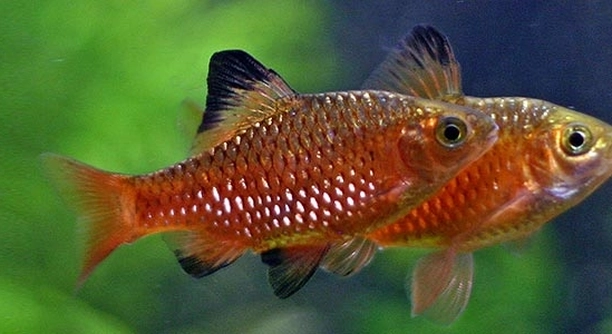
Do your Rosy Barbs suddenly become more playful and energetic after a water change, leaving you both surprised and curious about the shift?
Rosy Barbs often become more active after water changes due to the introduction of cleaner, oxygen-rich water and improved environmental conditions. These changes stimulate natural behaviors, including increased swimming and social interaction among the fish.
Cleaner water can make a big difference in their mood and energy, and understanding why can help you support their well-being.
What Triggers the Boost in Activity
After a water change, Rosy Barbs react quickly to the improved environment. The fresh water often has higher oxygen levels, fewer toxins, and a slight shift in temperature. These factors create a more stimulating and healthier habitat. Fish are very sensitive to water quality, and when it improves, they feel more comfortable and become more playful. The change can mimic natural rainfall in the wild, which usually signals better conditions and sometimes even breeding opportunities. Rosy Barbs are particularly responsive to these subtle cues. They begin swimming more actively, interacting with other fish, and exploring the tank with renewed interest. For them, this shift isn’t just about clean water—it’s about feeling safer and more energized. You might notice them darting through plants, chasing each other, or foraging more than usual. These behaviors are all signs that your fish are benefiting from the change and thriving in their environment.
Fish tend to display more social and playful behaviors right after a water change, especially if conditions in the tank were less than ideal before.
Keep an eye on their activity, as this can also be a good sign that your water change routine is working well for their overall health.
Why Water Quality Matters
Clean water isn’t just about appearance—it plays a big part in your fish’s behavior and overall energy levels.
High-quality water reduces stress and allows fish to thrive. Ammonia, nitrite, and excess waste can dull their colors, slow movement, and lower immunity. By removing a portion of the tank water and replacing it with treated, fresh water, you’re helping to restore a safe and stable environment. Rosy Barbs, like many tropical fish, need balanced pH, stable temperature, and adequate oxygen to stay active and healthy. If water conditions are poor, fish tend to become sluggish, hide more often, or show signs of discomfort. After a water change, the increase in oxygen and clarity helps them feel better almost immediately. A well-maintained tank supports stronger immune systems and reduces the risk of illness. Water changes also encourage natural instincts like exploring and breeding. These behaviors don’t happen by chance—they reflect how much their surroundings affect them. Consistent water care gives Rosy Barbs what they need to stay vibrant and energetic.
How Temperature and Oxygen Levels Play a Role
A slight drop in temperature during a water change can mimic rainfall, which often encourages activity in tropical fish like Rosy Barbs. At the same time, oxygen levels rise, supporting more energetic movement.
Cooler water signals a shift in the environment, which can trigger natural instincts in Rosy Barbs. In the wild, rain signals improved conditions for feeding and breeding. The sudden boost in oxygen from the fresh water also helps their metabolism function more efficiently. This combination makes them more alert and active. You might see them schooling together or swimming rapidly around the tank. This isn’t just excitement—it’s their way of responding to better living conditions. They’re sensing that it’s time to be social, explore, and even possibly prepare for spawning. These behaviors are healthy and show that your fish are responding well to your care and the quality of the water provided.
Higher oxygen levels benefit fish by helping their cells function properly. When oxygen rises, they can breathe more easily and feel less stressed. This often leads to brighter colors and livelier swimming. For Rosy Barbs, that means more activity and a boost in social interaction. Water movement from new water can also increase oxygen, further encouraging active behavior.
Environmental Signals and Natural Instincts
Changes in water composition act as environmental cues that Rosy Barbs respond to. Slight shifts in temperature, pH, and clarity mimic changes in their natural habitat. These signals can stimulate breeding instincts, movement, and playful interactions between fish.
In nature, rainstorms often indicate improved environmental conditions—cooler temperatures, cleaner water, and more food. When you change the water in the tank, you’re creating a similar situation. For Rosy Barbs, this sends a message that it’s safe to come out, interact, and even search for a mate. These behaviors are deeply instinctive. The fish feel energized, secure, and ready to engage more with their surroundings. Even if you don’t plan to breed them, you’ll still notice them becoming more playful and social. They may chase each other gently, hover near one another, or display small flicks and flares of their fins. These actions aren’t random—they’re a direct response to the improved water quality and conditions that mimic what they would encounter in the wild.
Why Consistency Still Matters
While Rosy Barbs enjoy the boost from fresh water, too many changes can also stress them. Stick to regular schedules and avoid drastic shifts in temperature or chemistry. Stable routines help keep their energy levels balanced and their health steady.
Sudden changes can cause confusion or discomfort. Even though activity rises after a water change, doing it too often or altering too much at once may disrupt their comfort zone. Keep conditions predictable so their behavior stays consistent and natural.
What to Watch for During and After Changes
After a water change, observe their behavior closely. Increased swimming, brighter colors, and more interaction are good signs. If you notice gasping, hiding, or fading color, double-check your water parameters. Always treat new water properly before adding it to the tank.
Small Changes, Big Results
Rosy Barbs don’t need drastic adjustments to stay happy—just clean water, steady care, and attention to small details that keep them thriving.
FAQ
Do Rosy Barbs always become more active after a water change?
Not always, but it’s very common. If the water change improves their environment—like raising oxygen levels or lowering waste—they tend to respond with more movement and social behavior. If your fish don’t show increased activity, it might be that conditions were already stable, or the change was too minor to trigger a noticeable response.
How often should I change the water in a Rosy Barb tank?
A partial water change once a week works well for most tanks. Replacing 20–30% of the water helps keep conditions healthy without shocking the fish. If your tank is heavily stocked or you notice waste building up faster, a mid-week 10–15% top-up can be helpful. Always monitor your water quality and adjust based on your tank’s needs.
Is it okay if they swim wildly after a water change?
Yes, it’s often a positive reaction. The sudden boost in clean water and oxygen can energize them. This behavior should look playful and smooth, not frantic or stressed. If they crash into things or breathe heavily at the surface, that’s a sign something may be off—like improper water temperature or chlorine not fully removed.
Can water changes trigger breeding behavior?
Yes. A water change can mimic rainfall, which is a natural breeding cue for Rosy Barbs. Slightly cooler, clean water may prompt chasing, displaying, and even egg-laying behaviors. If you see males showing off their colors or nudging females, they might be preparing to spawn. This is normal and healthy behavior when conditions are right.
Why do Rosy Barbs sometimes hide after a water change?
If they’re hiding, it could be from stress. Maybe the new water was too cold, added too quickly, or wasn’t treated properly. Check the temperature, pH, and chlorine levels. Try making smaller, more frequent water changes in the future to avoid shocking them. Most will adjust and become active again once they feel safe.
Should I vacuum the gravel during water changes?
Yes, especially if there’s a lot of waste or uneaten food. Rosy Barbs are active feeders, and debris can build up fast. Use a gravel vacuum to remove gunk from the bottom while you’re siphoning out water. This helps improve water clarity, reduce toxins, and keep the tank smelling fresh.
How long does it take for them to react to a water change?
Usually within minutes. Rosy Barbs tend to respond quickly to improved conditions. You might see more schooling, brighter colors, or curious exploring almost right away. If they stay inactive, it could mean the new water wasn’t much different, or they’re still adjusting to the change.
Can I use cold tap water during changes?
It’s best to match the tank’s temperature as closely as possible. Even a few degrees cooler can be enough to trigger activity, but too cold can shock them. Let tap water sit in a bucket with a heater and conditioner for a few hours before adding it to the tank.
What water parameters do Rosy Barbs prefer?
They like a pH between 6.5 and 7.5 and temperatures between 72°F and 78°F. Keep ammonia and nitrite at 0, and nitrates under 40 ppm. These conditions help them stay active, colorful, and social. Stability is more important than chasing perfect numbers—just aim for consistency in your care.
Why is my Rosy Barb still inactive even after a water change?
If activity doesn’t increase, look at other factors. Maybe the tank is overcrowded, or the lighting is too dim. Health issues, like internal parasites or infections, could also be affecting them. Make sure you’re feeding a balanced diet and offering enough space to swim freely. Water changes help, but they’re just one part of good care.
Final Thoughts
Water changes may seem like a simple part of aquarium care, but they have a strong effect on how Rosy Barbs behave. Clean water gives them the comfort they need to feel safe, active, and social. A fresh environment with the right temperature, stable pH, and better oxygen levels encourages them to move more, show brighter colors, and interact with other fish. These signs show that your fish are healthy and enjoying their space. Even a slight change in water temperature can remind them of natural changes in their wild habitat, which often sparks natural activity.
Keeping a regular water change routine helps avoid stress and supports long-term health. Rosy Barbs are hardy fish, but they still need good care and attention. Sudden or large changes in water conditions can sometimes do more harm than good. That’s why it’s best to stick to small, consistent water changes. Make sure to treat new water before adding it and check that the temperature is close to what they’re used to. Taking these steps helps you avoid stress-related behaviors, like hiding or loss of color, and lets you enjoy watching your fish at their best.
Even though increased activity after a water change is common, each fish may react a little differently. Pay attention to their behavior and learn what’s normal for your tank. A calm and steady environment helps Rosy Barbs thrive. Keeping water clean and stable supports their energy, boosts their immune system, and brings out their natural behaviors. Over time, you’ll notice patterns in how they respond and feel more confident in your care routine. In the end, healthy water leads to healthy fish—and seeing them active and playful is one of the most rewarding parts of keeping them.

Hello,
If you enjoy the content that we create, please consider saying a "Thank You!" by leaving a tip.
Every little bit helps us continue crafting quality advice that supports the health, happiness, and well-being of pets around the world, for pets of all shapes, sizes, and species.
We really appreciate the kindness and support that you show us!