
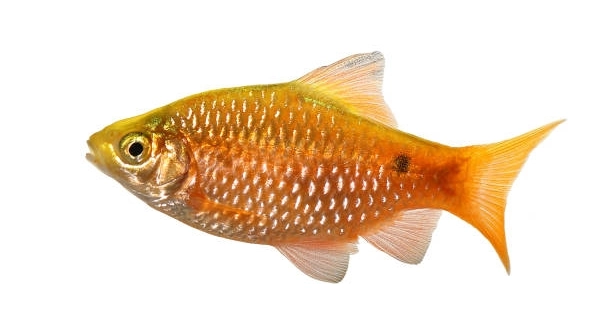
Do your rosy barbs often seem sluggish or uninterested in their surroundings, leaving you worried about their overall health and mood?
The most effective way to make rosy barbs more active is by improving their tank environment, maintaining optimal water conditions, and offering a varied diet. These changes can significantly boost their energy levels and natural behaviors.
Small adjustments to their setup can go a long way in supporting their activity, keeping them healthy, and making your tank more lively.
Give Them More Room to Swim
Rosy barbs are active fish that need space to thrive. If their tank is too small, they often become sluggish or stressed. A 30-gallon tank is a good starting point for a small group. These fish enjoy darting around and exploring, and a cramped tank will limit their movement. Open swimming space encourages them to stay active, especially when paired with gentle water flow. Decorations should be arranged along the sides or corners to leave the middle open. Also, avoid overcrowding the tank with too many fish, as this can lead to territorial behavior and reduce activity levels.
When they have more space to swim freely, their energy levels improve, and they interact more with their surroundings and tankmates.
Choose a long tank over a tall one. It gives rosy barbs more horizontal swimming space, which suits their natural behavior. You’ll notice them exploring more often and with greater energy.
Keep the Water Clean and Stable
Poor water quality can make rosy barbs sluggish and stressed.
Rosy barbs are hardy, but they still need stable and clean water to stay active. Ammonia and nitrite should always be at zero, while nitrate should stay below 20 ppm. Weekly water changes of 25–30% help maintain good conditions. A quality filter that provides a gentle current will encourage swimming and keep the water oxygenated. Make sure the tank is fully cycled before adding them. Fluctuations in temperature or pH can cause them to hide or become less active, so keep the temperature steady between 72–78°F and the pH between 6.5–7.5. Test your water regularly with a reliable test kit. Avoid overfeeding, as leftover food breaks down and affects water quality. A clean, stable environment allows rosy barbs to show their natural behaviors, stay healthy, and move around more often without stress slowing them down.
Feed a Varied and Balanced Diet
Feeding the same food every day can make rosy barbs lose interest. Mixing things up gives them energy and keeps them active. Try to offer high-quality flakes, frozen foods, and live treats like daphnia or brine shrimp.
A varied diet helps support their immune system and encourages natural behaviors like chasing and hunting. Frozen or live foods should be given a few times a week for stimulation. Flake or pellet food is fine for daily feeding, but try not to rely on just one type. Include plant-based options as well, since rosy barbs are omnivores and benefit from some greens. Blanched spinach or spirulina flakes work well. Be careful not to overfeed, as extra food will dirty the tank and make them sluggish. Watching them eat with excitement is a good sign they’re healthy and enjoying their meals.
Rotating their food can also prevent boredom. Rosy barbs are more likely to swim around and explore when they know feeding time might bring something new. It doesn’t have to be complicated—just switch up the type or texture of their food now and then. Even something as simple as changing the order of meals during the week can keep them more interested and alert.
Add Compatible Tank Mates
Rosy barbs are social fish and feel more confident when they have other fish around them. Keeping at least six of their own kind in a group helps them stay active and reduces stress. They do best in peaceful community tanks.
Good tank mates for rosy barbs include other quick, peaceful fish like danios, platies, or larger tetras. Avoid slow-moving or long-finned fish, as rosy barbs may nip them out of curiosity. A lively tank helps keep their energy up. With the right companions, rosy barbs tend to swim more, chase each other playfully, and stay out in the open. Watching other fish move around can also encourage shy barbs to join in. Make sure the tank is large enough to support multiple species and always monitor their behavior at first. If a fish seems stressed or bullied, adjustments may be needed. Keeping an active community can help rosy barbs stay bright and engaged.
Rearrange Their Tank Sometimes
Changing the layout of the tank once in a while can spark new interest in rosy barbs. Moving plants, rocks, or driftwood gives them new areas to explore, which helps keep them active and curious.
Even small changes make a difference. It doesn’t need to be a full rearrangement—just shifting decorations slightly can encourage them to swim around more and check things out.
Keep a Consistent Light Cycle
Rosy barbs stay more active with a regular day-night rhythm. Use a timer to give them around 8–10 hours of light daily. A steady light schedule helps their body clock and keeps their energy levels balanced.
Avoid Sudden Noises or Movements
Loud noises or fast movements around the tank can scare rosy barbs and make them hide. A calm environment helps them feel safe enough to stay active and visible.
FAQ
How many rosy barbs should be kept together?
Rosy barbs are schooling fish, so they do best in groups. The ideal number is six or more. When kept in smaller numbers, they may become shy or aggressive. In a group, they feel safer and behave more naturally. You’ll notice more swimming, social interaction, and color when they’re comfortable with their group. Always make sure the tank is large enough to support a group of that size. A 30-gallon tank works well for six rosy barbs, giving them room to swim freely without feeling crowded. The more space they have, the better they’ll act.
Do rosy barbs get aggressive?
Rosy barbs are generally peaceful, but they can show mild aggression if they’re kept alone or in too small a group. Fin nipping may happen, especially if they’re around slow-moving or long-finned fish. To reduce this behavior, keep them in a school and avoid mixing them with fish like bettas or angelfish. Most of the time, rosy barbs are energetic but not harmful. Giving them enough room and the right tank mates usually prevents aggressive behavior. If they seem overly active or stressed, it could also be a sign that the environment needs adjusting.
What temperature do rosy barbs need?
Rosy barbs prefer temperatures between 72–78°F. Try to keep the temperature steady, as sudden changes can make them sluggish or hide more often. Using a reliable aquarium heater and thermometer will help maintain consistent warmth. These fish are adaptable but still sensitive to big shifts in temperature. A stable tank leads to better activity and overall health. It’s also a good idea to check the temperature daily, especially during season changes. When their environment feels stable, rosy barbs show more natural behavior and stay more alert and active.
Do rosy barbs need a filter?
Yes, a filter is important for rosy barbs. It helps keep the water clean and provides a gentle current that encourages swimming. Rosy barbs enjoy moving water, and the flow from the filter can motivate them to stay active. A good filter also removes waste, keeping ammonia and nitrite levels low. Make sure the current isn’t too strong, though, especially in smaller tanks. Most sponge or hang-on-back filters work well for their needs. Clean the filter regularly to keep it running smoothly. Without proper filtration, water quality drops and the fish may become less active or stressed.
Can I keep plants with rosy barbs?
Yes, live plants are a great choice for rosy barb tanks. They enjoy having places to swim through and rest around. Plants like java fern, hornwort, and anubias are sturdy and won’t get damaged easily. Rosy barbs might nibble on softer plants, so avoid delicate ones. Plants also help improve water quality by absorbing extra nutrients and offering shade. A well-planted tank can reduce stress and encourage natural behavior. Just be sure to leave open areas for swimming. With the right balance of plants and space, your tank will look better, and your fish will stay more active.
What lights are best for rosy barbs?
Standard aquarium LED lights work well for rosy barbs. They don’t need anything too fancy, but a regular light cycle is important. Choose lights that are bright enough to show off their colors but not so strong that they cause stress or overheating. Soft white or daylight-spectrum LEDs are ideal. Keep the lights on for 8–10 hours a day, using a timer to help maintain a consistent schedule. Avoid leaving lights on too long, as that can stress the fish and lead to algae growth. A steady routine helps regulate their energy and behavior.
Why are my rosy barbs hiding all the time?
If your rosy barbs are hiding often, it’s usually due to stress. This can come from poor water conditions, sudden movements, low numbers in the group, or aggressive tank mates. Start by checking the water parameters and make sure everything is stable. Then, look at how many rosy barbs you have—less than six can cause them to feel unsafe. Also, look for signs of bullying from other fish. If needed, adjust the layout of the tank to include more hiding spots, while still leaving open space for swimming. Once the stress is gone, they’ll likely become more active again.
Final Thoughts
Rosy barbs are lively, colorful fish that can bring a lot of movement to your aquarium. But like many fish, they need the right care to stay active and healthy. A spacious tank, clean water, and the right temperature all play a big role in how they behave. When their environment is stable and comfortable, they’re more likely to swim, explore, and interact with other fish. Small changes in their care can have a big impact. Whether it’s giving them more room, offering a varied diet, or simply keeping a regular light cycle, each step helps them feel better and stay more energetic.
Feeding is also important. Just giving the same flakes every day won’t be enough. Rosy barbs are more alert and excited when they get different types of food, like frozen treats or veggies. Watching them react to new meals can also help you see how active and healthy they are. They also do well with the right tank mates. Being around peaceful, quick-swimming fish keeps things interesting for them. Having a small group of their own kind gives them a sense of comfort. When they feel safe and stimulated, rosy barbs are much more likely to stay active and show off their best colors.
It’s normal for activity levels to change a little from time to time. But if your rosy barbs are constantly hiding, not swimming much, or staying at the bottom of the tank, it usually means something is off. It could be the water, the setup, or even stress from the fish around them. Paying attention to how they act and doing small check-ins on their care routine can help fix these problems early. In the end, making rosy barbs more active doesn’t require anything fancy. It just takes consistency, attention, and a few thoughtful choices to keep them happy. With the right setup, they will stay lively, healthy, and a joy to watch.

Hello,
If you enjoy the content that we create, please consider saying a "Thank You!" by leaving a tip.
Every little bit helps us continue crafting quality advice that supports the health, happiness, and well-being of pets around the world, for pets of all shapes, sizes, and species.
We really appreciate the kindness and support that you show us!