
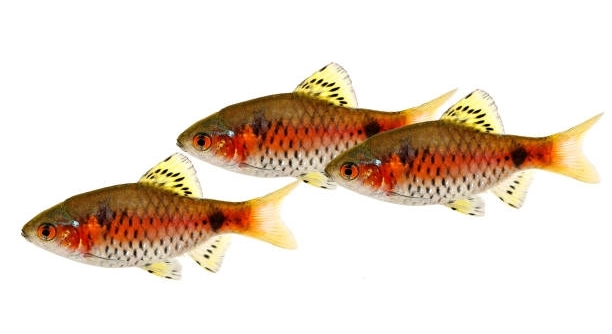
Rosy barbs are popular freshwater fish often kept in home aquariums. Many fishkeepers want to understand their behavior, especially during breeding. One common concern is whether these fish eat their own eggs after spawning.
Rosy barbs may eat their own eggs under certain conditions, especially if they are stressed or if the eggs are unattended. This behavior is common in many fish species and is linked to survival instincts and environmental factors.
Knowing this behavior helps aquarists manage breeding environments better. Understanding egg-eating tendencies can improve the chances of raising healthy rosy barb fry.
Why Do Rosy Barbs Eat Their Own Eggs?
Rosy barbs sometimes eat their own eggs because of instinct and environmental stress. In the wild, fish may consume eggs that are damaged or unlikely to survive, helping to keep the area clean and reduce the risk of disease. In home aquariums, if eggs are left exposed or if the tank conditions are not ideal, rosy barbs might eat their eggs as well. This behavior can also occur if the fish feel threatened or stressed by overcrowding, poor water quality, or sudden changes in their environment. Providing plenty of hiding spaces and a calm environment reduces this risk. Some fish may also eat eggs if they mistake them for food or if they are hungry. To improve egg survival, breeders often separate adults from eggs shortly after spawning.
Creating a safe space with stable water conditions can help lower egg-eating behavior in rosy barbs.
Managing these conditions effectively encourages healthier breeding outcomes and higher fry survival rates.
How to Protect Rosy Barb Eggs
Separating eggs from adult fish after spawning is one of the most effective ways to protect them. Using a breeding box or moving the eggs to a different tank can prevent adults from eating them. It’s also important to keep water clean and stable, with a temperature between 72°F and 78°F (22°C–26°C), which supports healthy development. Adding fine-leaved plants or spawning mops gives eggs places to attach and hide, increasing their chance of survival. Regular feeding of adults before and after spawning reduces the chance they will eat the eggs due to hunger. Monitoring the tank carefully in the days after spawning is essential, as eggs are vulnerable until they hatch.
Providing a calm and well-maintained environment improves the chances of rosy barb eggs reaching maturity.
Common Signs of Egg-Eating Behavior
Egg-eating behavior is often noticed when eggs suddenly disappear from the spawning site. Adult rosy barbs may be seen picking at the substrate or plants where eggs were laid. Increased activity near the eggs or aggressive chasing can also signal this behavior.
When adults start eating eggs, it can be due to hunger or stress. You might observe them darting quickly toward the eggs and swallowing them. Sometimes, only parts of the eggs remain, like shells or fragments. This usually happens within hours or a day after spawning, making it important to watch fish closely during this time.
Some fish may also disturb the eggs without eating them, which can damage the eggs and reduce hatching success. It is helpful to separate eggs or provide dense cover to protect them from being disturbed or eaten by the parents.
Feeding Tips to Reduce Egg Eating
Feeding adult rosy barbs well before and after spawning helps reduce the chance they will eat their eggs. Offering high-quality, protein-rich foods like live or frozen bloodworms, brine shrimp, or high-grade flakes can keep them full and satisfied. Feeding small amounts multiple times a day is better than one large feeding.
Ensuring a varied diet strengthens the fish’s overall health and reduces stress-related behaviors like egg eating. Avoid overfeeding, which can harm water quality and increase stress. Proper feeding supports the adults’ energy needs during breeding, making them less likely to view eggs as food.
Healthy adults that feel secure and well-fed tend to care less about their eggs as a food source, improving fry survival rates significantly.
Environmental Factors Affecting Egg Survival
Water quality plays a big role in whether rosy barb eggs survive. Poor water conditions can stress the adults and encourage egg-eating behavior.
Temperature fluctuations also impact egg development. Keeping a stable, warm environment helps the eggs grow and lowers risks of loss.
The Role of Tank Setup
A well-planned tank setup reduces egg predation. Dense plants or spawning mops give eggs places to hide, making them less visible to adults. Avoid overcrowding, as too many fish cause stress, increasing egg-eating chances. Providing plenty of hiding spots for fry after hatching supports their survival.
Timing of Egg-Eating
Egg eating most often occurs within the first 24 hours after spawning. This is when eggs are easiest to find and most vulnerable. Keeping a close watch during this time helps manage the situation and improve survival chances.
FAQ
Do rosy barbs always eat their eggs?
No, rosy barbs do not always eat their eggs. While it is a common behavior, especially in stressful conditions, many adults leave their eggs alone if the environment is calm and suitable. Proper tank setup and care can reduce this behavior significantly.
Why do rosy barbs eat their own eggs?
Rosy barbs may eat their eggs for several reasons, including hunger, stress, or instinct. In nature, fish sometimes eat eggs that seem unlikely to survive to reduce waste and prevent attracting predators. In an aquarium, this instinct can be triggered by poor water quality or overcrowding.
Can I prevent rosy barbs from eating their eggs?
Yes, separating eggs from adults after spawning is the most reliable way to prevent egg-eating. Using a breeding box or transferring eggs to a different tank protects them. Also, maintaining good water conditions and feeding adults well helps lower the risk.
How long do rosy barb eggs take to hatch?
Rosy barb eggs usually hatch within 24 to 36 hours after being laid, depending on water temperature. Warmer water speeds up development, while cooler water slows it down. During this time, eggs need stable conditions to develop properly.
What should I feed adult rosy barbs during breeding?
Feed adult rosy barbs a varied diet rich in protein during breeding. Options include live or frozen foods like bloodworms, brine shrimp, and quality flakes. Feeding small amounts several times a day helps keep them full and reduces egg-eating caused by hunger.
How many eggs does a rosy barb lay?
A female rosy barb can lay hundreds of eggs in one spawning session. The eggs are small and sticky, usually attaching to plants or tank surfaces. Because many eggs are laid, some loss is expected without intervention.
Is it normal for some eggs to be infertile or not hatch?
Yes, it’s common for some eggs to be infertile or fail to hatch. Factors like poor water quality, improper temperature, or damage to eggs can cause this. Removing unfertilized or fungus-infected eggs helps keep the tank clean and protects healthy eggs.
Can other fish in the tank eat rosy barb eggs?
Yes, other fish may eat rosy barb eggs if they have access to them. Many species view eggs as a food source. To improve survival, keep adults and other potential egg-eaters separated from the eggs during the early stages.
Should I remove adult rosy barbs after spawning?
Removing adult rosy barbs after spawning is recommended to protect eggs. Adults can accidentally or intentionally eat the eggs. Separating them until the fry hatch and become free-swimming increases the chances of successful breeding.
What are the signs that eggs are fertilized?
Fertilized rosy barb eggs appear clear with a small dark spot inside. Infertile eggs often turn white or cloudy and may develop fungus. Fertilized eggs are sticky and attach to surfaces, while infertile eggs do not develop properly.
How do I care for rosy barb fry after hatching?
Once rosy barb fry hatch, feed them tiny foods like infusoria, liquid fry food, or freshly hatched brine shrimp. Keep water clean and stable, and provide gentle filtration to avoid harming the fry. Fry grow quickly with proper care.
Can temperature changes cause adults to eat eggs?
Yes, sudden temperature changes can stress adults and increase the chance they will eat their eggs. Maintaining a steady temperature between 72°F and 78°F helps keep fish calm and supports healthy egg development.
How often should I clean the breeding tank?
Clean the breeding tank regularly but gently to avoid disturbing eggs or fry. Partial water changes every few days help maintain water quality. Avoid strong water flow or harsh cleaning during early development stages.
Is it necessary to use a breeding box?
Using a breeding box is helpful but not always necessary. It protects eggs from adults and other fish. If you have a well-planted tank with few fish, eggs may survive without a box, but protection increases success rates.
What happens if eggs get fungus?
Fungal infections can spread quickly and damage rosy barb eggs. Removing infected eggs promptly and maintaining clean water can control fungus. Adding antifungal treatments designed for aquarium use helps protect healthy eggs.
Rosy barbs are lively and colorful fish that bring life to many home aquariums. Understanding their breeding behavior, especially the tendency to eat their own eggs, can help improve success in raising healthy fry. While it may seem surprising or even frustrating that they eat their eggs, this behavior is natural and linked to survival instincts. In many cases, adults eat eggs that are weak, damaged, or unlikely to hatch. This helps keep the tank environment clean and reduces risks of disease spreading among the eggs and other fish.
Creating the right conditions for rosy barbs to breed successfully requires attention to water quality, tank setup, and feeding. Stable water temperature and clean water are essential to lower stress for the fish. Providing plenty of hiding places with plants or spawning mops offers protection for eggs and fry, increasing their chances of survival. Feeding adult rosy barbs well with a varied, protein-rich diet before and after spawning helps reduce egg-eating caused by hunger. In many cases, separating adults from eggs soon after spawning is the most effective way to protect the eggs until they hatch.
Patience and careful observation are important for anyone working with rosy barbs during breeding. Watching the fish closely around spawning time helps you spot early signs of egg-eating or stress. Making small adjustments to tank conditions, diet, or tank mates can greatly improve outcomes. While not every egg will survive, following these guidelines will increase the chances of healthy fry growing into strong adult fish. Overall, knowing how to manage rosy barb behavior allows for a more rewarding experience in keeping and breeding these beautiful fish.

Hello,
If you enjoy the content that we create, please consider saying a "Thank You!" by leaving a tip.
Every little bit helps us continue crafting quality advice that supports the health, happiness, and well-being of pets around the world, for pets of all shapes, sizes, and species.
We really appreciate the kindness and support that you show us!