
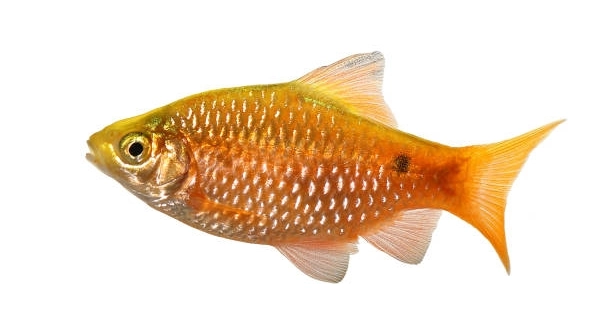
Do you ever find yourself admiring the bright colors and active nature of rosy barbs in your aquarium but know little about their hidden traits?
Rosy barbs display surprising behaviors and characteristics that many fish owners overlook. These include their ability to adapt to different environments, subtle social cues, and breeding habits that often go unnoticed.
Some of these facts may change how you care for them and give you a better understanding of their behavior in your home aquarium.
They Can Change Color Based on Mood and Environment
Rosy barbs can change color depending on how they feel and where they are kept. Their scales may become brighter or duller, showing signs of stress, health, or breeding readiness. When they’re calm and healthy, males often display deep red tones, especially during mating season. In contrast, stress can cause their colors to fade. Environmental factors like lighting, tank conditions, and background colors also play a role. A dark tank background can make their red coloring appear more vibrant. This natural response helps them adapt and communicate with other fish in the tank without needing sound.
This change in color can be a helpful way for you to understand how your rosy barb is feeling.
Observing these shifts may help you respond faster to stress or illness. It also helps you create a more supportive setup, especially if you’re trying to maintain a calm and consistent environment. Keeping water quality stable, reducing sudden changes in lighting, and providing hiding spots all contribute to brighter, healthier-looking fish.
They Sometimes Nip at Other Fish
Rosy barbs can sometimes nip at the fins of slower or long-finned tankmates, especially in smaller tanks with limited space.
Though usually peaceful, rosy barbs are naturally active and prefer being in schools of at least five or six. If kept alone or in a group that’s too small, they may become bored or stressed, leading to chasing and fin-nipping. This behavior is more common when they feel confined or lack stimulation. Providing a large enough tank with swimming space and keeping them in a proper group size can help reduce this. Also, avoid placing them with slow-moving or long-finned fish like bettas or angelfish. These tankmates may not tolerate the constant movement of rosy barbs. Offering plants, open areas, and a mix of hiding spots can help direct their energy more appropriately. Their behavior usually settles once their social and environmental needs are met, making them easier to keep with others.
They Can Live in Cold Water Tanks
Rosy barbs are one of the few tropical fish that can live comfortably in cooler water, down to about 64°F (18°C). This makes them a flexible choice for unheated tanks or room-temperature setups.
Keeping rosy barbs in a cold water tank can actually reduce stress in some cases, as long as temperatures remain consistent. Sudden temperature changes are more harmful than slightly cooler environments. They become less active in lower temperatures but still stay healthy if the water quality is stable. This adaptability also makes them suitable tankmates for other cool water species like white cloud mountain minnows or goldfish (with caution). However, warmer water will encourage more color, activity, and breeding. If your home stays on the cooler side, you may find rosy barbs easier to care for than other fish that need constant heat. They won’t need a heater, but they’ll still appreciate clean water and a stable routine.
Even though rosy barbs tolerate cooler temperatures, avoid extremes below their comfort range. Prolonged exposure to water that’s too cold can weaken their immune systems and slow their metabolism. It’s best to monitor the tank temperature regularly using a thermometer, even if you don’t use a heater. Room temperature can vary more than expected throughout the day or season. If the temperature dips too low at night, adding insulation around the tank or using a low-watt heater as a backup can help. These simple steps ensure your fish stay active and healthy without needing a high-tech setup. Their hardy nature allows for flexibility, but they still need stable care to thrive.
They Sometimes Eat Plants in the Tank
Rosy barbs are known to nibble on soft or delicate aquarium plants. They don’t always do this out of hunger—it’s often just part of their curious nature and active behavior.
Using tougher plants like Java fern or Anubias can help prevent damage. Floating plants may also distract them from rooted ones.
They Breed Easily Without Much Help
If both males and females are kept together, rosy barbs may breed without much interference. They scatter their eggs among plants or gravel and don’t guard them. Once eggs are laid, it’s best to remove the adults to prevent them from eating the eggs. Spawning can happen quickly after water changes or slight temperature increases. Adding fine-leaved plants or spawning mops can give the eggs a safer space. Hatching usually takes around 24 to 36 hours. Once the fry are free-swimming, you can feed them baby brine shrimp or crushed flakes. Even in a community tank, spontaneous breeding is possible if the conditions are right.
They Are Known to Jump Out of Tanks
Rosy barbs can leap out of the water if startled or chasing food near the surface. A secure tank lid helps prevent accidents.
FAQ
How big do rosy barbs grow?
Rosy barbs typically grow to about 2 to 3 inches (5 to 7.5 cm) in length. Males tend to be slightly smaller and slimmer than females. Their size makes them suitable for medium to large aquariums, but they need enough space to swim actively.
What is the ideal tank size for rosy barbs?
A tank of at least 20 gallons is recommended for a small group of rosy barbs. They are schooling fish and should be kept in groups of five or more, so a larger tank provides enough space for them to swim comfortably without stressing each other.
Are rosy barbs aggressive?
Rosy barbs are generally peaceful but can show mild aggression, especially when kept in small groups or with slow-moving fish. They may nip at the fins of other fish, so it’s best to avoid housing them with long-finned or slow species. Proper group size and tank space reduce this behavior.
What do rosy barbs eat?
They are omnivores and eat a variety of foods, including flakes, pellets, frozen or live foods like brine shrimp and bloodworms. A varied diet helps keep their colors bright and supports good health. They also nibble on some plants.
How often should I feed rosy barbs?
Feeding once or twice daily is sufficient. Offer only as much food as they can eat in two to three minutes to avoid overfeeding, which can lead to poor water quality. Including some live or frozen treats occasionally keeps them healthy and active.
Can rosy barbs live with other fish?
Yes, rosy barbs can live peacefully with many other species if tank mates are similarly sized and active. Avoid very small fish or long-finned species that may become targets for fin-nipping. Good companions include danios, other barbs, and some tetras.
Do rosy barbs need special water conditions?
They prefer moderately hard water with a pH between 6.5 and 7.5 but are adaptable to a range of conditions. Consistent temperature between 64°F and 78°F (18°C to 26°C) is ideal. Stability and cleanliness matter more than exact numbers.
How long do rosy barbs live?
With proper care, rosy barbs can live 5 to 7 years on average. Maintaining good water quality, feeding a balanced diet, and providing a stress-free environment will help them reach their full lifespan.
Why are rosy barbs losing color?
Color loss can be caused by stress, illness, poor diet, or water quality issues. Improving tank conditions, offering nutritious foods, and reducing stressors usually help restore their vibrant appearance over time.
Can rosy barbs breed in a community tank?
Yes, they can breed in community tanks if both males and females are present and conditions are right. However, adults may eat the eggs or fry, so breeding success can be limited unless you separate them or provide plenty of hiding spots for the young.
What should I do if rosy barbs nip at other fish?
Ensure you have a group of at least five or six rosy barbs, provide enough swimming space, and avoid slow or long-finned fish. Adding plants and decorations for hiding can reduce nipping by redirecting their energy.
Are rosy barbs hardy for beginners?
Yes, they are considered hardy and adaptable, making them a good choice for beginners. Their tolerance for cooler water and flexible diet make them easier to care for compared to some other tropical fish.
Do rosy barbs need a heater in the tank?
Not always. They can tolerate cooler water down to about 64°F (18°C), so a heater is only necessary if room temperature falls below this or fluctuates a lot. Otherwise, they do well in unheated tanks.
Why do rosy barbs jump out of tanks?
Jumping usually happens if they are startled, overcrowded, or chasing food near the surface. Using a secure lid and maintaining a calm environment helps prevent accidents.
How can I tell if my rosy barb is healthy?
A healthy rosy barb is active, swims smoothly, has bright colors, clear eyes, and intact fins. Watch for signs like lethargy, faded colors, clamped fins, or unusual spots, which may indicate illness or stress.
What is the best way to introduce rosy barbs to a new tank?
Acclimate them slowly by floating the bag in the tank water and gradually mixing tank water inside the bag over 30 to 60 minutes. This reduces shock from temperature or water chemistry changes and helps them settle in well.
Rosy barbs are interesting and adaptable fish that can bring life and color to many home aquariums. They are known for their bright red hues and active swimming behavior. While they may seem like simple fish to care for, there are several unexpected facts about them that can help improve how you look after them. From their ability to change color based on mood and environment, to their tolerance of cooler water temperatures, rosy barbs are not only beautiful but also resilient. Understanding these traits can help you create a better home for them, making sure they stay healthy and happy.
One important thing to remember is that rosy barbs are social fish and do best in groups. Keeping them alone or in small numbers can lead to unwanted behaviors like fin-nipping. They can also jump out of tanks if startled or if there is no secure lid. These small details make a big difference in their care. Providing enough space, a stable environment, and a suitable community of tank mates will reduce stress and help them thrive. Their sometimes playful nibbling on plants is also normal, so choosing tougher plants or adding floating greenery can protect your aquarium. When it comes to breeding, rosy barbs are quite easy to breed in captivity, but protecting the eggs and fry requires attention.
Overall, rosy barbs are a great choice for many aquarists due to their hardiness and adaptable nature. They do not need special equipment like heaters if the room temperature is stable, and they accept a wide range of foods. Watching their colors brighten when they are healthy is rewarding and shows they are well cared for. Knowing their habits and needs makes it easier to avoid common problems. Taking the time to understand these unexpected facts can improve your experience with rosy barbs and ensure they live long, vibrant lives in your aquarium.

Hello,
If you enjoy the content that we create, please consider saying a "Thank You!" by leaving a tip.
Every little bit helps us continue crafting quality advice that supports the health, happiness, and well-being of pets around the world, for pets of all shapes, sizes, and species.
We really appreciate the kindness and support that you show us!