
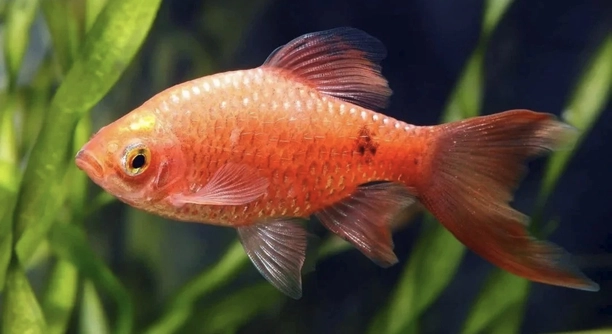
Is your Rosy Barb spending more time chasing the glass than swimming with its tank mates or exploring its environment? This behavior may seem odd at first, especially for such an active and colorful fish.
The most common reason Rosy Barbs chase the glass is due to their reflection, which they mistake for another fish. This perceived intruder can trigger territorial or mating behaviors, especially in male barbs kept in smaller or sparsely decorated tanks.
This behavior, while natural, may also signal stress or tank setup issues. Understanding what drives it can help improve your Rosy Barb’s well-being and create a calmer, healthier aquarium.
Common Causes of Glass-Chasing Behavior
Rosy Barbs often chase the glass because they see their own reflection. This behavior is more noticeable in male fish, especially during breeding seasons when they feel territorial or competitive. The tank glass can act like a mirror, and without enough distractions or space, your Rosy Barb might fixate on its reflection. Another reason could be boredom due to a lack of enrichment in the tank. Rosy Barbs are active fish that need stimulation through plants, decorations, or tank mates. Poor water quality or a tank that’s too small can also lead to stress, which sometimes shows up as repeated glass-chasing.
If your Rosy Barb is only occasionally chasing the glass, it’s likely not a serious concern. Many fish do this from time to time.
However, if it becomes frequent or aggressive, it may be a sign that the fish is stressed or overstimulated. Pay close attention to the tank’s environment.
Adding more plants, caves, or hiding spaces can help reduce this behavior. These changes break up the line of sight and make it harder for the fish to fixate on reflections. Increasing tank size or adjusting lighting can also reduce visible reflections. A varied layout gives the fish more to do and reduces stress levels overall.
When It May Be a Sign of Stress
Sometimes glass-chasing is more than just reaction to a reflection. It can be a subtle sign your Rosy Barb isn’t feeling secure in its space.
Stress in fish can be caused by several things. Overcrowding, sudden changes in water temperature, poor filtration, or bright lighting can all contribute. If your Rosy Barb seems restless, is constantly pacing, or avoids eating, these are signs worth noticing. Consistent glass-chasing might be how the fish expresses its discomfort. Check the water parameters—ammonia, nitrite, nitrate, and pH levels. If anything is off, correcting those factors can help quickly. Consider how many fish are in the tank and whether they all have enough room. Rosy Barbs are schooling fish, so keeping them in small groups can reduce stress, but not if the tank is too small. Also, avoid loud noise or vibrations near the aquarium. Subtle environmental stressors can have a big impact on fish behavior. Making small adjustments can lead to noticeable improvements in how your Rosy Barb behaves.
Simple Fixes You Can Try
Start by dimming the lights around the tank to reduce the reflection. Sometimes just adjusting the tank lighting or the room setup can make a noticeable difference in your Rosy Barb’s behavior.
If lighting changes don’t help, rearrange the tank decorations. Add taller plants or background paper to cover the glass. This can block the reflection and give your fish more visual barriers. You can also try adding more swimming space by removing unused decorations or upgrading to a larger tank. Rosy Barbs are active swimmers and need room to move. Make sure the water parameters are stable. Test the water weekly and perform regular partial water changes. If your tank has too few fish, consider adding a couple more Rosy Barbs. They feel more at ease in groups of five or more. A comfortable and stable environment is often the most effective way to calm repeated behaviors.
Feeding time can also help reset your fish’s attention. Use floating food that spreads out, encouraging them to explore more of the tank. Avoid overfeeding—just enough to keep them interested. Keep a consistent schedule so they associate activity with positive experiences. Try rotating the types of food every few days, such as flakes, frozen brine shrimp, or small pellets. It gives them variety and helps break repetitive behavior. Consider interactive feeding tools like clip-on veggie holders. This keeps them busy for longer periods and adds variety to their routine. Simple engagement like this may reduce the urge to chase the glass repeatedly. Just keep an eye on what works and build from there.
When to Be Concerned
If the glass-chasing becomes constant, even after making changes, it may point to something more serious. Continuous pacing, skittishness, or loss of color could mean your Rosy Barb is feeling overwhelmed or unwell.
Check for signs of illness like clamped fins, erratic swimming, or faded coloration. These can appear alongside stress-driven behaviors. Test your water immediately to make sure it’s within safe ranges—especially ammonia and nitrites. Sometimes a minor imbalance is enough to throw things off. Also, observe tank mates. Aggressive fish or overcrowding can cause long-term anxiety in more peaceful fish. If you’ve recently made changes to the tank, such as moving decorations or adding new fish, give your Rosy Barb a few days to adjust. But if nothing improves after a week or two, it’s worth asking for advice from a local aquarium shop or vet. Chronic stress may lead to illness, so don’t ignore ongoing patterns.
Behavior That Looks Similar
Sometimes, your Rosy Barb might just be swimming quickly along the tank wall, not actually chasing the glass. This can happen after feeding or during active periods and usually isn’t something to worry about.
Territorial swimming is another behavior that looks similar. A fish might patrol a certain area, especially if there are eggs or a favored spot. This can look like glass-chasing but is more focused and slower in movement.
How Tank Mates Can Influence It
Tank mates play a big role in shaping how your Rosy Barb behaves. If they’re surrounded by peaceful, similarly active fish, they usually stay calm and engaged. But aggressive or overly active tank mates may create tension, causing stress behaviors like glass-chasing. Rosy Barbs also do best in small groups, not alone. Keeping at least five helps them feel more secure and reduces the chance of erratic behavior. Avoid housing them with slow-moving or long-finned fish like angelfish, which may trigger unwanted chasing. A good balance of species, swimming space, and hiding spots helps maintain harmony in the tank.
Things That Might Surprise You
Even something small like the color of your tank background can affect your Rosy Barb’s behavior. Bright or reflective surfaces may keep triggering that glass-chasing response.
FAQ
Can glass-chasing harm my Rosy Barb?
Yes, if it happens too often. Repeated chasing can lead to physical exhaustion or injury, especially if your fish swims into the glass at high speed. It may also mean your Rosy Barb is experiencing long-term stress, which weakens its immune system over time. While occasional chasing is harmless, constant repetition should not be ignored. Make sure the tank environment is calm, balanced, and properly set up to prevent harm.
Why does my Rosy Barb only chase the glass at certain times of day?
This is often due to lighting. Natural sunlight or room lights can reflect on the tank glass at different angles depending on the time of day. Your Rosy Barb might spot its reflection more clearly at certain times and react to it. Try adjusting the tank’s placement or adding a background to reduce these reflections. Consistent lighting inside and outside the tank can help prevent this type of behavior.
Can one Rosy Barb live alone without problems?
Rosy Barbs are schooling fish and do not do well on their own. A single fish often becomes bored, anxious, or aggressive. This may lead to behaviors like glass-chasing, fin-nipping, or reduced activity. It’s best to keep them in groups of five or more. When kept in small schools, they interact more naturally, feel safer, and show fewer signs of stress.
Will adding a mirror help distract my Rosy Barb from the glass?
No, adding a mirror will likely make things worse. Mirrors reinforce the problem by making the fish more focused on its reflection. While it might seem entertaining at first, it can increase aggression and anxiety. Instead, focus on removing reflective surfaces and providing more tank enrichment, like plants, hiding spots, and a calm environment.
What size tank is best for Rosy Barbs?
A minimum of 20 gallons is recommended for a small group, but bigger is always better. These fish are active swimmers and need horizontal space to move around. If you plan to keep more than five, consider a 30-gallon tank or larger. A larger tank also helps with water stability, which lowers stress.
Do Rosy Barbs get along with other fish?
Yes, they’re generally peaceful but can be nippy if they feel crowded or if they’re bored. Avoid keeping them with slow or long-finned species, as they may chase or nip at them. Good tank mates include other fast-moving, similarly sized fish like danios, tetras, or other barbs.
Why is my Rosy Barb more active after a water change?
Fresh water often improves oxygen levels and reduces built-up waste, which makes your fish feel better almost immediately. This boost can cause a short burst of energy, leading to more swimming or exploring. However, if your Rosy Barb is darting around too much, test the water. A sudden change in temperature or pH can also cause overactivity.
Can stress be passed between fish?
Indirectly, yes. If one fish is highly stressed or aggressive, it can influence the group’s overall behavior. Rosy Barbs react to their environment and the behavior of nearby fish. A calm, balanced tank benefits the whole group, so removing a problem fish or fixing the cause of stress can help everyone settle down.
How do I know if it’s just boredom?
Boredom shows up in several ways—restless swimming, glass-chasing, and chasing tank mates. If your fish has a clean tank, proper food, good water quality, and is still acting out, try adding more plants, rearranging décor, or introducing floating toys or new feeding tools. A few small changes can make a big difference.
Final Thoughts
Watching your Rosy Barb chase the glass can be confusing, especially when the rest of the tank seems peaceful. While this behavior may seem playful or harmless at first, it can be a sign that something in the tank isn’t right. Most of the time, it has to do with reflections, boredom, or stress. The good news is that in many cases, small adjustments to the tank’s lighting, layout, or setup can help calm this behavior. By understanding what might be causing your fish to act this way, you’re already on the right track to improving their environment.
Keeping a stable tank setup plays a big part in how your Rosy Barb behaves day-to-day. Regular water checks, a proper diet, and the right number of tank mates can go a long way in helping your fish feel secure. Rosy Barbs are active and social, so they need space to swim and a group to interact with. If their needs are not met, behaviors like glass-chasing can appear and sometimes get worse. Try to provide a mix of plants, hiding places, and open swimming areas. This will give them enough stimulation without feeling crowded or stressed. Little details like tank placement, noise levels, and even the background color can also affect their behavior more than you might expect.
Behavioral issues like glass-chasing can seem small at first, but they offer insight into your fish’s health and comfort. Instead of seeing it as just a quirky habit, consider it a signal. Keeping an eye on how often it happens, what time of day, and how your fish responds to changes can help you spot patterns. From there, it becomes easier to make thoughtful improvements. Every tank is different, and what works for one fish might not work for another, so be patient. Creating a calm and balanced environment takes time, but it’s worth the effort. Your Rosy Barb will show more natural, relaxed behavior when it feels at ease, and you’ll enjoy watching them more when they’re thriving. Small steps make a big difference in the long run.

Hello,
If you enjoy the content that we create, please consider saying a "Thank You!" by leaving a tip.
Every little bit helps us continue crafting quality advice that supports the health, happiness, and well-being of pets around the world, for pets of all shapes, sizes, and species.
We really appreciate the kindness and support that you show us!