
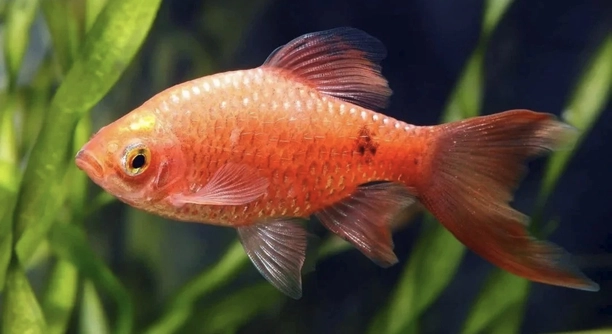
A rosy barb jumping out of its tank can be a surprising and worrying event for any fish keeper. These active fish sometimes leap when startled or due to water conditions. Knowing how to respond quickly can make all the difference.
If a rosy barb jumps out, gently and promptly return it to the aquarium using a soft net or your hands, ensuring minimal stress and injury. Check the tank’s water quality and conditions to prevent further incidents and maintain the fish’s health.
Understanding why your rosy barb jumped and how to handle it properly will help protect your fish and keep your aquarium safe and stable.
Why Rosy Barbs Jump Out
Rosy barbs are naturally active and sometimes jump when startled or uncomfortable. Sudden noises, rapid movements near the tank, or changes in water conditions can trigger this behavior. Poor water quality, low oxygen levels, or improper tank size may also cause stress, making them more likely to leap. Tank decorations placed too close to the surface can give fish little space to swim freely, increasing jump risk. It’s important to maintain stable water parameters and avoid sudden disturbances. Covering the tank with a secure lid helps prevent escapes. Regularly testing water for ammonia, nitrites, nitrates, and pH can catch problems early. Adjusting feeding schedules and avoiding overfeeding keeps the water cleaner. A well-maintained environment reduces stress and helps rosy barbs feel secure.
Keeping the tank stable and calm helps minimize jumping and protects your fish from injury or loss.
Recognizing the factors behind a jump can prevent future incidents and improve your fish’s quality of life. Small changes often make a big difference in tank safety.
How to Handle a Rosy Barb After It Jumps
When your rosy barb jumps out, it is crucial to act calmly and quickly. Use a soft net or clean hands to gently scoop the fish from the surface it landed on. Avoid squeezing or sudden movements, which can cause injury. Place the fish back into the tank slowly to allow it to acclimate without shock. If the fish shows signs of damage, such as torn fins or unusual behavior, isolate it in a quarantine tank and monitor closely. Check the water quality immediately after returning the fish to ensure it meets proper conditions. If necessary, perform a partial water change to improve oxygen levels and reduce toxins. Maintaining a clean and stable environment reduces the risk of further jumps.
Keeping calm and careful during this process can save your fish’s life and reduce stress.
Ensuring your rosy barb returns safely and monitoring for any signs of distress are key to quick recovery and ongoing health. Handling these situations carefully helps protect your fish and maintain a peaceful tank environment.
Preventing Rosy Barbs from Jumping
A tight-fitting lid on your aquarium is the simplest way to stop rosy barbs from jumping out. It creates a physical barrier without restricting airflow or light, keeping your fish safely inside.
Proper tank setup also matters. Ensure water quality is stable by regularly testing for ammonia, nitrites, and nitrates. Keep the tank well-oxygenated with an air stone or filter. Avoid sudden loud noises or rapid movements around the tank that might startle the fish. Provide plenty of swimming space by not overcrowding the tank and arranging decorations to avoid sharp edges near the surface. Keeping a calm environment will reduce stress and jumping tendencies.
Feeding habits influence jumping as well. Avoid overfeeding, which pollutes the water and causes poor conditions. Feed smaller amounts multiple times a day instead of one large feeding. Consistent water changes and monitoring water temperature also help maintain a healthy environment. These small adjustments contribute significantly to reducing your rosy barb’s urge to jump.
What to Do If Your Fish is Injured
If your rosy barb shows signs of injury after jumping, isolate it in a quarantine tank to prevent infection. Gently clean the quarantine tank and maintain optimal water conditions to support healing. Use aquarium salt as recommended to help treat minor wounds and reduce stress. Monitor the fish for signs of infection such as redness, swelling, or unusual behavior.
Administer any medication carefully following product instructions. Keep the injured fish away from aggressive tank mates to avoid further harm. Maintain good water quality and reduce stressors by keeping the tank dimly lit and avoiding loud noises. Healing can take days or weeks depending on the injury’s severity, so patience and care are essential during recovery.
Choosing the Right Tank Size
Rosy barbs need enough space to swim freely to reduce stress and jumping. A minimum of 20 gallons is recommended for a small group. Larger tanks offer better stability and comfort.
Avoid overcrowding, as too many fish increase aggression and stress. More space means happier, calmer fish less likely to leap.
Maintaining Water Quality
Regular water testing is essential. Keep ammonia and nitrites at zero, and nitrates below 20 ppm. Stable pH levels between 6.5 and 7.5 help keep rosy barbs healthy and less likely to jump. Frequent water changes support good water quality.
Securing the Aquarium Lid
A well-fitting lid prevents fish from jumping out but should allow proper ventilation. Use glass or plastic lids designed for aquariums. Avoid gaps where fish could escape. Check the lid regularly for damage or movement. A secure lid is an easy and effective barrier.
FAQ
Why do rosy barbs jump out of the tank?
Rosy barbs often jump because they feel stressed or threatened. Common causes include sudden loud noises, poor water quality, overcrowding, or lack of space. They may also leap when the water lacks enough oxygen or if the tank environment changes suddenly. Ensuring stable conditions helps reduce this behavior.
How can I safely catch a rosy barb that has jumped out?
Use a soft net or wet hands to gently pick up the fish. Move slowly to avoid further stressing it. Place the fish back in the tank carefully, allowing it to acclimate slowly to avoid shock. If the fish is injured, isolate it for treatment.
What water parameters are best for rosy barbs?
Rosy barbs thrive in water with a temperature between 64°F and 72°F (18°C–22°C). The pH should be slightly acidic to neutral, around 6.5 to 7.5. Ammonia and nitrite levels must be zero, and nitrate should be kept low through regular water changes.
Can overcrowding cause rosy barbs to jump?
Yes, overcrowding leads to stress, which can increase jumping. Rosy barbs are active swimmers and need plenty of space. A minimum of 20 gallons for a small group is recommended. Overcrowded tanks also cause poor water quality, increasing stress further.
Is a tank lid necessary for rosy barbs?
A secure lid is highly recommended to prevent jumping. Rosy barbs are known jumpers and can easily escape open tanks. A lid keeps them safely inside while allowing ventilation. Regular checks ensure the lid stays firmly in place.
What should I do if my rosy barb gets injured after jumping?
Move the fish to a quarantine tank and monitor its condition. Use aquarium salt or medications designed for minor wounds. Keep water clean and stable, and reduce stress by dimming lights and avoiding loud noises. Healing can take time, so patience is important.
How often should I change the water in my rosy barb tank?
Changing 25-30% of the water weekly helps keep the environment clean and stable. Frequent water changes remove toxins like nitrates and keep oxygen levels high, both important for reducing stress and jumping.
Can feeding affect jumping behavior?
Overfeeding pollutes the water and causes poor conditions, which can stress the fish. Feeding smaller amounts more frequently helps maintain water quality and keeps your rosy barbs healthy and less likely to jump.
Are there specific tank decorations to avoid?
Avoid decorations with sharp edges or those placed too close to the water surface. These can injure fish when they jump or swim near the top. Use smooth, rounded decorations and provide plenty of open swimming space.
What signs show a rosy barb is stressed?
Signs include erratic swimming, hiding more than usual, loss of appetite, and jumping attempts. Poor coloration and clamped fins can also indicate stress. Addressing water quality, tank conditions, and social environment helps reduce stress and improve their well-being.
Final Thoughts
Keeping rosy barbs safe and comfortable requires attention to their environment and behavior. These fish are active and sometimes jump when stressed or startled. By maintaining clean, stable water conditions and providing enough space, you can reduce the chances of your fish jumping out of the tank. A well-fitted lid is a simple yet effective way to prevent escapes and keep your fish safe. Regularly checking water quality and tank setup will help you spot potential issues before they cause problems.
When a rosy barb does jump, quick and calm action is important. Gently returning the fish to the tank minimizes injury and stress. If the fish is hurt, isolating it and providing proper care will support recovery. Paying attention to feeding habits, tank decorations, and water parameters can further reduce stress on your fish. Healthy, calm fish are less likely to jump and will enjoy a better quality of life.
Taking these steps ensures a safer and happier environment for your rosy barbs. Being proactive about their needs will help you avoid unexpected jumps and potential injuries. Small changes to your aquarium setup or routine can make a big difference. Caring carefully for your fish supports their health and allows you to enjoy their lively presence in your home for years to come.

Hello,
If you enjoy the content that we create, please consider saying a "Thank You!" by leaving a tip.
Every little bit helps us continue crafting quality advice that supports the health, happiness, and well-being of pets around the world, for pets of all shapes, sizes, and species.
We really appreciate the kindness and support that you show us!