
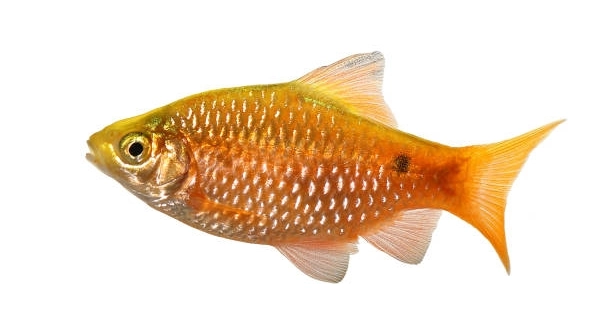
Rosy Barbs are lively fish that can become comfortable around their owners with the right approach. Training them to eat from your hand adds a rewarding level of interaction to your aquarium care routine. This guide will explain the steps involved.
Training Rosy Barbs to eat from your hand requires patience, consistency, and a calm environment. Begin by offering food near your hand, gradually moving it closer over several sessions. Positive reinforcement encourages the fish to associate your hand with feeding.
Building trust with your Rosy Barbs takes time, but it creates a closer bond and makes feeding more enjoyable for both of you.
Preparing Your Rosy Barbs for Hand Feeding
Before starting hand feeding, ensure your Rosy Barbs are healthy and comfortable in their tank. Keep the water clean and stable, with temperatures between 74 and 79°F (23-26°C). Feeding your fish small amounts of food two to three times a day helps maintain their appetite. Choose sinking pellets or small flakes for hand feeding, as these are easier for the fish to recognize and eat near your hand. Introduce your hand slowly into the tank, allowing the fish to get used to its presence without sudden movements. Stay calm and patient during this process, as sudden actions can startle the fish and delay training. A quiet environment without loud noises or vibrations helps the Rosy Barbs feel secure. Consistency is key—spend a few minutes each day practicing hand feeding to build trust and familiarity.
Start with short sessions of hand feeding to avoid overwhelming your fish.
Hand feeding is a gradual process that requires patience. Over time, your Rosy Barbs will associate your hand with food, making them more comfortable and responsive during feeding sessions.
Techniques to Encourage Hand Feeding
Begin by holding a small amount of food on your open palm just above the water surface. Keep your hand steady and wait for the Rosy Barbs to approach naturally. Avoid forcing your hand toward the fish, as this may cause stress. You can gently tap the water with your fingers to attract their attention. If they hesitate, lower your hand slowly to encourage exploration. Offering food in the same spot daily helps fish remember the location and builds routine. Watching their behavior carefully will help you recognize signs of readiness or stress. When the fish swim close enough to eat from your hand, remain still to avoid sudden movements. Gradually, the fish will begin to take food directly from your palm. This method strengthens their trust and enhances your connection with them.
Patience during feeding times leads to better interaction.
Regular practice will increase your Rosy Barbs’ comfort level with hand feeding, creating a calmer and more engaging experience for both you and your fish.
Common Challenges When Hand Feeding Rosy Barbs
Some Rosy Barbs may be shy or hesitant to eat from your hand at first. This is normal and does not mean they won’t learn. Environmental factors like sudden noises or water temperature changes can affect their behavior and appetite.
In cases where your Rosy Barbs avoid your hand, continue offering food near it without forcing contact. Gradually, they will get used to your presence. Make sure the tank environment remains calm and consistent. Avoid rapid movements or tapping on the glass, as this can increase stress. If several fish are competing for food, try feeding fewer fish at once or spreading out the food to reduce competition.
If progress is slow, reduce distractions around the tank during feeding times. Keep sessions short and positive to maintain their interest and trust. With time, even the shyest fish can adapt and learn to feed from your hand comfortably.
Maintaining Hand Feeding Routine
Consistency is important for hand feeding success. Try to feed your Rosy Barbs from your hand at the same times each day. This creates a reliable routine that helps the fish anticipate feeding and builds trust in your presence.
Avoid skipping sessions, as irregular feeding may cause the fish to lose interest or become nervous. Also, use the same type of food to keep the training clear. Mixing foods too often can confuse the fish and slow progress. Keep portions small during hand feeding to avoid overfeeding, which could harm their health.
Sticking to a routine also strengthens your connection with the fish. Over time, feeding from your hand becomes a regular and enjoyable part of caring for your Rosy Barbs.
Signs Your Rosy Barbs Are Ready to Eat from Your Hand
When your Rosy Barbs swim confidently toward your hand, it shows growing trust. They may nibble around your fingers before taking food directly. This behavior signals they are ready for hand feeding.
Increased activity and following your hand during feeding times are good signs. These indicate they feel safe and expect food from you.
Adjusting Your Approach if Fish Are Nervous
If your Rosy Barbs hesitate or dart away, reduce the speed of your hand movements. Stay still and lower your hand gradually. Patience and calmness help them feel secure.
Using Treats to Encourage Hand Feeding
Offering special treats like live or frozen brine shrimp can motivate your fish. These treats are often more enticing than regular pellets and can speed up training.
Keeping Training Sessions Short and Positive
Limit hand feeding sessions to just a few minutes. Ending on a positive note encourages your fish to look forward to the next time.
FAQ
How long does it take for Rosy Barbs to learn to eat from your hand?
Training time varies depending on the fish’s personality and your consistency. Some Rosy Barbs may start eating from your hand within a few days, while others might take several weeks. Regular, calm feeding sessions increase the chances of quicker success. Patience is essential, as forcing the process can cause stress and slow progress.
What type of food is best for hand feeding Rosy Barbs?
Small sinking pellets or flakes work well because they are easy to hold near your hand and recognize as food. Live or frozen treats like brine shrimp or bloodworms are also good options. These treats can motivate the fish and make training more appealing, but should be used sparingly to avoid nutritional imbalance.
Can I train multiple Rosy Barbs to eat from my hand at once?
Yes, but it’s easier to start with one or two fish. When multiple fish compete for food, some may get nervous or eat too quickly. Feeding in smaller groups or spreading out the food can help reduce competition and encourage calm behavior. Over time, more fish can join hand feeding sessions comfortably.
What if my Rosy Barbs ignore my hand completely?
If your fish avoid your hand, check the tank conditions first. Ensure the water temperature and quality are stable, and avoid loud noises near the tank. Try offering food just outside the water first, then slowly move your hand closer during feeding times. Consistency and calm behavior will help the fish adjust.
Is hand feeding stressful for Rosy Barbs?
When done gently and patiently, hand feeding should not stress your fish. Sudden movements or forcing contact can cause anxiety. Keeping the environment quiet and calm helps your Rosy Barbs feel safe. Watching their behavior for signs of stress, like darting or hiding, allows you to adjust your approach.
How often should I practice hand feeding?
Daily or every other day sessions are ideal for steady progress. Keep sessions short, around 5 to 10 minutes, to maintain your fish’s interest without overwhelming them. Regular practice builds trust and familiarity, which are key to successful hand feeding.
Can hand feeding improve my bond with my Rosy Barbs?
Yes, hand feeding creates positive interactions and builds trust. Your fish learn to associate your presence with food and safety, which strengthens their comfort around you. This interaction makes caring for your Rosy Barbs more rewarding and engaging.
What should I avoid during hand feeding training?
Avoid sudden or fast hand movements and tapping on the glass. These actions can startle the fish and slow training. Don’t overfeed during hand feeding, as this can lead to health problems. Also, avoid changing feeding locations frequently to prevent confusion.
How do I know if my Rosy Barbs are stressed during hand feeding?
Signs of stress include hiding, rapid darting away from your hand, clamped fins, and lack of appetite. If you notice these behaviors, pause training and give the fish time to calm down. Adjust your approach by moving slower or feeding in a quieter environment.
Is it safe to put my hand in the aquarium regularly?
Yes, as long as your hands are clean and free of soap or chemicals. Rinse your hands thoroughly before placing them in the tank. Regular hand feeding can be safe and beneficial when done carefully, enhancing your connection with your fish without harming them.
Training Rosy Barbs to eat from your hand is a rewarding experience that requires patience and consistency. These fish are naturally curious but may take some time to become comfortable with your presence. By creating a calm environment and offering food steadily near your hand, you encourage them to approach and trust you. It is important to go at their pace and avoid rushing the process. Over time, the effort pays off as your Rosy Barbs learn to recognize your hand as a source of food.
Maintaining a regular feeding routine supports the training process. Feeding at the same times each day helps your fish anticipate when food will come and builds trust in your actions. Use small portions to avoid overfeeding and choose foods that are easy for the fish to eat near your hand, like sinking pellets or small flakes. Treats like live or frozen brine shrimp can also help motivate your Rosy Barbs but should be given occasionally. Watching your fish’s reactions during feeding can guide you on when to slow down or adjust your approach.
Hand feeding not only improves your fish’s comfort with you but also enhances your enjoyment of aquarium care. As your Rosy Barbs become familiar with eating from your hand, you build a connection that makes feeding more interactive and pleasant. This interaction can add to the satisfaction of keeping fish, making the time spent caring for them feel more personal and engaging. With patience and care, hand feeding can become a simple and enjoyable part of your routine.

Hello,
If you enjoy the content that we create, please consider saying a "Thank You!" by leaving a tip.
Every little bit helps us continue crafting quality advice that supports the health, happiness, and well-being of pets around the world, for pets of all shapes, sizes, and species.
We really appreciate the kindness and support that you show us!