
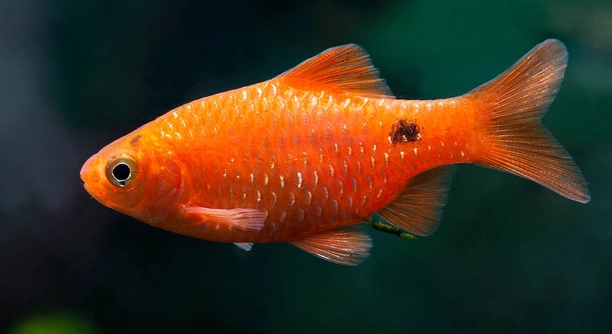
Do you enjoy keeping Rosy Barbs but wonder about the best water conditions for their health? Many fishkeepers want to know whether these colorful fish thrive better in soft or hard water environments. Understanding their needs can help maintain a happy aquarium.
Rosy Barbs generally prefer moderately hard water with a balanced pH. While they can tolerate a range of water hardness, slightly harder water supports their well-being and vibrant coloration better than very soft water.
Knowing the right water hardness can improve your Rosy Barbs’ health and appearance. This article will explain what water conditions work best for them.
Understanding Water Hardness and Its Impact on Rosy Barbs
Water hardness refers to the amount of dissolved minerals like calcium and magnesium in water. Soft water has low mineral content, while hard water contains higher levels. Rosy Barbs come from rivers and streams with moderately hard water, so their bodies are adapted to these conditions. When kept in very soft water, their immune systems may weaken, making them more prone to stress and disease. On the other hand, extremely hard water can cause discomfort and affect their overall health. It is important to maintain water hardness within a moderate range to keep Rosy Barbs active and healthy. Testing your aquarium water regularly helps you know when adjustments are needed. Using water conditioners or mineral additives can balance water hardness to fit their needs.
Moderate hardness mimics the natural habitat of Rosy Barbs, promoting strong immune response and vibrant colors.
Adjusting hardness slowly is best, as sudden changes can shock the fish and cause health problems.
Ideal pH Levels for Rosy Barbs
Rosy Barbs prefer a pH level between 6.5 and 7.5, which is slightly acidic to neutral.
Maintaining this pH range supports their metabolic processes and reduces stress. Fluctuations outside this range can lead to weakened health or aggressive behavior. A stable environment helps Rosy Barbs thrive and display their bright colors. You can use pH testing kits to monitor water regularly and make small adjustments with pH buffers if necessary. Consistent care of water parameters will ensure your fish stay lively and healthy for a long time.
Adjusting Water Hardness for Rosy Barbs
Changes to water hardness should be done gradually to avoid stressing the fish. Sudden shifts can shock their systems and lead to illness or death. It’s best to test water often and make small changes over several days.
To increase hardness, adding crushed coral or mineral supplements can help. These slowly release calcium and magnesium into the water. For lowering hardness, using reverse osmosis (RO) water or distilled water mixed with tap water is effective. Always blend the water gradually and monitor fish behavior closely during the process. Avoid extreme changes that could upset the aquarium’s balance.
Maintaining stable hardness is as important as setting the right level. Fluctuations in hardness can confuse Rosy Barbs’ biological functions and weaken their immune systems. Consistency leads to a healthier, longer life for your fish.
Signs of Incorrect Water Hardness
Rosy Barbs show clear signs when water hardness is not suitable. They may become lethargic, lose color, or develop spots. Unusual behavior like hiding or loss of appetite also indicates stress from water issues.
Poor water hardness can disrupt breathing and cause damage to their gills. Over time, soft water may weaken their bones, while very hard water can cause scale problems. Watching for these signs helps catch problems early. If you notice any of these symptoms, test your water and adjust hardness as needed. Early action often prevents long-term health issues and helps the fish recover faster.
Testing Water Hardness Regularly
Testing water hardness regularly is essential to maintain a healthy environment for Rosy Barbs. Simple test kits are available and easy to use at home. Consistent monitoring helps catch changes before they harm your fish.
Water hardness can fluctuate due to water source changes or evaporation. Regular testing ensures adjustments are made promptly. This helps keep conditions stable and comfortable for the fish.
Recommended Equipment for Testing
Reliable water hardness test kits often use color-changing strips or liquid reagents. These tools give quick and accurate results. Investing in a good kit will save time and stress in the long run.
Regular use of test kits helps track water conditions and maintain a balanced aquarium. This supports your Rosy Barbs’ health and vibrant colors.
Effects of Water Hardness on Breeding
Water hardness affects Rosy Barbs’ breeding success. Moderately hard water encourages better spawning and healthier fry development.
Maintaining ideal hardness levels increases the chances of successful reproduction and stronger offspring.
Water Hardness and Tankmates
Choose tankmates with similar water hardness needs to keep harmony in the aquarium. Mismatched preferences can cause stress and health issues.
How do I know if my water is too soft or too hard for Rosy Barbs?
You can tell by testing the water hardness using a test kit. Soft water has fewer minerals like calcium and magnesium, while hard water has more. If your Rosy Barbs show signs like faded color, lethargy, or unusual behavior, your water hardness might be off. Consistent testing helps spot problems early, so you can adjust the hardness gradually to better suit their needs.
Can I keep Rosy Barbs in completely soft water?
Rosy Barbs can survive in soft water for a while, but it is not ideal for their long-term health. Soft water lacks enough minerals, which can weaken their immune system and dull their colors. It is better to maintain moderately hard water, as it supports their natural physiology and keeps them active and vibrant.
What is the easiest way to increase water hardness?
The simplest method is to add crushed coral or mineral additives to your aquarium filter or substrate. These materials slowly release calcium and magnesium, raising water hardness gradually. Avoid adding too much at once; slow adjustments prevent shocking your fish and help maintain stable water conditions.
How can I safely lower water hardness if it’s too high?
Mixing your tap water with reverse osmosis (RO) or distilled water is an effective way to reduce hardness. Always blend the water slowly and monitor your fish during this process. Using RO water alone might remove too many minerals, so mixing it with your regular water keeps the hardness at a safe level.
What are the risks of sudden changes in water hardness?
Sudden shifts can stress Rosy Barbs, weakening their immune system and making them vulnerable to disease. Abrupt changes can also damage their gills and affect their ability to regulate bodily functions. Always adjust hardness gradually over several days to keep fish healthy.
Do Rosy Barbs need different hardness levels at different life stages?
Yes, slightly softer water is better for breeding and raising fry, while adults thrive in moderately hard water. Softer water helps eggs hatch and young fish grow stronger. Once mature, Rosy Barbs benefit from harder water to maintain color and health.
How often should I test water hardness?
Testing every one to two weeks is recommended, especially if you’re adjusting hardness or using untreated tap water. Regular checks prevent unnoticed changes that could harm your fish. If your water source is stable and treated, monthly testing may be sufficient.
Can water hardness affect other water parameters?
Yes, hardness interacts with pH and alkalinity, influencing overall water stability. Hard water tends to buffer pH changes, keeping the environment stable. Soft water offers less buffering, so pH may swing more easily. Balancing hardness helps maintain steady conditions.
What tankmates are best for Rosy Barbs in terms of water hardness?
Choose species that thrive in similar moderately hard water conditions. Examples include danios, barbs, and some tetras. Avoid fish that require very soft or very hard water to prevent stress and conflicts in the tank.
Is there a visual sign in Rosy Barbs that shows they are stressed by water hardness?
Yes, stressed Rosy Barbs may lose their bright coloration, appear sluggish, or hide more often. They might also stop eating or develop fin damage. These signs indicate it’s time to check water conditions and make adjustments.
Rosy Barbs are lively and colorful fish that can brighten any aquarium. Their health depends a lot on the quality of the water they live in, especially the water hardness. Keeping the right level of minerals like calcium and magnesium helps these fish stay active and show their best colors. Moderately hard water, which is not too soft or too hard, suits Rosy Barbs well because it closely matches the water they come from in the wild. Maintaining this balance in your tank supports their immune system and overall well-being.
It’s important to test your aquarium water regularly to keep track of hardness levels. Using simple test kits can help you know when the water is too soft or too hard. If you find that the hardness isn’t right, you can adjust it gradually. Adding crushed coral or mineral supplements raises hardness, while mixing tap water with reverse osmosis or distilled water lowers it. Avoid making sudden changes because these can stress your fish and cause health problems. Slow and steady adjustments are the safest way to keep your Rosy Barbs comfortable and healthy.
Remember that water hardness is just one part of keeping a good home for Rosy Barbs. Stable pH levels, proper temperature, and clean water also play big roles in their health. Watching your fish for signs of stress, like faded colors or changes in behavior, can help you catch water problems early. When you keep water hardness in the right range and provide a stable environment, your Rosy Barbs will thrive, live longer, and brighten your aquarium with their natural beauty. Taking care of these details shows that small changes in water quality can make a big difference in their happiness.

Hello,
If you enjoy the content that we create, please consider saying a "Thank You!" by leaving a tip.
Every little bit helps us continue crafting quality advice that supports the health, happiness, and well-being of pets around the world, for pets of all shapes, sizes, and species.
We really appreciate the kindness and support that you show us!