
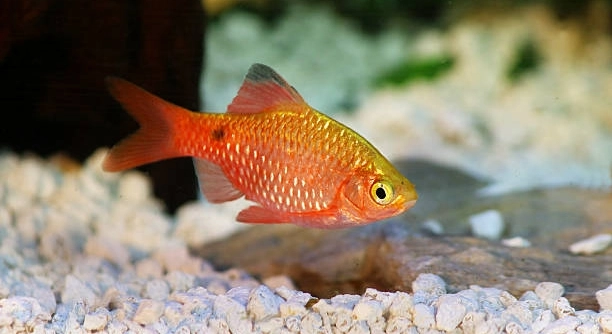
Rosy barbs are colorful, active fish that brighten any aquarium. Keeping their tank clean is important for their health and happiness. Regular maintenance helps prevent problems and keeps the water clear and safe for your fish.
Cleaning a rosy barb tank involves removing debris, performing partial water changes, gently scrubbing the tank walls, and maintaining the filter. These steps ensure a healthy environment by reducing waste buildup and maintaining water quality necessary for the fish’s well-being.
Proper tank care supports your rosy barbs’ vibrant colors and energy. Learning how to clean their tank carefully will help you enjoy a thriving aquatic community for a long time.
Preparing Your Supplies for Cleaning
Before starting to clean your rosy barb tank, gather all necessary supplies. You will need a bucket for water changes, an algae scraper or sponge, a gravel vacuum, a water conditioner, and clean towels to dry your hands or any spills. It’s also helpful to have a soft cloth to wipe down the outside of the tank. Preparing these items beforehand makes the cleaning process smoother and faster. Make sure the bucket is used only for the tank water to avoid contamination. Having everything ready means less stress for you and your fish during the cleaning. Taking a few minutes to set up properly can make a big difference in maintaining a healthy tank environment.
Having supplies ready keeps cleaning efficient and safe for your rosy barbs.
Taking your time with these tools ensures you won’t miss any important cleaning steps or risk harming your fish during maintenance.
Removing Debris and Changing Water
Start by unplugging any electrical equipment for safety. Use the gravel vacuum to clean the substrate. This removes leftover food, waste, and other debris trapped at the bottom of the tank. Slowly vacuum small sections of gravel without disturbing the fish too much. After vacuuming, remove about 20 to 30 percent of the tank water using the bucket. Replace the water with fresh, treated water at the same temperature as the tank. Avoid adding tap water directly without using a conditioner, as chlorine and chloramines can harm your fish. Partial water changes like this help keep water clean without stressing your rosy barbs by removing too much water at once.
Regular water changes reduce harmful substances and help maintain stable water conditions.
By keeping this routine, your fish will stay healthier and more active, and your tank will look clearer and more inviting.
Cleaning the Tank Walls
Use an algae scraper or sponge to gently clean the inside walls of the tank. Avoid using harsh chemicals or abrasive materials that could scratch the glass or harm your fish. Focus on areas with visible algae buildup.
Cleaning the tank walls regularly prevents algae from growing out of control, which can make the tank look dirty and affect water quality. Soft scrubbing removes the algae without disturbing the beneficial bacteria living on the surfaces. These bacteria help break down waste and keep the tank’s ecosystem balanced. Be careful around decorations and plants to avoid damaging them while cleaning.
If algae buildup is heavy, repeat the cleaning more often until the tank walls stay clear. A clean tank improves light penetration, helping live plants grow better. It also makes your rosy barbs look their best in a clear environment where their colors can shine.
Maintaining the Filter
Filters trap waste and harmful substances, so keeping them clean is important for your tank’s health. Check the filter regularly to see if it needs cleaning or replacement. Never clean the filter media with tap water; use tank water instead.
Cleaning the filter with tank water preserves beneficial bacteria that break down toxins. Rinse filter components gently to avoid damaging them. If the filter is clogged, it may not work efficiently, causing poor water quality. Replacing filter cartridges as needed ensures good water flow. Maintaining your filter keeps the environment stable and safe for rosy barbs, reducing stress and illness risks. Proper filter care supports a balanced, clean aquarium that your fish can thrive in.
Monitoring Water Parameters
Regularly check the water parameters like pH, ammonia, nitrite, and nitrate levels. Keeping these stable is crucial for your rosy barbs’ health. Use a reliable test kit to track changes over time.
Adjust parameters as needed with water conditioners or treatments. Sudden changes can stress the fish, so make adjustments slowly.
Feeding After Cleaning
Feed your rosy barbs a small amount after the tank cleaning. This helps avoid leftover food that can pollute the water. Observe how much they eat to prevent overfeeding.
Proper feeding supports healthy water conditions and keeps your fish energetic and colorful.
Avoiding Overcrowding
Overcrowding can quickly deteriorate water quality and stress fish. Keep the number of rosy barbs appropriate for your tank size to maintain balance.
A less crowded tank is easier to clean and provides a healthier environment for your fish to thrive.
How often should I clean my rosy barb tank?
Cleaning your rosy barb tank every two weeks is usually enough to keep it healthy. Regular partial water changes and removing debris prevent harmful buildup. However, if your tank is heavily stocked or shows signs of dirt and algae faster, you might need to clean it more often. Keeping a consistent schedule helps your fish stay healthy and happy.
Can I use tap water for water changes?
Tap water often contains chlorine or chloramines, which are harmful to fish. Always treat tap water with a water conditioner before adding it to the tank. This removes harmful chemicals and makes the water safe for your rosy barbs. Letting tap water sit for a day can help, but using a conditioner is the safest and quickest method.
Is it necessary to clean the filter every time I clean the tank?
You don’t need to clean the filter during every tank cleaning. Filters contain beneficial bacteria that help break down waste, so over-cleaning can harm this balance. Rinse the filter media gently in tank water only when you notice reduced flow or visible buildup. This keeps the filter working properly without losing good bacteria.
What tools are best for cleaning algae from the tank?
A soft algae scraper or sponge designed for aquariums works best. Avoid using household cleaning pads or chemicals that can scratch the glass or leave harmful residues. Magnetic scrapers are also helpful for reaching tough spots without putting your hands in the water.
How do I avoid stressing my rosy barbs during cleaning?
Clean the tank slowly and calmly, avoiding sudden movements that may scare the fish. Partial water changes help maintain stable conditions, so fish aren’t shocked by big water quality shifts. Try to clean one section at a time and keep the tank environment stable throughout the process.
Can I clean decorations and plants during tank maintenance?
Yes, but gently. Use tank water to rinse decorations and plastic plants, avoiding soap or chemicals. For live plants, remove dead leaves carefully. Keeping decorations clean prevents algae buildup and helps maintain good water quality.
What should I do if the water looks cloudy after cleaning?
Cloudy water can happen after cleaning or water changes. It usually clears up within a day or two as the tank stabilizes. Avoid over-cleaning or removing too much water at once. Using a good filter and checking water parameters can help prevent cloudy water in the future.
How much water should I change during each cleaning?
Changing 20 to 30 percent of the tank water each time is a safe amount. This removes waste without causing too much stress for the fish. Changing too much water at once can disrupt the tank’s balance and harm your rosy barbs.
Is it okay to use aquarium salt in a rosy barb tank?
Aquarium salt can help with certain health issues but should be used cautiously. It’s not necessary for routine cleaning. If you decide to use it, follow dosage instructions carefully and avoid overdosing, which can harm fish and plants.
How can I tell if my tank needs more frequent cleaning?
Signs like strong odors, visible waste buildup, excessive algae, or stressed fish can mean your tank needs more attention. Also, test water parameters regularly to catch problems early. Increasing cleaning frequency can improve your rosy barbs’ health and tank appearance.
Can I clean the tank without removing the fish?
Yes, most cleaning can be done without taking fish out. Partial water changes, gravel vacuuming, and wiping tank walls can all be done with fish inside. Just move slowly and avoid disturbing them too much to reduce stress.
What temperature should the replacement water be?
Make sure new water matches your tank’s temperature closely. Sudden temperature changes can shock your rosy barbs. Use a thermometer to check and adjust water temperature before adding it to the tank.
Should I clean the substrate every time?
Yes, vacuuming the substrate during water changes helps remove uneaten food and fish waste trapped in the gravel. This prevents harmful buildup and keeps water cleaner. You don’t need to clean the entire substrate at once; doing a little regularly is better.
How important is lighting for algae control?
Proper lighting helps control algae growth. Too much light can cause algae to bloom, making cleaning harder. Use a timer to regulate light hours, usually 8 to 10 hours per day, and avoid placing the tank in direct sunlight.
Can I use vinegar to clean the tank?
Vinegar can be used to clean outside surfaces but should never go inside the tank or touch water with fish. It’s safe for glass cleaning when used carefully but must be rinsed off completely before putting anything back in the tank. Avoid harsh chemicals inside the aquarium.
Cleaning a rosy barb tank is an important part of keeping your fish healthy and happy. Regular cleaning helps remove waste, leftover food, and harmful substances that can build up over time. By maintaining good water quality, you create a safe environment where your rosy barbs can swim freely and show their bright colors. It might seem like a lot of work at first, but once you get into a routine, it becomes easier and less time-consuming. Consistency is key to avoiding bigger problems down the line.
Taking care of the tank also means paying attention to the filter, substrate, and decorations. Each part plays a role in keeping the water clean and balanced. The filter helps remove toxins, while vacuuming the gravel gets rid of debris trapped at the bottom. Cleaning algae from the tank walls and decorations prevents the tank from looking dirty and helps light reach the plants and fish. Using the right tools and gentle methods ensures you don’t harm your fish or the beneficial bacteria needed for a healthy tank.
Overall, the goal of cleaning your rosy barb tank is to maintain a stable and comfortable space for your fish. Watching your rosy barbs swim happily in clear, clean water is a reward for your efforts. When you keep up with regular cleaning and monitor the water conditions, you reduce stress on the fish and help prevent illness. This simple care routine supports your fish’s well-being and lets you enjoy their natural beauty for a long time.

Hello,
If you enjoy the content that we create, please consider saying a "Thank You!" by leaving a tip.
Every little bit helps us continue crafting quality advice that supports the health, happiness, and well-being of pets around the world, for pets of all shapes, sizes, and species.
We really appreciate the kindness and support that you show us!