
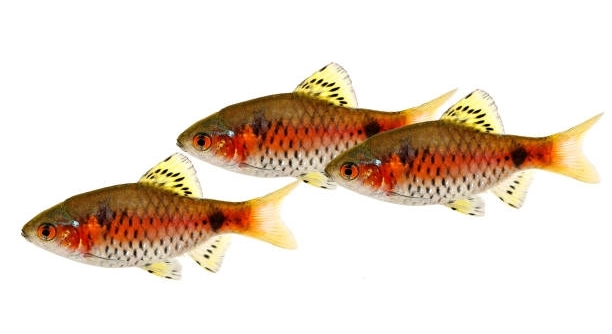
Rosy barbs are popular freshwater fish known for their lively behavior and bright colors. Many fishkeepers enjoy watching them interact in their tanks. Sometimes, their movements can look like fighting or just playful activity among friends.
Rosy barbs display distinct behaviors when fighting or playing: fighting involves chasing, nipping, and aggressive postures, while playing includes gentle chasing, short bursts of movement, and no damage to fins or scales.
Understanding these behaviors helps you create a peaceful environment for your fish and ensures their well-being.
Recognizing Rosy Barbs’ Playful Behavior
Rosy barbs often swim quickly around the tank, chasing each other in a way that looks energetic but not harmful. When they play, their movements are smooth, and they don’t lock fins or bite hard. You might see them darting away quickly and then coming back again, like they are inviting others to join. Their fins remain intact without tears or missing scales. Playful chasing usually lasts only a short time before they swim apart calmly. It’s common for them to show bright colors during these moments, signaling excitement rather than stress. Watching these behaviors closely helps to tell if your fish are just having fun or if tensions might rise later. They often swim together in groups, showing social interaction that strengthens their bond.
Playful activity is a good sign that your rosy barbs feel safe and comfortable in their tank environment.
When your rosy barbs are playing, they exhibit quick bursts of movement with no signs of injury or fear. This lively behavior is natural and healthy.
Identifying Aggressive Fighting in Rosy Barbs
Aggressive fighting in rosy barbs looks more intense and can cause visible damage. They may chase each other forcefully, biting fins and scales. You might notice torn fins, faded colors, or even bleeding spots. Fighting can cause fish to hide or appear stressed. These aggressive encounters often last longer than playful chases and involve repeated attacks on the same fish. Fighting usually starts when there is overcrowding or lack of hiding spots, causing stress in the tank. The more dominant fish will show stiff fins and raised scales to appear bigger. It’s important to watch for these signs early so you can separate or adjust tank conditions to reduce conflict and keep all your fish healthy and safe. Reducing stress by adding plants or decorations can help minimize fighting behavior.
Tips to Reduce Fighting Among Rosy Barbs
Providing enough space is key to reducing fighting. Overcrowded tanks increase stress and aggression among rosy barbs.
A tank size of at least 30 gallons for a small group is recommended. Adding plants, decorations, and hiding spots helps fish feel secure. This reduces tension and the chance of aggressive behavior. Keeping a proper male-to-female ratio also lowers competition, as too many males tend to fight more. Regular water changes and maintaining clean water improve fish health, which can decrease aggression.
Observing your fish regularly helps catch early signs of fighting. If aggression continues, consider separating the most aggressive fish or increasing tank size. Providing enough food and avoiding sudden changes in the environment also help keep your rosy barbs calm and peaceful.
How to Help Injured Rosy Barbs
If you notice injuries from fighting, prompt care is important. Quarantining the injured fish in a separate tank prevents further harm and speeds recovery.
Use clean water with gentle filtration to avoid stress during healing. Adding aquarium salt can help prevent infections and promote fin repair. Avoid strong treatments unless infection appears. Feeding high-quality food supports the immune system. Keep the injured fish away from aggressive tank mates until fully healed. Monitor water temperature and quality closely to create the best healing conditions. Patience is key, as fin regrowth and recovery take time. Regular checks will ensure your fish is getting better and not worsening.
Common Causes of Rosy Barb Aggression
Aggression in rosy barbs often starts from overcrowding or a lack of hiding spots. Stress from poor water quality can also increase fighting.
Mismatched groups, especially too many males, tend to fight more. Sudden changes in the tank environment may trigger aggressive behavior as well.
Observing Body Language to Understand Behavior
Watching rosy barbs’ body language helps identify if they are playing or fighting. When relaxed, their fins lie flat, and colors are bright. During fights, fins flare out, and scales may stand up to appear bigger. Aggressive fish chase or nip others repeatedly, while playful fish swim smoothly with quick but gentle movements. Understanding these signs helps manage tank harmony and reduce stress among your fish.
Adjusting Tank Setup to Promote Peace
Adding plants and decorations creates hiding spots. This helps reduce aggression by giving fish places to escape and feel safe.
Providing enough room and maintaining clean water also lowers stress, making fights less likely.
FAQ
How can I tell if rosy barbs are just playing or actually fighting?
Playful behavior usually involves gentle chasing with no damage to fins or scales. The fish swim quickly but calmly and return to normal activity after brief bursts. Fighting shows more aggressive chasing, biting, and visible damage such as torn fins or faded colors. Aggressive fish often display raised scales and flared fins, and the behavior lasts longer than play.
What causes rosy barbs to fight?
Fighting often results from overcrowded tanks, lack of hiding spots, and stress from poor water conditions. Too many males in the tank increase competition and aggression. Sudden changes in the environment or tank setup can also trigger fights. Maintaining proper tank size and adding decorations helps reduce conflicts.
How many rosy barbs should be kept together?
A group of at least six rosy barbs is best to spread out any aggression. Keeping them in a tank of 30 gallons or more allows enough space for swimming and hiding. A good balance of males and females helps reduce fighting, ideally with more females than males.
What can I do if rosy barbs keep fighting?
First, check tank conditions. Ensure the tank is large enough with plenty of plants or decorations for hiding. Reduce the number of males if needed. Perform regular water changes to keep water clean. If fighting continues, separate the most aggressive fish or increase the tank size.
How should I care for an injured rosy barb?
Move injured fish to a quarantine tank with clean, gently filtered water. Add aquarium salt to help prevent infections and promote healing. Feed nutritious food to support recovery. Keep the fish away from aggressive tank mates until healed. Monitor water temperature and quality closely.
Can fighting cause serious harm to rosy barbs?
Yes, repeated biting can cause torn fins, scale loss, and infections. Injuries can weaken fish and make them vulnerable to disease. Early intervention is important to prevent serious harm and help the fish heal fully.
Do rosy barbs always fight if kept in groups?
Not always. When given enough space, hiding spots, and a balanced group, rosy barbs often coexist peacefully. Playful chasing is common and healthy. Aggression happens mainly when conditions cause stress or competition.
What are signs of stress that lead to fighting?
Signs include dull colors, hiding, erratic swimming, and loss of appetite. Poor water quality, overcrowding, and lack of shelter contribute to stress. Addressing these factors can reduce aggression and improve fish health.
Is it normal for rosy barbs to nip each other?
Light nibbling can be normal during social interactions or play. However, constant or forceful nipping causing damage is a sign of aggression and should be addressed.
How can I prevent fighting before it starts?
Set up a spacious tank with plenty of plants and decorations. Keep a balanced number of males and females. Maintain clean water and stable conditions. Monitor fish behavior regularly to catch early signs of aggression.
Final Thoughts
Taking care of rosy barbs means understanding their behavior well. Knowing the difference between playing and fighting is important for their health and happiness. Playful chasing is a natural part of how they interact and stay active. When you see gentle chasing and no damage, it usually means your fish are enjoying themselves. This kind of behavior shows they feel safe and comfortable in their environment. Watching your fish closely helps you know when things are normal and when action might be needed.
Fighting, on the other hand, can cause real problems if not managed. Aggressive behavior can lead to injuries and stress for the fish involved. Signs like torn fins, faded colors, or repeated chasing should never be ignored. These signs tell you the fish are not getting along and may need help. Simple changes like adding more space, plants, or hiding spots can make a big difference. Sometimes separating the aggressive fish is necessary to protect the others. Keeping water clean and stable also reduces stress, making fighting less likely.
Overall, creating a peaceful tank for rosy barbs takes attention and care. Giving them enough space, hiding places, and a balanced group helps keep fights to a minimum. Regular observation of their behavior will guide you in making adjustments when needed. Remember, a calm and happy tank environment leads to healthier, more vibrant fish. Your care makes a difference in how well your rosy barbs live and interact every day.

Hello,
If you enjoy the content that we create, please consider saying a "Thank You!" by leaving a tip.
Every little bit helps us continue crafting quality advice that supports the health, happiness, and well-being of pets around the world, for pets of all shapes, sizes, and species.
We really appreciate the kindness and support that you show us!