
Do you ever find yourself drawn to colorful, active fish that bring life to your aquarium without being too difficult to care for?
Keeping Rosy Barbs offers several benefits, including their hardiness, social behavior, and vibrant colors, making them a popular choice for beginner and experienced aquarists alike. These fish are also known for their adaptability and peaceful nature.
From their playful swimming habits to their role in a balanced tank, there’s more to Rosy Barbs than just their good looks.
Rosy Barbs Are Easy to Care For
Rosy Barbs are a great choice if you’re looking for fish that don’t require constant attention. They adapt well to different tank setups and don’t need special care routines. As long as their water is clean and their tank is spacious enough, they tend to thrive. They can tolerate a range of temperatures and pH levels, which makes maintenance a bit easier for those who are still learning. These fish also eat a variety of foods, including flakes, pellets, and frozen treats, so feeding them isn’t complicated. With the right balance of space, food, and clean water, they stay active and healthy. If you’re not looking to constantly monitor your aquarium or worry about complex tank conditions, Rosy Barbs are a simple, reliable option. They allow you to enjoy having fish without needing expert knowledge or high-maintenance equipment.
Their low-maintenance nature makes them ideal for busy schedules or smaller home setups with basic filtration and lighting.
Even though they are easy to care for, it’s still important to provide them with enough swimming room and occasional tank checks. Weekly water changes and monitoring tankmates will help keep things peaceful and healthy. With just a little effort, they can stay vibrant and active for years.
They Add Color and Movement to Tanks
Rosy Barbs are known for their bright colors and playful energy, which bring a lot of life to any tank.
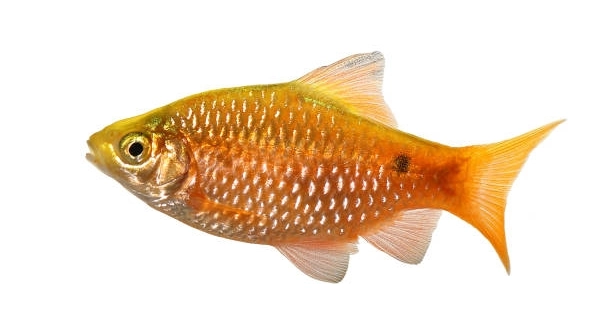
Their reddish-pink hue stands out in both planted and plain tanks, making them a visual highlight. The males often display deeper colors during breeding seasons, while females maintain a softer, golden tone. Their constant movement makes the aquarium feel more dynamic and lively, especially when kept in groups. Since they prefer to swim in schools, they tend to move together, creating a natural and interesting display. Unlike some fish that stay hidden or inactive, Rosy Barbs enjoy being in the open, darting around and exploring their environment. This behavior not only adds visual interest but also keeps the tank atmosphere more engaging. They get along well with other peaceful species, allowing for a colorful and harmonious community tank. Just be sure the tank is large enough to support their active lifestyle.
They Are Peaceful and Social
Rosy Barbs usually get along well with others and prefer to be in groups. They don’t act aggressive unless kept alone or in a tank that’s too small for them to move around freely.
Keeping them in a group of at least five helps reduce stress and encourages their natural behavior. When they’re comfortable, they swim together and interact in calm, playful ways. They do best with other peaceful fish of similar size, like danios or tetras. Avoid pairing them with slow-moving or long-finned fish, as Rosy Barbs are active and might nip fins out of curiosity. A peaceful tank with proper space keeps them happy and balanced. Their social nature makes them more enjoyable to watch, especially during feeding times or when they explore new parts of the tank. The more comfortable they feel, the more their personality shows.
If you’re creating a community tank, Rosy Barbs fit in well with other easygoing species. They help create a calm environment and rarely cause trouble if they have enough room. Watching a group of them swim together can be relaxing and even a little entertaining. Their peaceful attitude makes tank maintenance easier, and they don’t usually disrupt other fish or stir up trouble during feeding.
They Help Keep Tanks Clean
Rosy Barbs are active swimmers and naturally sift through substrate and plants while looking for food. This movement helps prevent waste from settling too long and encourages better water flow, especially in larger tanks.
While not official cleaners, their constant motion helps stir up debris so it can be caught by the filter. They often nibble on leftover food, helping reduce buildup and odor in the tank. Their behavior keeps things moving, which can make a small difference in maintaining overall cleanliness. While they don’t replace a proper cleaning routine, they do contribute to a more balanced environment. It’s especially noticeable in tanks where they’re part of a larger community. Their presence supports water quality between scheduled cleanings. Regular water changes and filter checks are still necessary, but their habits give you a small helping hand in daily maintenance. Just be sure not to overfeed, as uneaten food can still affect water quality.
They Are Fun to Watch
Rosy Barbs are always moving, which makes them interesting to observe throughout the day. Their quick turns, group swims, and playful chasing keep the tank feeling alive.
They often interact with each other, especially in groups. Watching them explore plants or follow each other around can be calming and enjoyable.
They Can Live With Plants
Rosy Barbs do well in planted tanks as long as you choose hardy plants. They may nibble soft leaves, but many plants like Java Fern, Anubias, and Amazon Swords hold up just fine. Their movement creates a natural current that benefits plant health and helps prevent debris from settling on leaves. A well-planted tank also gives them hiding spots and reduces stress. The combination of greenery and their bright colors makes the tank more appealing and closer to a natural setup. If plants are rooted firmly and trimmed regularly, Rosy Barbs will usually leave them alone. They seem to enjoy swimming in and out of leafy areas, which adds to the tank’s visual flow.
They Breed Easily
Rosy Barbs breed in captivity without much effort. A separate tank with soft water, warmer temperatures, and plants for egg laying usually works best.
FAQ
How big do Rosy Barbs get?
Rosy Barbs typically grow to about 2 to 3 inches in length. This size makes them manageable for most home aquariums, especially tanks that hold at least 20 gallons. Their size allows them to be active swimmers without needing extremely large spaces.
What tank size is best for Rosy Barbs?
A tank of 20 gallons or more is ideal for Rosy Barbs, especially since they prefer to be kept in groups of five or more. More space helps reduce aggression and lets them swim freely. A larger tank also supports a balanced ecosystem for both fish and plants.
What do Rosy Barbs eat?
They are omnivores and accept a variety of foods. Flake food, pellets, frozen or live foods like bloodworms and brine shrimp work well. Feeding them a varied diet helps keep their colors bright and supports their energy levels.
Are Rosy Barbs good with other fish?
Yes, they generally get along well with other peaceful species of similar size. However, they may nip fins if kept with long-finned or slow-moving fish. Suitable tankmates include danios, tetras, and other barbs.
Do Rosy Barbs need special water conditions?
They are quite adaptable and can tolerate a range of water conditions. Ideal temperature is between 64°F and 72°F, with a pH of 6.5 to 7.5. Stability is important, so regular water changes and monitoring are still needed to keep them healthy.
How often should I feed Rosy Barbs?
Feeding once or twice a day with amounts they can eat within 2 to 3 minutes is recommended. Overfeeding can lead to poor water quality and health problems, so portion control is important.
Can Rosy Barbs live alone?
It’s best to keep them in groups because they are social fish. Alone, they may become stressed or aggressive. Groups help them show natural behavior and reduce loneliness.
How do I encourage Rosy Barbs to breed?
To encourage breeding, provide a separate tank with soft, slightly warmer water around 75°F. Add plenty of fine-leaved plants or spawning mops where females can lay eggs. Feed them high-quality live foods to prepare them for spawning.
What should I do with the fry?
After eggs hatch, remove the adults or move the fry to a separate tank to protect them. Feed the fry very small foods like infusoria or finely crushed flakes. Keep water clean and stable for the best growth.
Are Rosy Barbs hardy fish?
Yes, they are known for their hardiness. They tolerate a wide range of conditions and are resistant to many common fish diseases when kept in good water quality.
How long do Rosy Barbs live?
With proper care, Rosy Barbs can live around 5 years. Good diet, clean water, and a stress-free environment contribute to a longer life span.
Do Rosy Barbs jump out of the tank?
They can jump occasionally, especially if startled or during feeding. It’s important to have a secure lid on the aquarium to prevent escapes.
Can Rosy Barbs live with plants?
Yes, they live well with hardy plants. They might nibble on some soft leaves but generally leave tougher plants alone. Plants help reduce stress and improve tank quality.
What common health issues affect Rosy Barbs?
Like many fish, they can suffer from ich, fin rot, or swim bladder issues if water quality is poor. Regular tank maintenance and proper feeding help prevent these problems.
How often should I clean the tank with Rosy Barbs?
A weekly partial water change of about 20-30% helps maintain water quality. Clean the substrate and check filters regularly but avoid disturbing the tank too much to keep the fish comfortable.
Do Rosy Barbs require special lighting?
No special lighting is needed. Moderate lighting that supports plants and shows off their colors works well. Too much light can encourage algae growth, so balance is key.
Rosy Barbs are a great choice for many aquarium owners because they combine beauty, activity, and ease of care. Their bright colors and lively swimming patterns add interest to any tank without requiring complicated maintenance. For people who want fish that are hardy and adaptable, Rosy Barbs fit the bill well. They tolerate a range of water conditions and accept many types of food, which makes them a good fit for beginners as well as more experienced hobbyists. Because they are social and peaceful, keeping them in groups not only helps their well-being but also creates a calm, attractive tank environment. Their active behavior can make watching the aquarium a relaxing and enjoyable experience.
Another advantage of Rosy Barbs is their compatibility with a variety of other fish and plants. They can live comfortably alongside other peaceful species, which makes it easier to build a diverse community tank. Their moderate size means they do not overpower smaller fish but still have enough presence to be noticed. While they might nibble on soft plants sometimes, choosing hardy species that can withstand their activity helps maintain a balanced tank. The presence of plants also benefits the Rosy Barbs by giving them places to hide and feel secure, reducing stress and encouraging natural behavior. This combination of social fish and plants makes the aquarium feel more natural and pleasant.
Caring for Rosy Barbs requires regular but simple maintenance. Keeping the water clean and stable through weekly partial water changes and checking the filter ensures their health. Feeding them a balanced diet and monitoring their behavior helps spot any issues early on. Their hardy nature means they rarely get sick if basic care is followed. For those interested in breeding, they can be encouraged to spawn without too much difficulty, which adds another level of interest to the hobby. Overall, Rosy Barbs are a solid choice for anyone looking to enjoy a colorful, lively, and peaceful addition to their aquarium without a steep learning curve.

Hello,
If you enjoy the content that we create, please consider saying a "Thank You!" by leaving a tip.
Every little bit helps us continue crafting quality advice that supports the health, happiness, and well-being of pets around the world, for pets of all shapes, sizes, and species.
We really appreciate the kindness and support that you show us!